The world needs AI guardrails. Trump and Xi must now deliver them
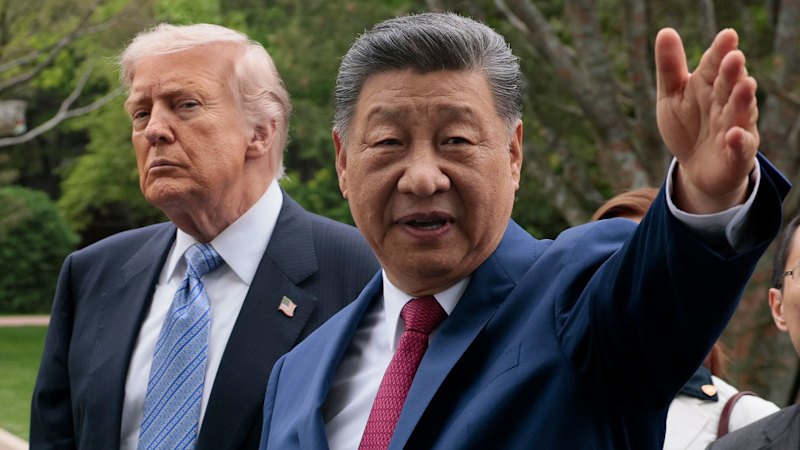
Their meeting in Washington is a golden opportunity for the two leaders to make real progress towards an AI risk reduction framework.
A group of influential figures in the field of artificial intelligence have sounded the alarm, warning that humanity must take immediate action to regulate the rapid development of AI technology before it's too late. Dario Amodei, the CEO of Anthropic, which created the Claude chatbot, published a lengthy essay urging the world to slow down the pace of AI development due to the increasing risks it poses to humanity.
Other prominent names in the industry, such as Elon Musk, Sam Altman, and Demis Hassabis, have also expressed support for a temporary slowdown in AI innovation, albeit with reservations. Just a few days ago, an Anthropic researcher named Jacob Coxon resigned, citing grave safety concerns and warning that there is a more than 10% chance that the technology could lead to the extinction of humans.
He emphasized the need to "not underestimate the power of this technology," as these advanced systems are expected to gain superhuman capabilities, disrupting various fields and accumulating significant power and resources. The individuals behind AI development are genuinely concerned about the potential consequences, as the technology evolves at an astonishing rate.
Written by urgent.news from The Korea Times's reporting — not their text. Machine-written — may contain errors; check the original before relying on it.
This story
This is one outlet's version. Read the fullest account.