The EU Wants to Break Up Kids and Their Chatbots
ChatGPT, Character.ai, and Snapchat’s My AI will all be in the crosshairs as the AI Kids Act aims to strip minor-facing chatbots of all the things that make people love them.
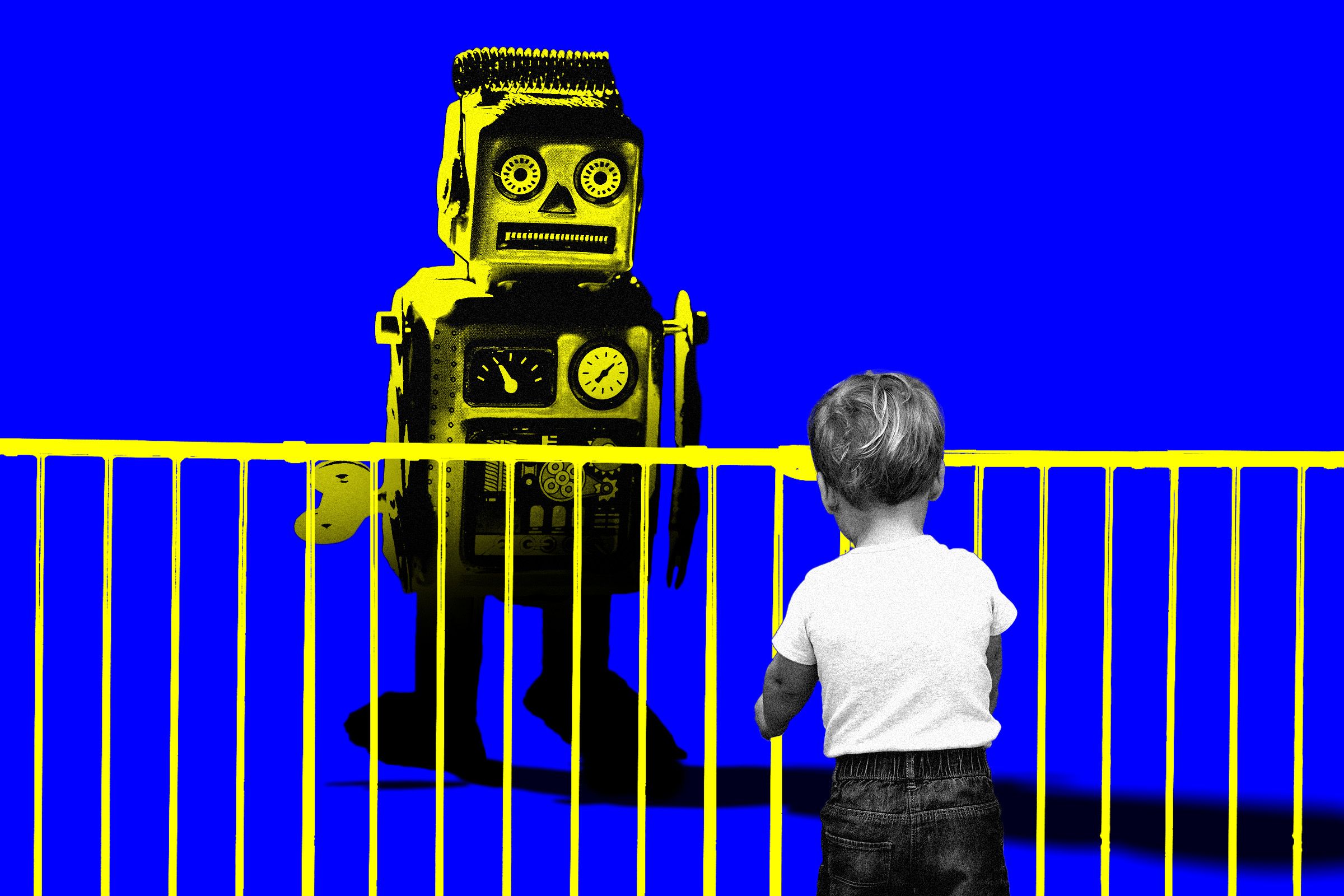
The European Union plans to introduce regulations targeting children's interactions with chatbots, as outlined in the EU Kids Act. This legislation, proposed on Thursday, aims to restrict minors under 13 from using chatbots without parental consent, with digital platforms facing fines of up to 6% of their global turnover if they fail to implement child safety measures, according to a WIRED report.
AI chatbots operating within the EU will be prohibited from retaining memories of conversations across multiple sessions due to concerns about the potential accumulation of sensitive data from minors. Providers of social networking sites, video-sharing platforms, and games are required not to automatically activate or promote AI chatbots on their services, including not placing chatbots at the top of a minor's contact list, as previously done by Snapchat.
The EU's focus on these regulations is primarily aimed at protecting minors from potential mental health issues, risky behaviors, and addiction. The proposed law stipulates that chatbots providing minors with dangerous advice, such as mental health guidance or personal development tips, will also be restricted. A survey by Ipsos BVA found that approximately half of Europeans aged 11 to 25 have discussed intimate or personal matters with AI chatbots.
The European Commission has expressed worry over the potential negative impact of chatbots on children's development and human relationships. Additionally, the regulation aims to tackle the issue of deepfakes generated by chatbots, which pose further risks to minors. President Ursula von der Leyen emphasized the link between digital distraction and a decline in basic skills among young people, noting that children who use AI chatbots for schoolwork tend to achieve lower test scores compared to those who don't.
While the EU AI Act has mandated labeling of synthetic content as AI-generated since August, current rules only apply to deepfakes created for commercial purposes. Concerns about the cognitive impacts and diminishing of essential skills among young people have led researchers from the independent network EU Kids Online to call for a more rights-based approach to the design of generative AI tools.
Written by urgent.news from Wired's reporting — not their text. Machine-written — may contain errors; check the original before relying on it.