The ‘Cloud’ Has an Address: Data Centers Put Water, Electricity and Land at the Center of the Debate in Rio de Janeiro
Clique aqui para Português This article is part of our series reflecting on the impacts of mega-events on Rio de Janeiro 10 years after the 2016 Olympic Games. As the Rio AI City project, a data [...]
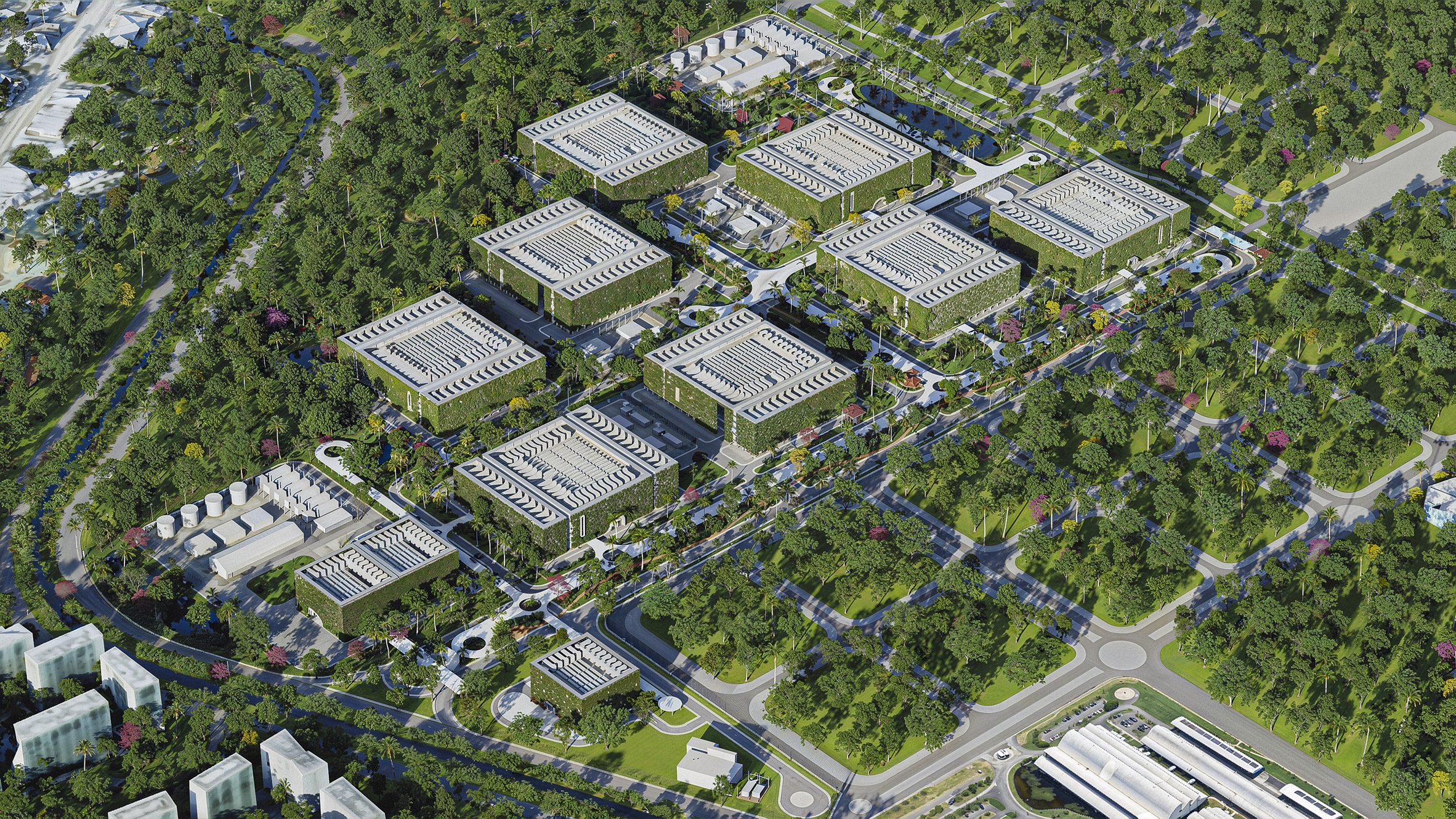
In Rio de Janeiro, the debate surrounding the construction of the world's largest data center complex, Rio AI City, has taken center stage. This project, touted as a "sustainable AI district," is expected to generate 1.5 GW of energy and employ waterless cooling systems. However, questions have arisen about the potential strain on the city's resources, particularly water and electricity, for such a massive infrastructure.
A recent roundtable discussion held at the Federal University of the State of Rio de Janeiro (UniRio) in Botafogo aimed to shed light on the broader implications of data centers on Brazil's water security. The event, moderated by João Roberto Lopes Pinto, brought together experts Maria das Graças, Fabrina Furtado, and Sandra Quintela to examine the often-overlooked aspects of these digital infrastructure projects.
Das Graças, from UniRio's ECOPOL group, emphasized that the cloud, a global network of servers storing and processing data, is not an ethereal concept but a physical reality. She compared data centers to "digital factory floors," highlighting their continuous operation and the constant need for heat dissipation. She argued that the state's policies have created incentives for these projects but questioned the accompanying social compensation measures and environmental safeguards.
Furtado, a UFRRJ professor, stressed that the impact of data centers extends beyond their direct water consumption. She pointed out that the production of electricity, equipment, minerals, and the construction and maintenance of these facilities also consume significant resources. She cautioned against relying solely on labels like "green" or "sustainable" without considering the sourcing of resources and the potential territorial conflicts in their construction.
Quintela, an economist, broadened the discussion to include the socioeconomic impacts of these projects on local communities. She cited the example of the Pecém Data Center in Ceará, a ByteDance project, which is facing scrutiny from Brazil's Federal Public Prosecutor's Office and Federal Public Defender's Office for environmental licensing weaknesses and concerns over water, electricity supply, and indigenous rights.
The panelists agreed that large-scale data center projects do not appear in "empty areas" but rather in locations where communities, ways of life, and existing infrastructure are already present. They highlighted the need for a more holistic approach to the planning and operation of these facilities, taking into account the social, environmental, and territorial impacts on the communities surrounding them.
Written by urgent.news from RioOnWatch's reporting — not their text. Machine-written — may contain errors; check the original before relying on it.