Stop sending children to MoMo vendors with your MoMo PINs – Financial Expert warns parents
By Love Wilhelmina Abanonave A financial expert has warned parents to desist from sending children to Mobile Money (MoMo) vendors with their Personal Identification Numbers (PINs) to undertake transactions on their behalf. The Managing Director of Built Financial Technologies Limited, Restus Numadze, says the practice exposes account holders to fraud and compromises the safety of […]
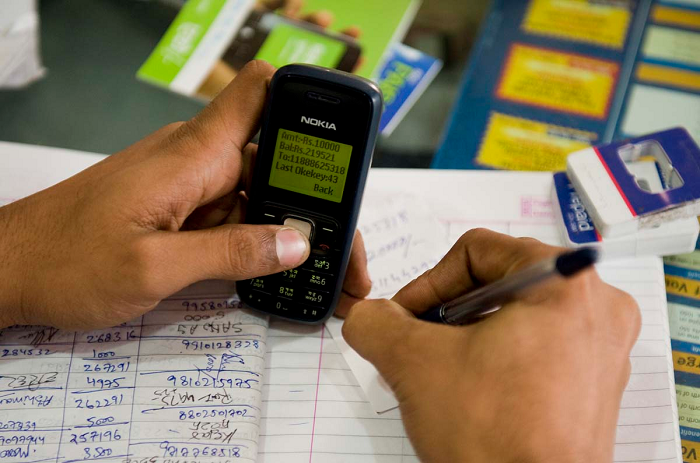
A financial expert has cautioned parents against entrusting their children with MoMo PINs for transactions, as this practice leaves account holders susceptible to fraud and jeopardizes digital security. Restus Numadze, Managing Director of Built Financial Technologies Limited, highlighted the dangers of sharing MoMo PINs, even with trusted individuals or service providers, during an interview on the GTV Breakfast Show.
He recounted a recent incident where a vendor had received a son with the MoMo password written down, calling it a grave error. Numadze emphasized that many instances of MoMo fraud arise from careless handling of PINs and other confidential account information. He explained that when children are present with PINs, they frequently announce them in public or the vendors acquire access to the PINs, which can be exploited to defraud the account holder.
The expert urged the public to embrace more secure digital financial practices, such as keeping PINs confidential, periodically changing them, and utilizing official MoMo applications for transactions rather than relying on intermediaries. Additionally, Numadze called for enhanced public awareness on digital financial literacy, particularly among parents and guardians, to mitigate the increasing cases of mobile money fraud in the country.
He also advised parents to educate their children about financial safety and the necessity of safeguarding personal information, both online and offline.
Written by urgent.news from GBC Ghana's reporting — not their text. Machine-written — may contain errors; check the original before relying on it.