South Tyrol’s Bunkers Shoulder WWII History in Vincenzo Pagliuca’s Portraits
The photographer explores unexpected architecture in the Italian Alps. Do stories and artists like this matter to you? Become a Colossal Member today and support independent arts publishing for as little as $7 per month. The article South Tyrol’s Bunkers Shoulder WWII History in Vincenzo Pagliuca’s Portraits appeared first on Colossal .
Italy's South Tyrol province, situated between Switzerland and Austria amidst the Alps, retains a distinct character as a border region due to its varied regional influences. The region was annexed by Italy in 1919, following its previous existence as part of the Austro-Hungarian Empire. The local populace predominantly speaks German, with cultural traditions and ancestry deeply rooted in Austrian customs.
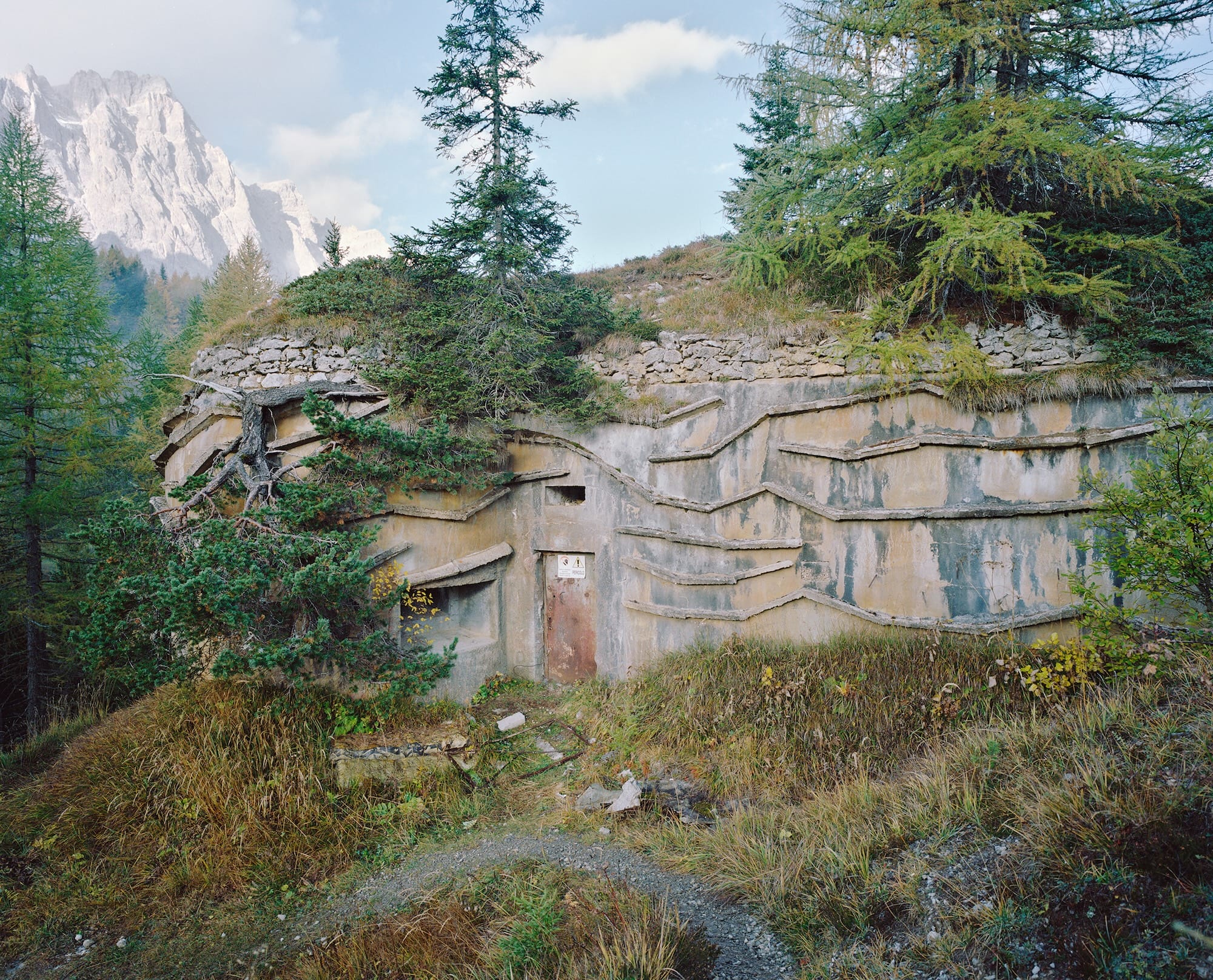
During World War II, the Fascist Italian regime erected a network of fortifications along the northern border, a presence that endured until 1993. Photographer Vincenzo Pagliuca captured these engineered structures in a compelling series called Bunker, which was published by Hartmann Books.
Pagliuca's Bunker project features a range of concrete bunkers, characterized by their distinct dome-like forms and massive walls. Some of these structures ingeniously incorporate pre-existing stone, seamlessly carved into the mountainous terrain and fortified with additional barriers. As time has passed, these once-engineered spaces have gradually transformed, with grasses overtaking the roofs, shrubs sprouting nearby, and exteriors that were initially designed to blend with the surroundings now showcasing a surreal, almost whimsical aesthetic akin to the works of Gaudí.
Pagliuca's fascination with northern Italian architecture, such as in his Mónos project which celebrates the unique vernacular of small Apennine dwellings, has led him to explore the significance of these specific bunkers in relation to their isolated and elevated locations. These structures, with their imposing solidity and stark contrast to the verdant Alpine meadows and towering snow-capped peaks, serve as a poignant testament to the extreme measures taken in the name of nationalism.
The bunkers, photographed without any human presence, stand as enduring reminders of the tumultuous history of Central Europe, a history driven by nationalist ideology and the inability to resolve conflicts through peaceful means. As the publisher states, these structures symbolize a "difficult legacy," a relic of an era thought to be long gone but resurfacing in the form of these haunting, yet intriguing, portraits.
Pagliuca's Bunker series can be found in hardcover through Hartmann Books, and additional insights into the artist's work can be found on his Instagram page. For those interested in acquiring a physical copy of this thought-provoking collection, the publisher's shop is a recommended resource.
Written by urgent.news from Colossal's reporting — not their text. Machine-written — may contain errors; check the original before relying on it.