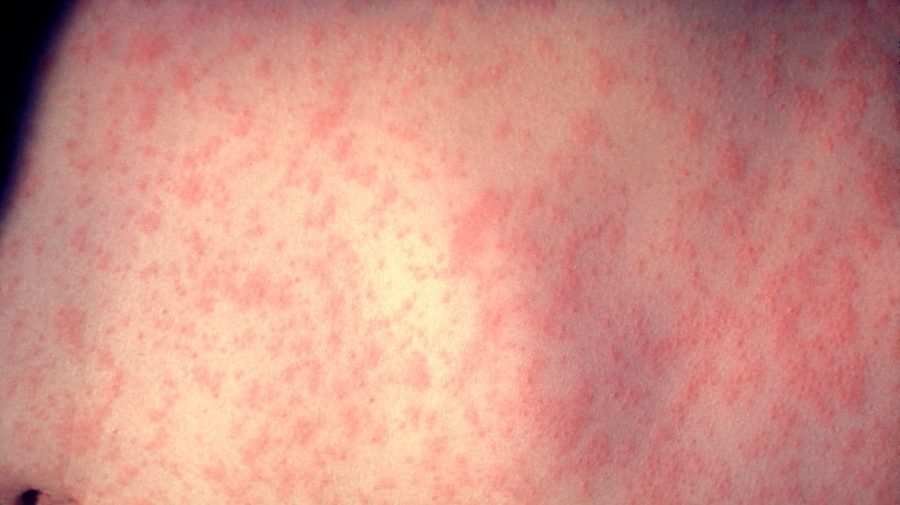
Separating the measles, mumps and rubella vaccine could decrease access for Colorado parents
Parents concerned about vaccine overload may not get the outcome they expect from Trump’s recent vaccine executive order.
Colorado families often seek flexibility in deciding when to vaccinate their children. Some parents express concerns about the safety and timing of multiple vaccines given at once. As a sociologist who has studied this issue, I interviewed numerous Colorado parents, pediatricians, researchers, and policymakers, and observed various vaccine-related events. These parents value the autonomy to make decisions based on their children's unique needs, sometimes choosing to space out or skip certain vaccines.
President Donald Trump's August 2026 executive order aimed to allow the separate administration of measles, mumps, and rubella vaccine components, ostensibly to increase flexibility. However, the order is more of a symbolic gesture than a practical solution. The executive order is not enforceable and lacks a solid scientific foundation, as giving vaccines separately has not been proven to be safer.
The CDC recommends a single combined MMR vaccine, given in two doses. Research has shown that the combination vaccine is as effective as separate shots. Separating the MMR vaccine into individual components has no documented benefits and could potentially lower the immune response.
Parents who want to tailor a vaccine schedule for their children often face practical limitations. There has been no production of separate MMR vaccines in the U.S. since 2008. The two remaining manufacturers, Merck and GSK, lack incentives to develop this change as MMR vaccines have a long safety record and are not patented. The shortage of many medications makes it unlikely that separate MMR vaccines would be prioritized.
Additionally, pediatricians face challenges in stocking, estimating demand, and managing storage for multiple vaccines, which could make the process more complicated and expensive.
Written by urgent.news from The Conversation's reporting — not their text. Machine-written — may contain errors; check the original before relying on it.