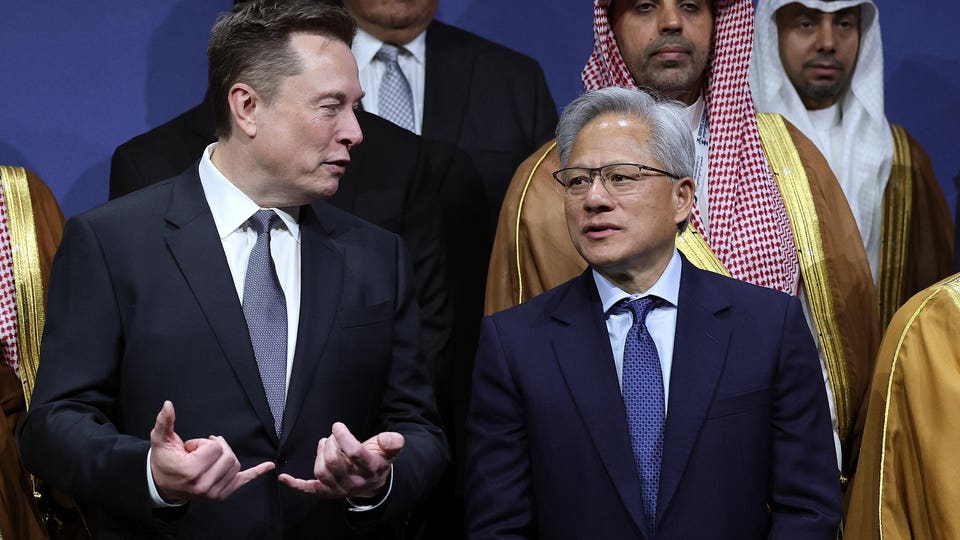
Senators sought to add AI antitrust exemption to defense bill
The effort has taken on new significance as debate over AI safety rages in Washington.
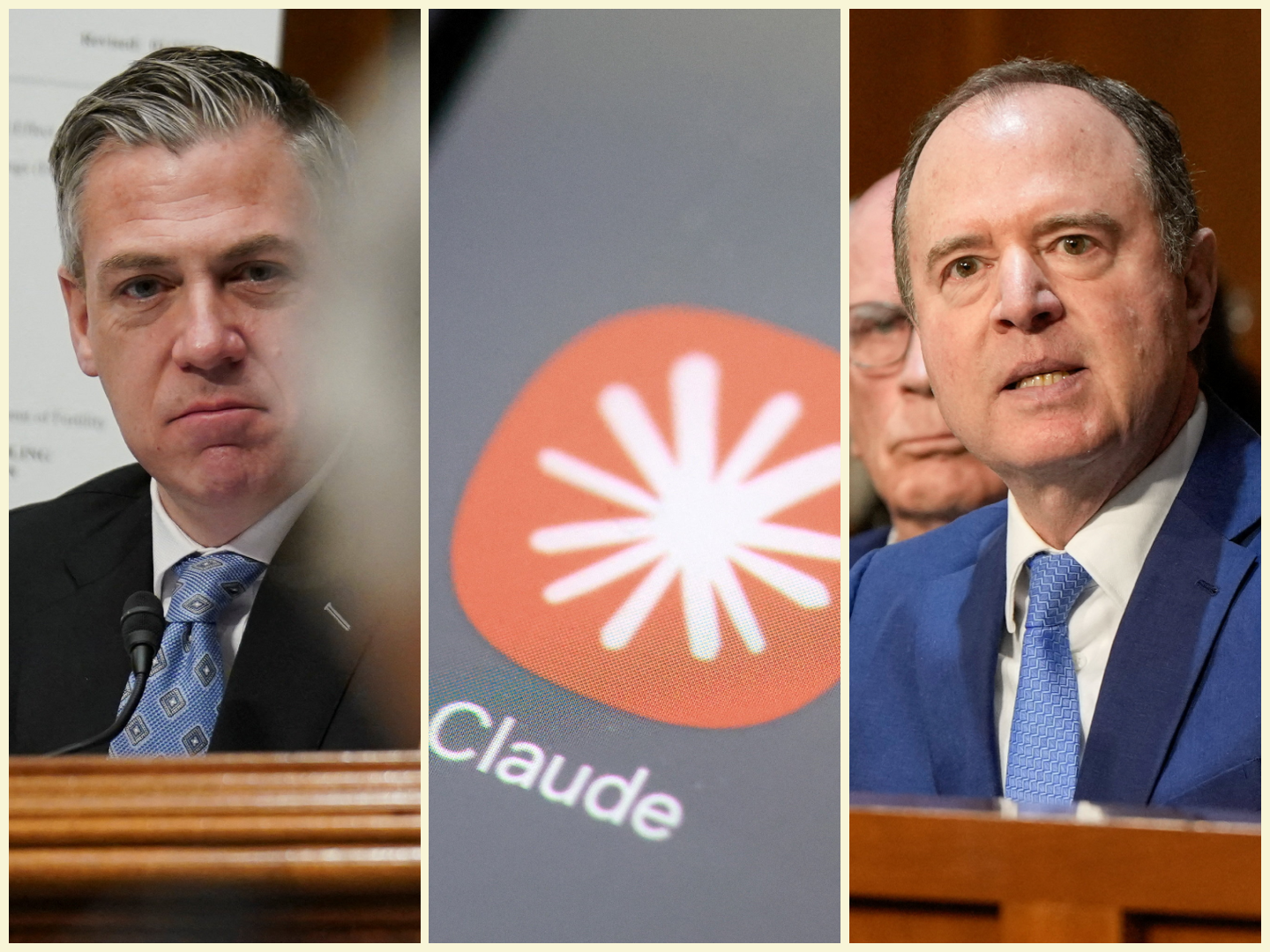
A group of senators attempted to include a provision granting artificial intelligence companies a limited antitrust exemption in a defense bill earlier this year. The proposal, put forth by Senators Jim Banks and Adam Schiff, aimed to allow AI firms to share intelligence and coordinate defenses against Chinese espionage and the development of AI models.
The senators believed this exemption would address other risks to advanced systems, such as cybersecurity incidents. However, Senate Democrats opposed the annual bill in the summer due to their dissatisfaction with President Donald Trump's handling of the Iran war. The effort to add the AI antitrust exemption to the defense bill has resurfaced, as AI companies, such as Anthropic's Dario Amodei, now advocate for a different type of exemption allowing them to coordinate on the pace of technological development.
Critics of this idea include former AI adviser to the Trump administration, David Sacks, who stated that companies have a responsibility to ensure their products are safe and should not be granted waivers or liability protections. The proposal from Banks and Schiff is more narrow in scope, focusing on Chinese espionage and distillation, as well as coordinating responses to risks involving loss of operational control over advanced AI systems.
The broader concerns over AI safety, along with potential opposition from the White House, remain unclear and may impact the fate of this provision if it passes the Senate. The defense bill would then need to be reconciled with the House's version before it can be sent to President Trump for his approval. Not all within the AI industry support the broader carveout, with OpenAI's chief global affairs officer, Chris Lehane, arguing that an exemption for labs to coordinate on pacing was unnecessary.
Google's vice president of government affairs and public policy, John Connell, stated that the proposed bill would provide the AI industry with clear rules for sharing threat intelligence and collaborating on necessary standards and benchmarks.
Written by urgent.news from Semafor's reporting — not their text. Machine-written — may contain errors; check the original before relying on it.