Seminar calls for de-escalation around Strait of Hormuz
<p>Doha, Qatar: A seminar hosted by the Qatar Press Center (QPC) has stressed the need for sustained diplomatic efforts to contain tensions around the Strait of Hormuz, warning that prolonged disruption to maritime traffic could trigger far-reaching consequences for global energy markets, food security and regional stability.</p> <p>The seminar, titled “The Strait of Hormuz Crisis: Challenges and…
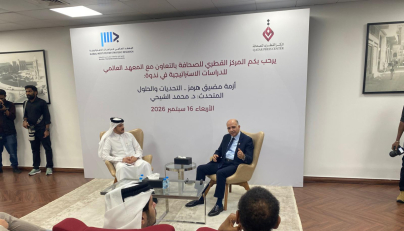
Doha, Qatar: A Qatar Press Center seminar highlighted the urgent need for diplomatic measures to alleviate tensions surrounding the Strait of Hormuz, warning that extended disruptions to maritime trade could provoke severe repercussions for global energy markets, food supplies, and regional peace. The event, titled "The Strait of Hormuz Crisis: Challenges and Solutions," featured Dr. Mohamed Ali Chihi, Executive Director of the Global Institute for Strategic Research, and was moderated by Tariq Al Ajji of Qatar TV. GISR is affiliated with Hamad Bin Khalifa University.
Experts emphasized the strait's pivotal role in global energy distribution, noting that roughly 20 percent of the world's energy supplies transit through the waterway. Any obstruction would impact shipping, industry, agriculture, and the importation of vital goods. Iran utilizes the strait as a potent leverage tool, as even partial blockages can inflict far-reaching consequences beyond the region. The narrow geography, coupled with emerging technologies like drones and unmanned vessels, heightens the risk of disruption.
While Iran's leverage is constrained, a full blockade would devastate its economy, particularly given most of its oil and gas reserves are in the southern region and rely on maritime exports. Iran is already grappling with economic and social challenges, making a prolonged conflict potentially self-defeating. The seminar underscored the broader economic fallout, citing potential spikes in oil prices, increased transportation and insurance expenses, strain on industries, and heightened food insecurity, especially in lower-income nations.
The speaker suggested neither the United States nor Iran desires a prolonged war, but the situation could evolve into a state of "neither war nor peace," marked by sporadic attacks, economic coercion, indirect confrontations, and intermittent negotiations. The nuclear issue no longer dominates the conflict; missile capabilities, drones, regional alliances, and maritime security have gained prominence, complicating the path to a comprehensive resolution.
Dr. Chihi stressed the necessity for Gulf countries to enhance cooperation, establish a regional maritime code of conduct, and bolster their defense industries while maintaining dialogue with Iran, leveraging Doha's diplomatic experience to de-escalate tensions.
Written by urgent.news from The Peninsula Qatar's reporting — not their text. Machine-written — may contain errors; check the original before relying on it.
Also reported by 3 other outlets
- South Korea foreign minister says no decision made on Hormuz Strait military deployment middleeasteye.net
- Instability in Red Sea: Crisis Spreads to Alternative Route to Strait of Hormuz japannews.yomiuri.co.jp
- South Korea says U.S. investment deal delayed, parliament briefing may be held next week japantimes.co.jp