SEC unveils exemption for tokenized stock trading
The Securities and Exchange Commission (SEC) unveiled its long-awaited “innovation exemption” Thursday, a new order aimed at clearing the way for tokenized stock trading in the U.S. The order creates a pair of five-year exemptions. The first exempts platforms that host tokenized stock trading from the commission’s definition of an exchange, while the second exempts...
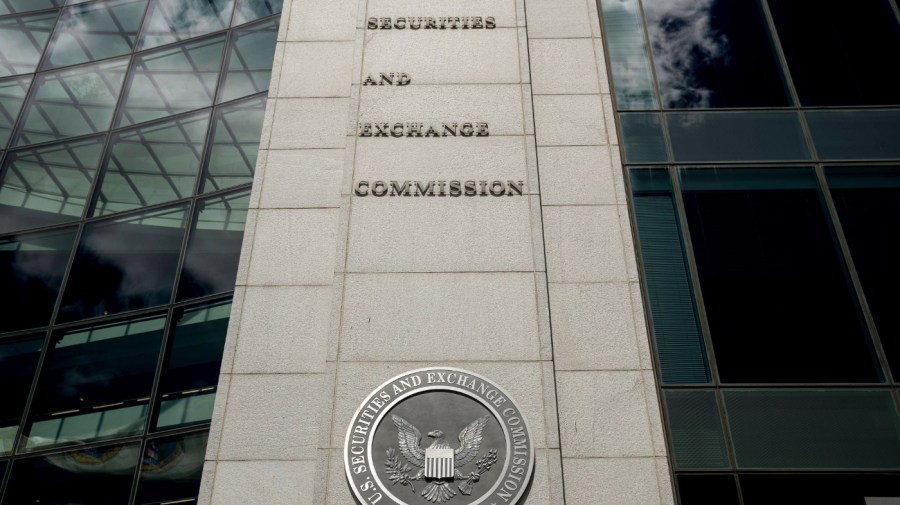
On September 17, the U.S. Securities and Exchange Commission introduced a five-year exemption that will permit companies to offer trading in blockchain-based or tokenized stocks and securities, marking a significant step toward integrating digital assets into traditional markets. This exemption, known as the Innovation Exemption, allows platforms facilitating tokenized stock trading to operate with reduced regulatory burdens while maintaining investor protections and market integrity standards, according to SEC Chair Paul Atkins.
Platforms offering tokenized stocks will be required to notify companies before listing the tokenized versions of their stocks and will not be permitted to offer those products if the issuer objects. Liquidity providers in tokenized stocks will also receive a five-year exemption from dealer registration requirements. However, synthetic tokens offering exposure to a stock via derivatives or other products would not be permitted under this exemption.
The crypto industry argues that tokenizing securities could revolutionize markets by enabling 24/7 trading and instant settlements, thereby boosting liquidity and reducing transaction costs. Such tokenized stocks could also facilitate investor self-custody and fractional ownership of shares, as highlighted by the SEC. This exemption is seen as necessary because platforms offering tokenized stocks may find it challenging to comply with federal securities laws without making substantial changes to their business models.
The Innovation Exemption is part of a broader SEC crypto policy shift under President Donald Trump, who had previously advocated for a less restrictive approach to the cryptocurrency industry. Several prominent crypto players, including Coinbase, have expressed plans to launch tokenized stocks in the United States once the rules come into effect. Meanwhile, Robinhood, Kraken, and other crypto exchanges have already been offering tokenized stocks overseas.
While tokenized stock products overseas often resemble traditional stocks, they typically do not offer the same rights, disclosures, and protections as conventional equities. However, under the SEC's exemption, tokenized stocks must provide the same rights and privileges as traditional securities, including the right to receive dividends and exercise voting rights. The SEC emphasizes that these tokenized stocks must comply with federal securities laws, ensuring investor protections and market integrity.
Written by urgent.news from CNA - Business's reporting — not their text. Machine-written — may contain errors; check the original before relying on it.
This story
This is one outlet's version. Read the fullest account.
- SEC Issues “Innovation Exemption” to Facilitate the Trading of Tokenized NMS Stock and Request for Comment sec.gov
- US securities regulator rolls out five-year exemption for tokenised stock trading gulf-times.com
- SEC issued a rule carving out a path for tokenized stock trading on blockchain qz.com
- SEC grants temporary exemption for tokenized US stock trading cointelegraph.com
- It’s here — SEC releases long-awaited innovation exemption to ‘bring America’s capital markets into the digital age’ theblock.co
- The US SEC unveils a five-year "Innovation Exemption" to free platforms that facilitate blockchain and tokenized stock trading from many stock exchange rules (Hannah Lang/Reuters) reuters.com
- US securities regulator rolls out five-year exemption for tokenized stock trading investing.com
- US securities regulator rolls out five-year exemption for tokenized stock trading channelnewsasia.com