RBI Drains Surplus Cash from Banks with ₹50,000 Crore Open Market Securities Sale
Mumbai: The Reserve Bank of India accepted bids worth ₹50,000 crore in the first tranche of its open market operation sale of government securities, stepping up efforts to withdraw surplus liquidity from the banking system. The central bank accepted ₹7,005 crore of 7.59% government securities maturing in 2029 at a cut-off yield of 6.6007%. It also accepted ₹7,255 crore of the 6.79% GS 2029 at…
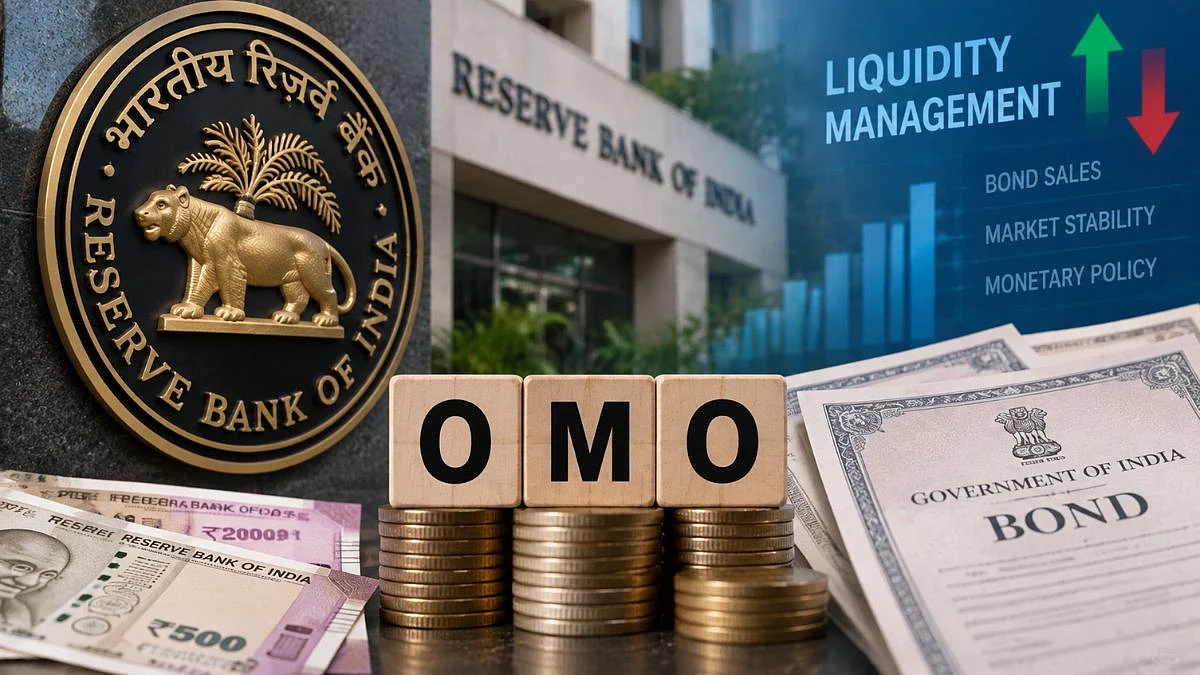
Mumbai: The Reserve Bank of India (RBI) successfully sold various government securities worth ₹50,000 crore in its initial open market operation (OMO) tranche, aiming to reduce excess liquidity within the banking sector. The central bank accepted bids for various securities, including 7.59% and 6.79% government securities maturing in 2029, as well as 7.61% and 5.77% government securities maturing in 2030.
Additionally, the RBI accepted ₹3,250 crore in the 6.68% government securities maturing in 2031, with the highest acceptance being ₹18,840 crore for the 8.28% government securities maturing in 2032.
As of September 16, RBI data estimated that the banking system had a liquidity surplus of around ₹7.38 lakh crore. The central bank's OMO sale aims to address this surplus and control short-term interest rates. By purchasing government bonds from banks and other investors, the RBI removes rupee funds from the financial system, thereby managing excess cash and maintaining stable interest rates.
The RBI has announced a total of ₹1 lakh crore across three OMO tranches, with the subsequent sales scheduled for September 21 and September 28, each totaling ₹25,000 crore. The banking system's liquidity surge can be attributed to strong foreign currency non-resident (FCNR(B)) deposits, overseas currency brought into the country, and month-end government spending, such as salary and pension payments.
The planned OMO sales are expected to moderate this liquidity surplus and enhance the effectiveness of monetary policy transmission across financial markets.
Written by urgent.news from Free Press Journal's reporting — not their text. Machine-written — may contain errors; check the original before relying on it.