RBA's Bullock: At August board meeting, risks to outlook were skewed to the upside
Reserve Bank of Australia (RBA) Governor Michele Bullock said on Friday that risks to outlook were skewed to the upside at August board meeting.
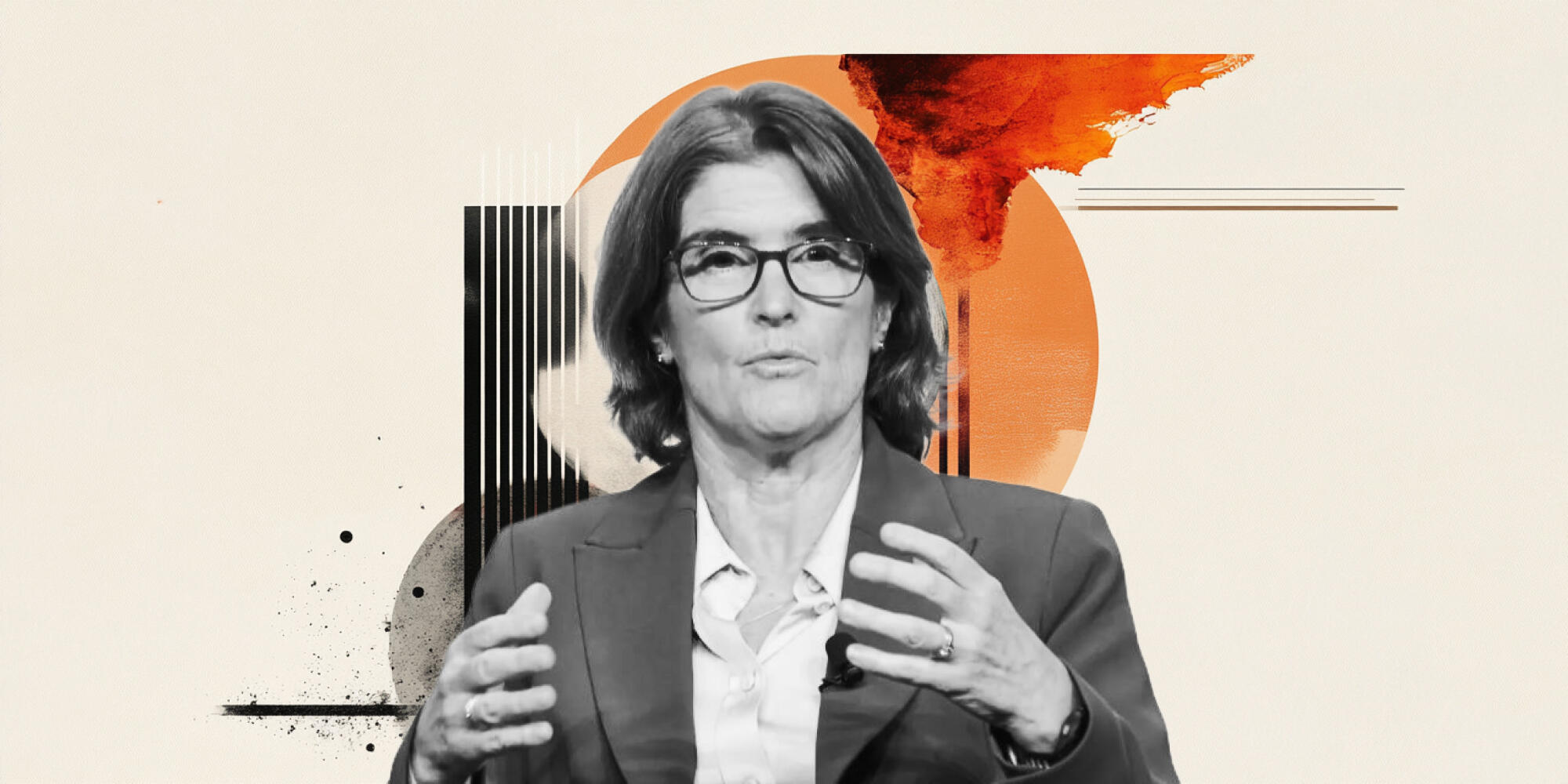
RBA Governor Michele Bullock informed the board meeting in August that risks to the economic outlook were more likely to increase rather than decrease. Labor market conditions were close to, but not quite at, full employment, according to various indicators. Despite a slowdown in economic growth, there were signs that some inflation pressures were becoming more pronounced.
Businesses were reportedly passing on higher input costs to consumers. The housing market showed signs of weakening, with an easing that was more significant than anticipated. This could potentially impact overall economic activity. The main concern is whether the existing monetary tightening measures will be sufficient to bring inflation back to its target range within a reasonable timeframe.
The RBA's primary focus is on maintaining price stability, aiming for an inflation rate of 2-3%, while also supporting full employment and economic prosperity. The AUD/USD exchange rate was up 0.37% by the time of writing, trading at 0.7113. The Reserve Bank of Australia, through its board of governors, meets 11 times a year and can hold emergency meetings as needed.
The RBA's main objective is to maintain price stability, which refers to an inflation rate between 2-3%, and also to contribute to currency stability, full employment, and overall economic welfare. To achieve this, the RBA uses interest rate adjustments as its primary tool. Higher interest rates can strengthen the Australian Dollar, while lower rates can weaken it.
In recent times, a moderate increase in inflation has led central banks to raise interest rates, attracting more global investment and increasing demand for the local currency. Macroeconomic data, such as GDP, manufacturing and services PMIs, employment numbers, and consumer sentiment surveys, can influence the value of the Australian Dollar.
A robust economy may prompt the RBA to raise interest rates, further supporting the AUD. Quantitative Easing, a tool used in extreme situations, involves the RBA printing money to buy assets, typically government or corporate bonds, providing liquidity to financial institutions. QE generally results in a weaker AUD. Quantitative Tightening, on the other hand, occurs when the RBA stops buying assets, signaling a shift towards a stronger AUD.
Lallalit Srijandorn, a Parisian living in Paris and Bangkok, noted the recent recovery in the AUD/USD exchange rate. The Federal Reserve increased its Fed Fund Target Range by 25 basis points to 3.75%-4.00%, aiming to support a quicker return to its 2% inflation target. Meanwhile, Japan's ultra-low interest rates have made the Yen one of the cheapest sources of global funding, potentially altering its future role in the international financial system.
Written by urgent.news from FXStreet's reporting — not their text. Machine-written — may contain errors; check the original before relying on it.