PM Narendra Modi's 76th Birthday: 10 Flagship Schemes That Changed Lives, & The Gaps That Remain
Over the past decade, successive Narendra Modi governments have launched and expanded a range of flagship schemes aimed at improving financial inclusion, sanitation, housing, healthcare, cooking fuel access, agriculture, drinking water and manufacturing. Many of these programmes have reached millions of households, while their implementation has also exposed gaps between coverage, access and…
On Prime Minister Narendra Modi's 76th birthday, a look back at 10 major flagship schemes and initiatives from his governments reveal significant achievements and lingering gaps in implementation.
The Pradhan Mantri Jan Dhan Yojana, initiated in 2014, aimed to bring the unbanked into the formal financial system through basic bank accounts, insurance, pensions and credit access. By 2019, the scheme had created over 40 million accounts, facilitating direct government benefit transfers to beneficiaries. However, simply opening an account does not guarantee meaningful financial inclusion, as active use for savings, credit and insurance services remains a challenge for many.
The Swachh Bharat Mission, launched in 2014, focused on sanitation and toilet construction nationwide. Achievements included constructing more than 12 crore household toilets and increasing rural sanitation coverage to 100% by 2019. Despite these milestones, open defecation still persists in some regions, highlighting the need to address behavioral change and sanitation infrastructure maintenance.
India's Make In India initiative, introduced in 2014, aimed to bolster manufacturing and attract investment. The strategy resulted in significant expansion in sectors such as electronics and mobile-phone manufacturing, with cumulative investment exceeding ₹2.16 lakh crore by December 2025. However, uneven progress across sectors and the need for deeper localisation of components remains an ongoing policy focus.
The Digital India programme, launched in 2015, sought to enhance digital infrastructure and government service accessibility through technology. The programme's impact extended beyond government websites, with UPI transactions reaching ₹23.25 lakh crore by December 2024. Despite this progress, digital access challenges persist due to connectivity, literacy and affordability issues, particularly among less tech-savvy segments of the population.
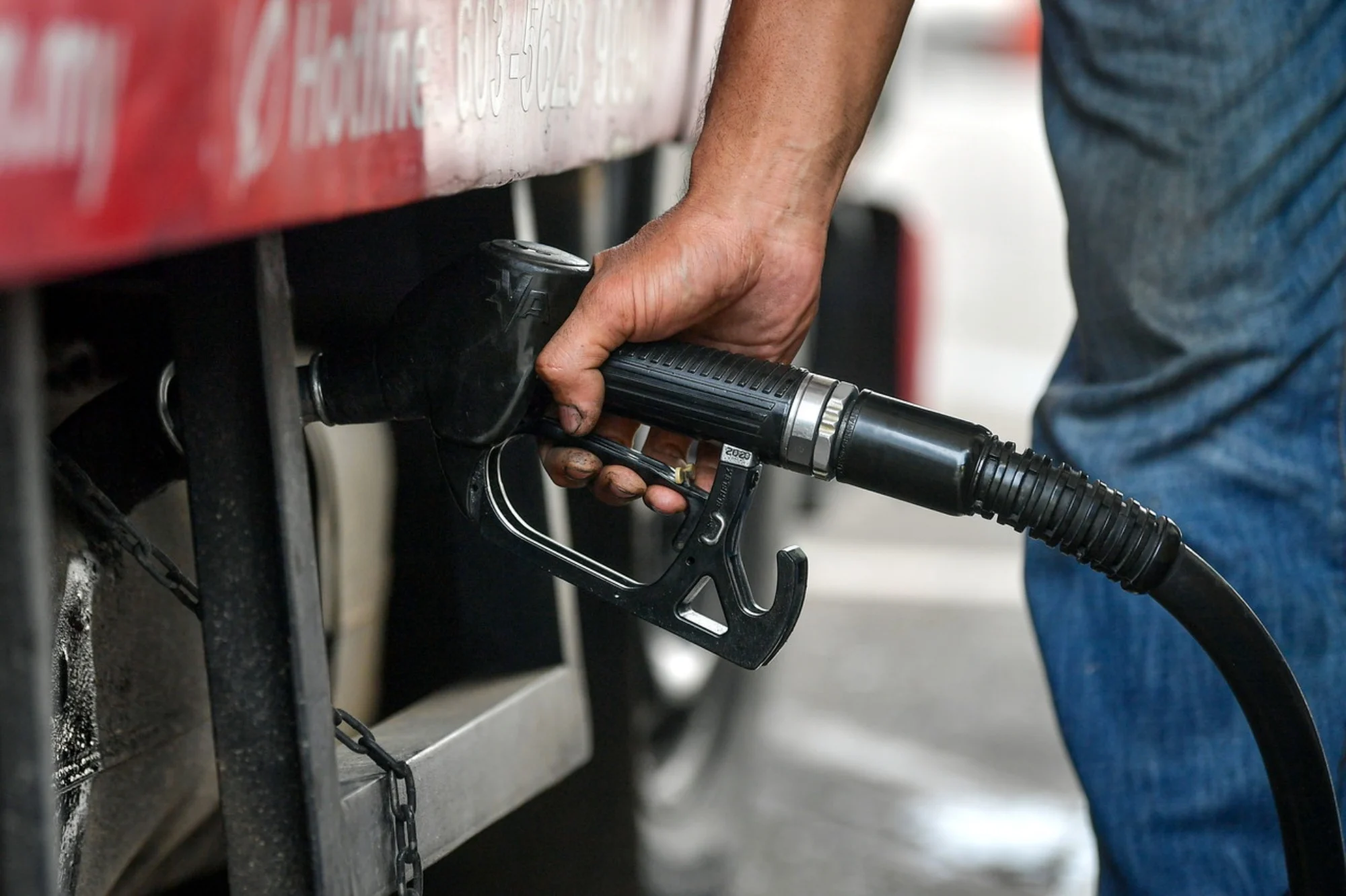
The Pradhan Mantri Ujjwala Yojana, launched in 2016, aimed to provide LPG connections to women in poor households. The scheme has successfully increased LPG access among poorer households, leading to health benefits and time savings. A 2024 study found reduced respiratory illness among surveyed villagers, with nearly 99% of LPG users reporting positive outcomes. However, ensuring sustained adoption and addressing affordability barriers remain ongoing concerns.
Written by urgent.news from Free Press Journal's reporting — not their text. Machine-written — may contain errors; check the original before relying on it.