Philippines: Oil, gas surveys revived after 46 years
Manila: The Philippines is restarting large-scale mapping of its oil and natural gas "basins" after more than four decades, with a new survey aimed at identifying potential domestic energy resources and attracting private exploration. The Department of Energy (DoE) presented the ₱2.8-billion ($44.6 millio) behind Philippine Gradiometry and Seismic Survey Project during a Senate hearing on…
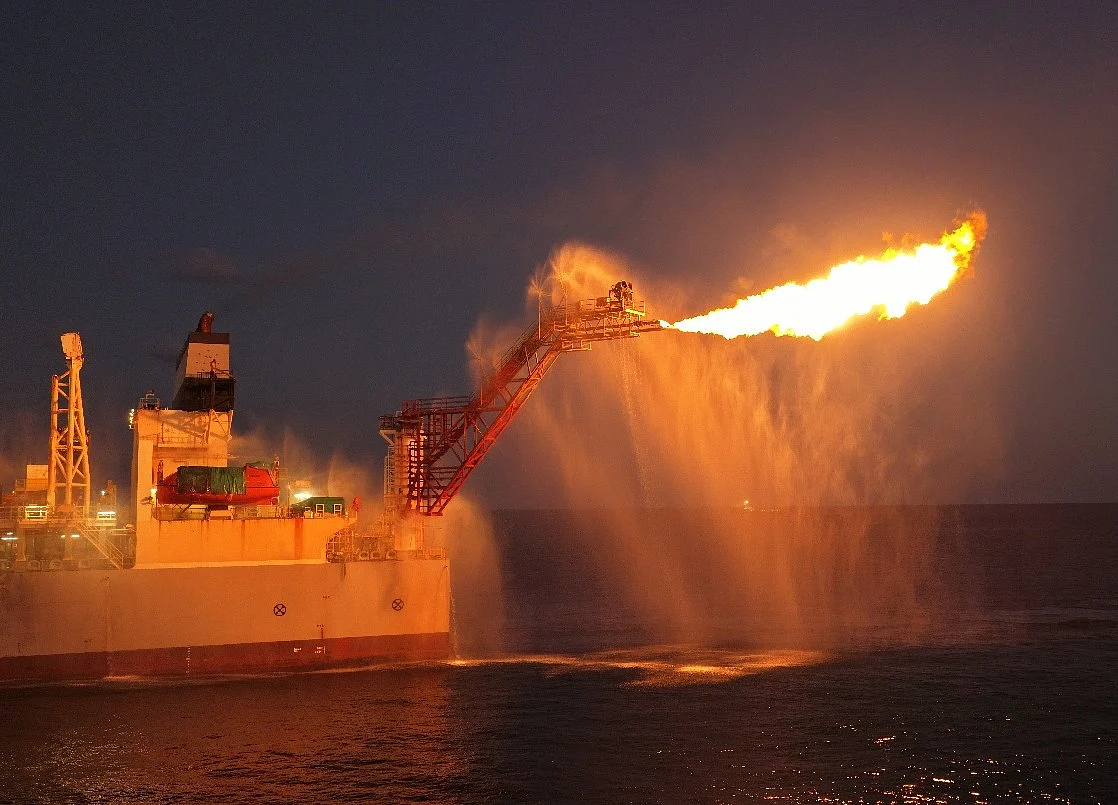
Manila: The Philippines is resurrecting extensive oil and gas surveys spanning four decades, with the goal of uncovering domestic energy resources and enticing private exploration. The Department of Energy (DoE) detailed the ₱2.8-billion ($44.6 million) Philippine Gradiometry and Seismic Survey Project during a Senate hearing, as part of its proposed 2027 budget.
By investing in this four-year program, the agency anticipates generating geological and geophysical data across roughly 120,000 square kilometers in the Agusan and Visayan basins. The government believes these insights could alleviate a major obstacle to petroleum exploration: the high costs and uncertainties associated with drilling without reliable subsurface information.
Assistant Secretary Mario Marasigan emphasized the significance of this milestone, stating that after decades of inaction, the Philippines is once again investing in its own energy basins. The surge in foreign energy imports has propelled the Philippines' reliance on external energy sources, with fossil fuels accounting for 52% of the nation's total primary energy supply in 2025.
The sole major domestic natural gas field, Malampaya, is nearing depletion, making new domestic discoveries strategically vital. The government is pursuing multiple avenues simultaneously, including extending Malampaya production, exploring other petroleum basins, and developing emerging resources such as geothermal energy and native hydrogen.
In January, the government announced a significant natural gas discovery at Malampaya East-1, marking the first substantial find in over a decade since the field's inception. The initial phase of the airborne geophysical survey will cover approximately 40,000 square kilometers of the Agusan-Davao Basin, with the Philippine company Metatek selected for the task in August.
The project will subsequently extend to the Visayan Basin, expanding the total survey area to about 120,000 square kilometers. Following airborne data collection, the program will incorporate 2D seismic surveys, processing, and interpretation. While the primary objective is to identify potential oil and gas reserves, the new data could also support exploration for native hydrogen and geothermal resources, creating a unified geological database for future investment and energy planning.
The renewed survey arrives as the Philippines seeks to diversify its energy supply, combining renewable energy development with the search for additional domestic energy sources. The newly designated basins were previously deemed promising in earlier 1970s and 1980s studies, although limited exploration occurred due to the relative unimportance of natural gas at the time.
The last comparable government-funded data acquisition program was conducted in the 1980s with World Bank financing. The new survey aims to update the outdated geological data. The Department of Energy projects that the initiative could yield a 602% return on investment by diminishing exploration risks and encouraging private companies to bid for petroleum service contracts.
Should only 10% of the potential be developed, the government estimates that the survey area could attract around ₱16.8 billion in private investment, excluding the potential revenue from any commercially viable oil or gas discoveries.
Written by urgent.news from Gulf News's reporting — not their text. Machine-written — may contain errors; check the original before relying on it.