Perluas geran khas untuk atasi kebuntuan minyak dan gas Persekutuan-Sarawak
Bayaran terus oleh kerajaan Persekutuan boleh memenuhi keperluan Sarawak tanpa melemahkan institusi nasional yang penting.
The Prime Minister Anwar Ibrahim's suggestion for Petronas and Petros to cooperate and soon resolve their dispute is understood due to the significant interest involved. People have heard of solutions that seem near completion too many times. Although there may be progress on basic principles, issues related to commercial terms, operational power, and ongoing court cases show the disagreement is far from over.
Therefore, Putrajaya and Kuching should not try to solve every aspect of the dispute through the two relevant companies alone. An interim RM1.5 billion grant offers a better way - it can be expanded into a continuing payment formula that is larger, long-lasting, and clearer for Sarawak. This step may not solve all legal, power, and distribution issues, but at least it can separate Sarawak's rightful claims for a larger share from the commercial ecosystem dispute involving Petronas.
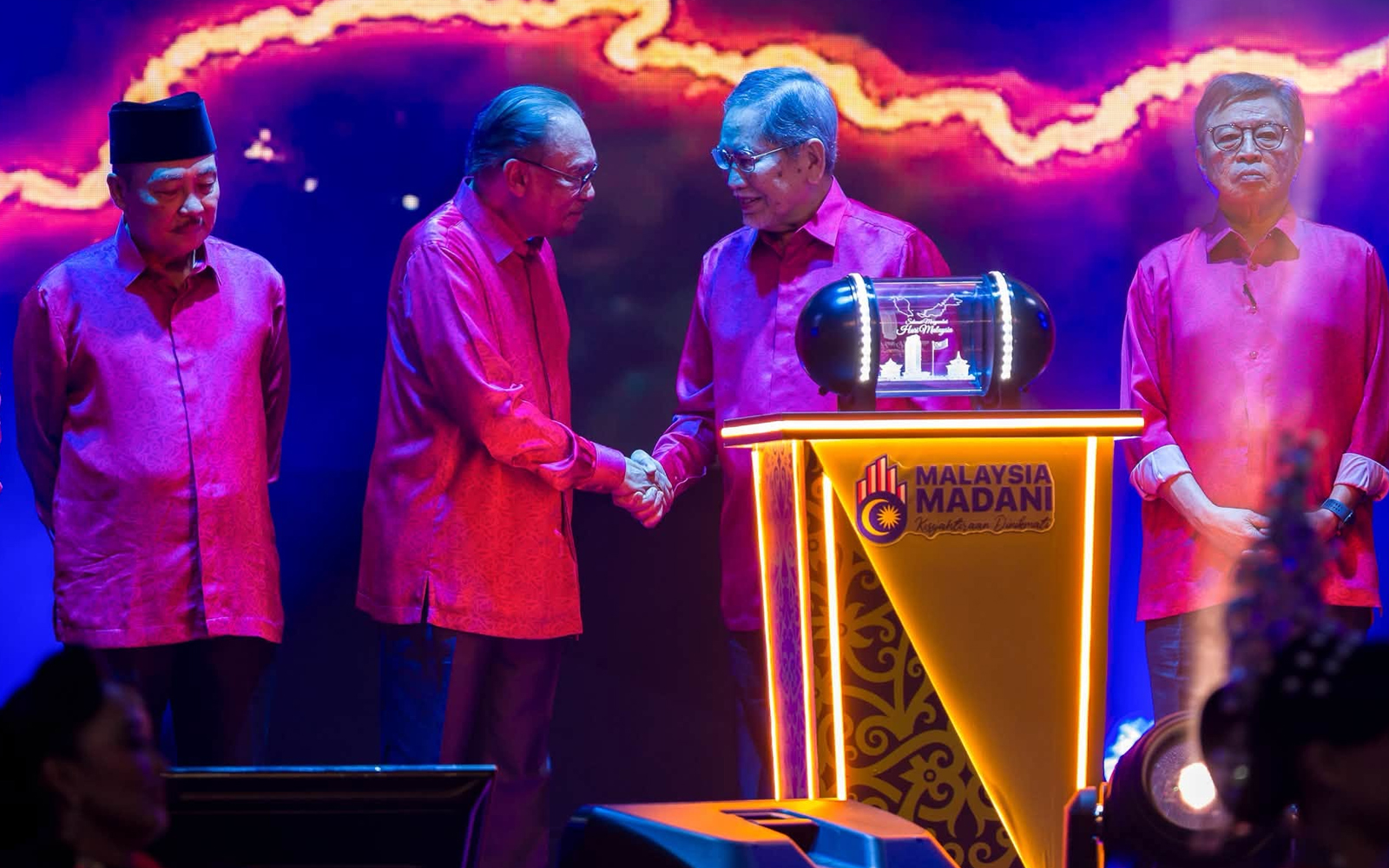
Upon Malaysia's National Day celebration in Kuching on Sept 16, Anwar announced the grant in the spirit of unity, friendship, and Malaysia. He also agreed in principle to Sarawak's suggestion that a formula be established based on 5% to 10% of the federal government's revenue. A clear formula is better than lengthy negotiations about payment amounts.
Sarawak will know what to expect, while Putrajaya will know its responsibility, while both parties have clarity about when and how this rule will be re-evaluated. Payments can increase or decrease based on national results. This way, Sarawak enjoys Malaysia's fiscal success without making Petronas a vehicle for political demands.
The federal government's fiscal space is indeed limited, and this formula will remain like this, leading to significant costs. However, that is the main point. Resolving financial relations between the federal and Sarawak governments is the responsibility of the federal government, not a matter that should be handed over to the estimation key and Petronas' business model.
If Malaysia believes Sarawak deserves a larger and permanent share, Putrajaya needs to provide funds and be responsible for that decision, even though it is difficult from political and fiscal perspectives. The Hormuz Strait crisis shows how disruptions in a strategic sea route can affect supply, shipping, prices, contract commitments, and market confidence.
Energy security is not just about the existence of oil and gas underground. It also depends on the ability to consistently supply energy, maintain infrastructure, fulfill contracts, and cope with market uncertainties. Petronas is at the heart of this system. It develops oil and gas fields, finances infrastructure, manages joint venture production contracts, finds buyers, and fulfills LNG delivery commitments.
The scale, financial strength, and independent model of Petronas allow Malaysia to remain a reliable energy supplier while ensuring domestic needs are protected. Sarawak's effort to obtain a fairer share and a greater role in development is understandable. Its people should benefit from resources beyond the state's coast, while Petros must also be given space to build capacity in the domestic gas market.
However, what Sarawak seeks is not just cash payments. The RM10 billion figure was linked to Sarawak's claims, apart from Petros' role as a gas aggregator. At this stage, the dispute over the outcome has turned into a question of national energy security. The aggregator is not just a transporter. It buys gas from producers and sells it back to users.
The one who controls this position also controls the price, cash flow, and margin between purchase and sale prices. Therefore, giving Petros a wider aggregator role will remove a key component from Petronas' ecosystem and business model. This could create a new revenue source for Petros, but at the same time, it risks weakening the supply chain that supports Petronas' ability to invest, meet LNG commitments, and carry out its national role.
Malaysia should not resolve a dispute between governments over profit-sharing by redesigning the company responsible for this responsibility. The general impression of a possible solution already seems visible. Petros can play a crucial role in Sarawak's gas market and help meet the state's industrial aspirations. However, Petronas needs to maintain its national level role under the Petroleum Development Act 1974, including upstream sector control, joint venture contracts, foreign LNG sales, and existing export commitments.
The principle is simple: give Sarawak the space to participate without creating power imbalance that leads to uncertain business for whom they need to pay, which rules apply, or whether their investments will be protected. The deadlock in Shell MDS, where the company received payment claims from both Petronas and Petros, is a warning of what can happen when responsibility boundaries are unclear.
Uncertainty is not just painful. It can delay business decisions, increase costs, and make Malaysia look less reliable to investors. A continuing payment formula that remains unchanged will not eliminate all legal issues. It should not block Petros from growing either. However, this approach can remove the most politically sensitive issue - the amount Sarawak receives - from the company's negotiation table.
Instead of obtaining a fixed amount, Sarawak should receive a formula that delivers a share based on the country's fiscal health, ensuring fairness and security for all parties involved.
Written by urgent.news from Free Malaysia Today's reporting — not their text. Machine-written — may contain errors; check the original before relying on it.
Also reported by 1 other outlet
- Perluas geran khas untuk atasi kebuntuan minyak dan gas Persekutuan-Sarawak freemalaysiatoday.com