OP-ED | Men are dying by suicide – Why are so many still suffering in silence?
Health-e News OP-ED | Men are dying by suicide – Why are so many still suffering in silence? When I started working on an article about men and suicide, I wanted to include the voices of men themselves. The SA Federation for Mental Health put out a call on our social media platforms, website and fortnightly newsletter asking men to share their thoughts and experiences. I even posted the request…
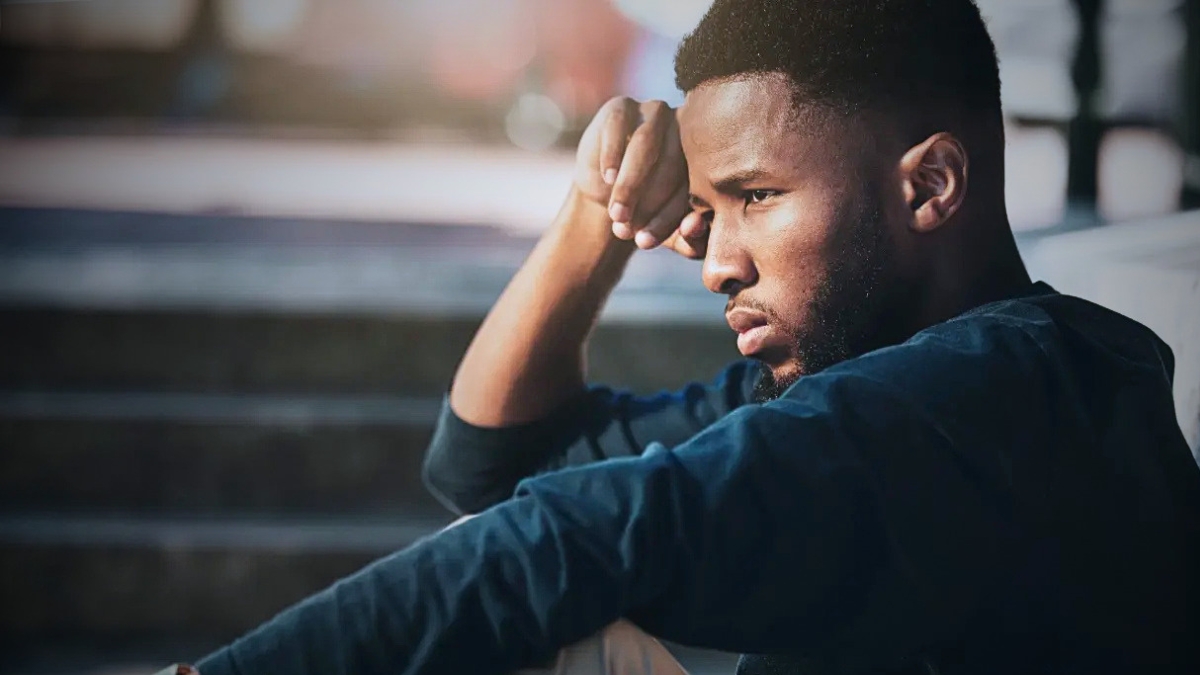
When I began researching an article about men and suicide, I desired to incorporate the perspectives of men themselves. The South African Federation for Mental Health reached out through their social media channels, website, and newsletter, inviting men to share their thoughts and experiences. However, I received no responses. Silence. This lack of engagement speaks volumes about the issue at hand.
South Africa is grappling with a grave suicide crisis, with around 80% of recorded suicides among men. Out of 13,774 suicides documented in one dataset, nearly 79% were men. This crisis extends beyond our borders, as men are more likely to die by suicide than women in most countries, despite women experiencing higher rates of suicidal thoughts and behavior. Furthermore, men are less likely to be recognized as being at risk of suicide and can be more challenging to engage through prevention efforts.
The deterioration of a man's mental health may go unnoticed by those around him, contributing to the stigma surrounding suicide among men. Society's expectations that men should be fearless, emotionally strong, and self-reliant can leave struggling men feeling inadequate. When men fail to meet these expectations, they may experience stigma from both others and themselves, discouraging them from seeking help.
Mental health problems are common, yet stigma persists, making it difficult for people to discuss their mental health. Men are less likely to seek help for mental health issues and more likely to discontinue therapy early and hold negative attitudes towards professional support. Men might describe their struggles with "stress" rather than depression, or use substances to cope. They might also withdraw socially, become irritable, engage in risky behavior, or struggle with daily activities.
Addressing the male suicide crisis requires breaking the silence surrounding the issue. Communities and individuals can play a crucial role by identifying men at risk and offering support. Encouraging open conversations about mental health, creating opportunities for connection, and ensuring mental health resources are accessible can help.
It is vital that warning signs of suicide are not dismissed or taken lightly and that those who may be struggling receive the necessary professional support. Speaking up and seeking help is not a sign of weakness; it is a crucial step towards healing.
Written by urgent.news from Health-e News's reporting — not their text. Machine-written — may contain errors; check the original before relying on it.