Once reliant on Samsung and SK Hynix, Chinese smartphone makers are turning to CXMT
China’s leading memory chipmaker ChangXin Memory Technologies (CXMT) is gaining ground among local smartphone vendors, with some of its high-end chips finding their way into flagship Chinese handsets as vendors push into the premium market. ZTE-backed Nubia’s NaviX Ultra that went on sale on Wednesday used LPDDR5X DRAM chips from CXMT, the companies announced earlier this month. The handset was…
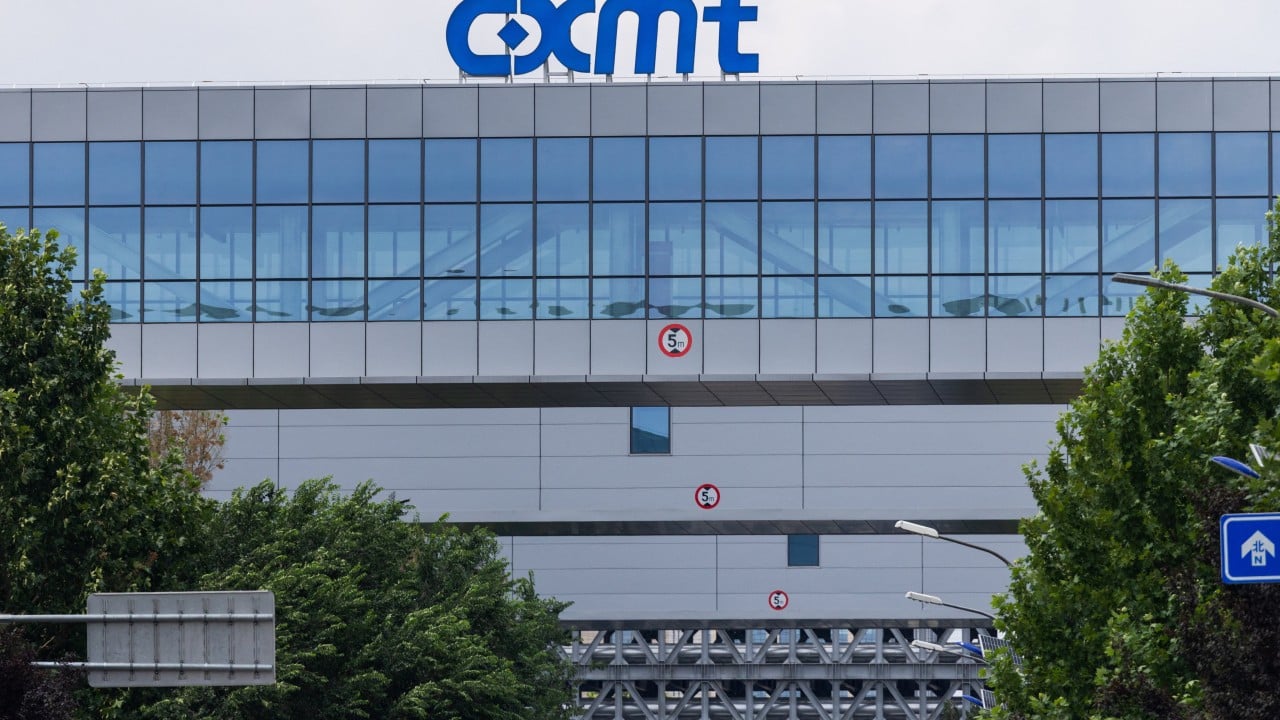
Chinese memory chipmaker ChangXin Memory Technologies (CXMT) is gaining market share among domestic smartphone manufacturers, with some of its high-end chips installed in premium Chinese devices. ZTE-backed Nubia recently unveiled the NaviX Ultra, which utilized CXMT's LPDDR5X DRAM chips. This marked the first significant deployment of domestically produced LPDDR5X chips, boasting data transfer speeds of up to 10,667 Mbps.
The Nubia Doubao phone, priced from 5,999 yuan (approximately US$885), also featured an AI assistant powered by ByteDance's Doubao, the first mass-market smartphone to do so. LPDDR5X chips, available in speeds of 8,533 Mbps, 9,600 Mbps, and 10,677 Mbps, have been in mass production since last year. Chinese tech giants Xiaomi and Transsion also utilized CXMT's LPDDR5X line.
Earlier this month, CXMT announced that its LPDDR6 chips have entered mass production, with Xiaomi's 18 Fold being the first smartphone to commercially use this memory product. CXMT's LPDDR6 offers 16 gigabytes of capacity and a maximum data rate of 12,800 Mbps, providing ample bandwidth for flagship smartphones and edge devices.
Huawei's Kirin 9030 Pro, found in the Mate 80 Pro Max, utilizes a mix of memory components from Samsung and CXMT. As CXMT's global DRAM revenue share rose to 9.5% in Q2 from 7.6% in Q1, it continues to lag behind industry giants Samsung, SK Hynix, and Micron Technology. Apple has reportedly tested CXMT's memory chips for potential use in iPhones and MacBooks, particularly for the Chinese market, according to a recent Wall Street Journal report.
However, no official partnership has been announced yet. The memory chip supply crunch caused by the surge in AI data center demand is driving Apple and other global tech companies to explore Chinese chip solutions.
Written by urgent.news from SCMP Tech's reporting — not their text. Machine-written — may contain errors; check the original before relying on it.