Oil is back above $100—but economists say that number isn’t the real threat to the U.S. economy
Gas takes up less household income than it once did, but record diesel prices and refinery shortages could still curb spending.
This week, oil prices surged past the $100 threshold per barrel, causing little alarm among analysts. Brent crude oil reached nearly $110 a barrel on Monday and settled around $107 on Tuesday, marking its highest level since May. Economists, however, argue that the $100 benchmark is less concerning than it appears. In the past, oil price surges led to long lines at gas stations and frustrated drivers, but this time, the $100 figure is seen as less alarming due to changing economic dynamics.
While the price increase has raised concerns about inflation and borrowing costs, economists are more worried about the impact of supply shortages on gas and diesel prices. These fuels directly affect consumers and businesses, potentially forcing Americans to cut back on spending and businesses to pay more for transportation and manufacturing.
Michael Pearce, chief U.S. economist at Oxford Economics, notes that the recent U.S. emergence as a net energy exporter means oil shocks affect households differently compared to the past. He states that while higher oil prices are detrimental to consumers, they benefit energy producers.
Economists emphasize that the $100 figure does not carry the same weight today as it did in the past. Patrick De Haan, head of Petroleum Analysis at GasBuddy, suggests that oil prices would need to reach closer to $200 to have a comparable economic impact. The war has put pressure on refined fuels like gasoline and diesel, but a shortage of refinery capacity has caused their prices to rise beyond what would be expected based solely on oil prices.
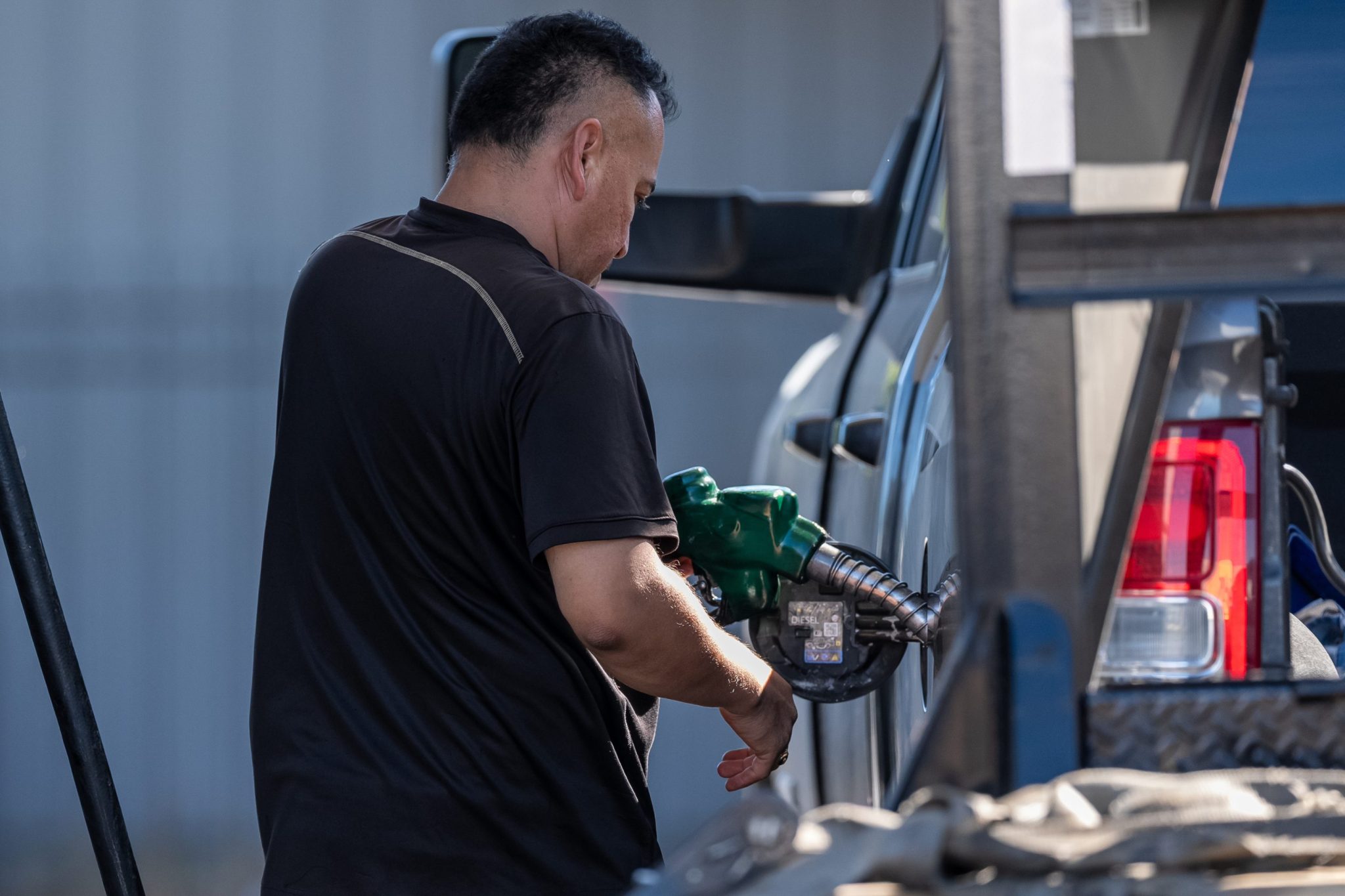
Gasoline prices have climbed to an average of $4.43 a gallon nationwide, up from $3.20 a year earlier, while diesel reached a record $6.39 a gallon, compared to $3.70 a year earlier.
The national average gas price trend toward $4.43 a gallon could shave a few tenths of a percentage point from consumer-spending growth next year if prices remain high. Pearce suggests that oil prices closer to $140 could cause more serious problems, although the impact would be less severe in the U.S. than in countries where energy consumption is a larger portion of household budgets.
Lower-income Americans, who spend more of their income on essentials beyond gas, are more exposed to the price increases. JPMorgan researchers note that these households have less room to absorb higher prices.
De Haan believes that while diesel's indirect costs have not become "insurmountable" just yet, consumers might face more pressure around the holidays if prices stay high. For now, De Haan advises Americans to "grimace and bear it."
Written by urgent.news from Fortune's reporting — not their text. Machine-written — may contain errors; check the original before relying on it.