Nuri rocket launch heralds South Korea’s first microsatellite constallation — and shows it might have the technology to launch its own Starlink
The first domestic microsatellite launch in South Korea’s growing space program is deploying 15 orbiting research and communications satellites.
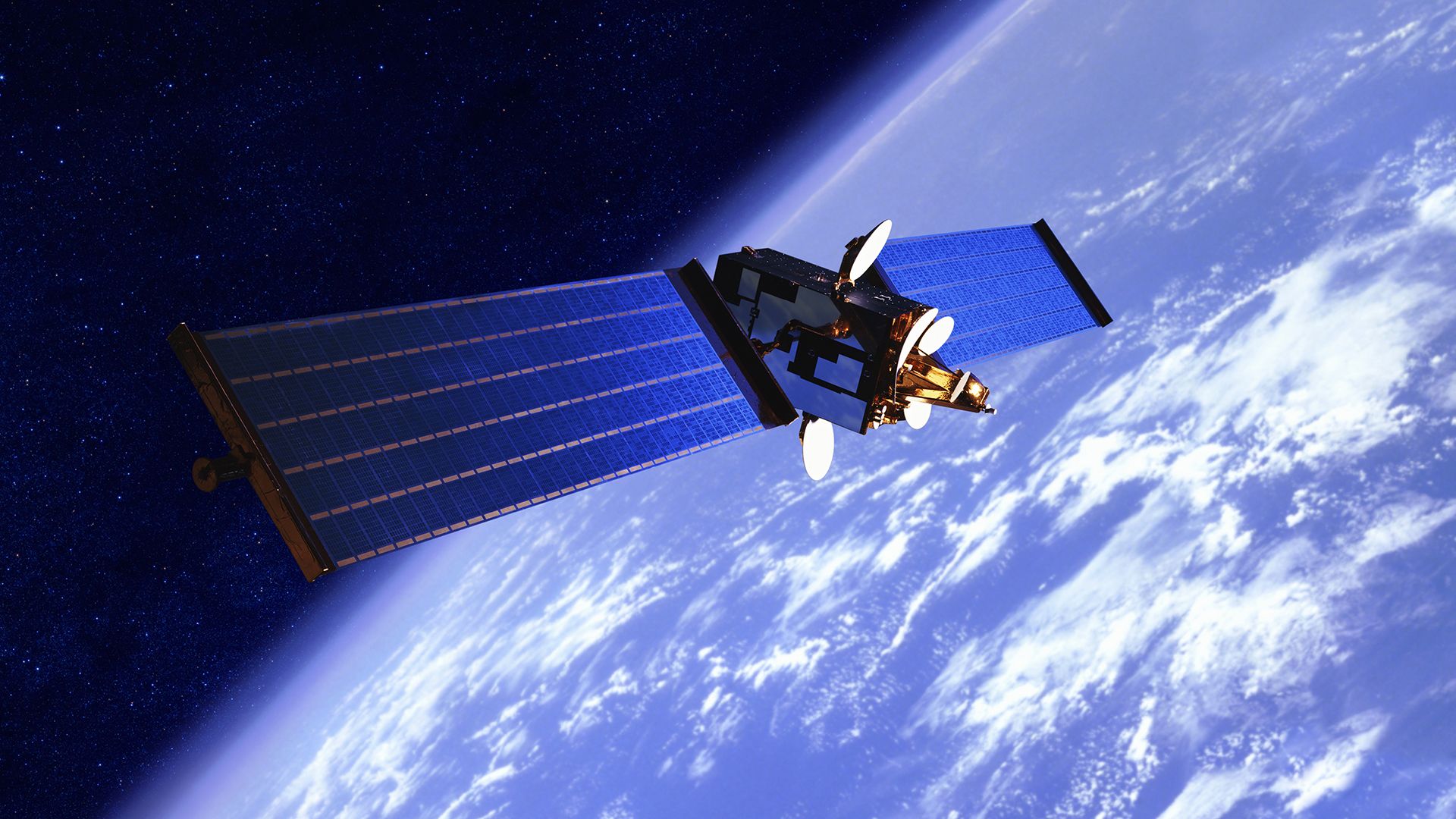
South Korea is preparing for its fifth launch of the Nuri rocket, which will carry a 15-strong payload of NEONSAT satellites and CubeSats, marking the first time the nation has deployed a microsatellite constellation. The NEONSATs, set to be joined by five additional microsatellites post-launch, will form the first half of a 10-strong constellation.
This first wave of satellites will primarily monitor the Korean Peninsula to assist with national security and disaster response procedures. The NEONSATs, equipped with electro-optical cameras, will provide unprecedented monitoring capabilities for disasters and potentially neighboring territories. However, the launch also brings a potential Starlink-like satellite internet service into question.
South Korea's ambition to reach Mars by 2045 may blur the lines between their satellite development and SpaceX's Starlink. While the Nuri rocket's microsatellite constellation mirrors Starlink's goals, North Korea remains a significant obstacle as Starlink currently refuses to provide internet to North Korea. If successful, the Nuri rocket launch could pave the way for future projects, but the North Korean factor could make South Korea's Starlink-inspired ambitions challenging to realize.
Written by urgent.news from TechRadar's reporting — not their text. Machine-written — may contain errors; check the original before relying on it.