NASA scientist's chance Moon discovery reveals once-in-a-lifetime crater
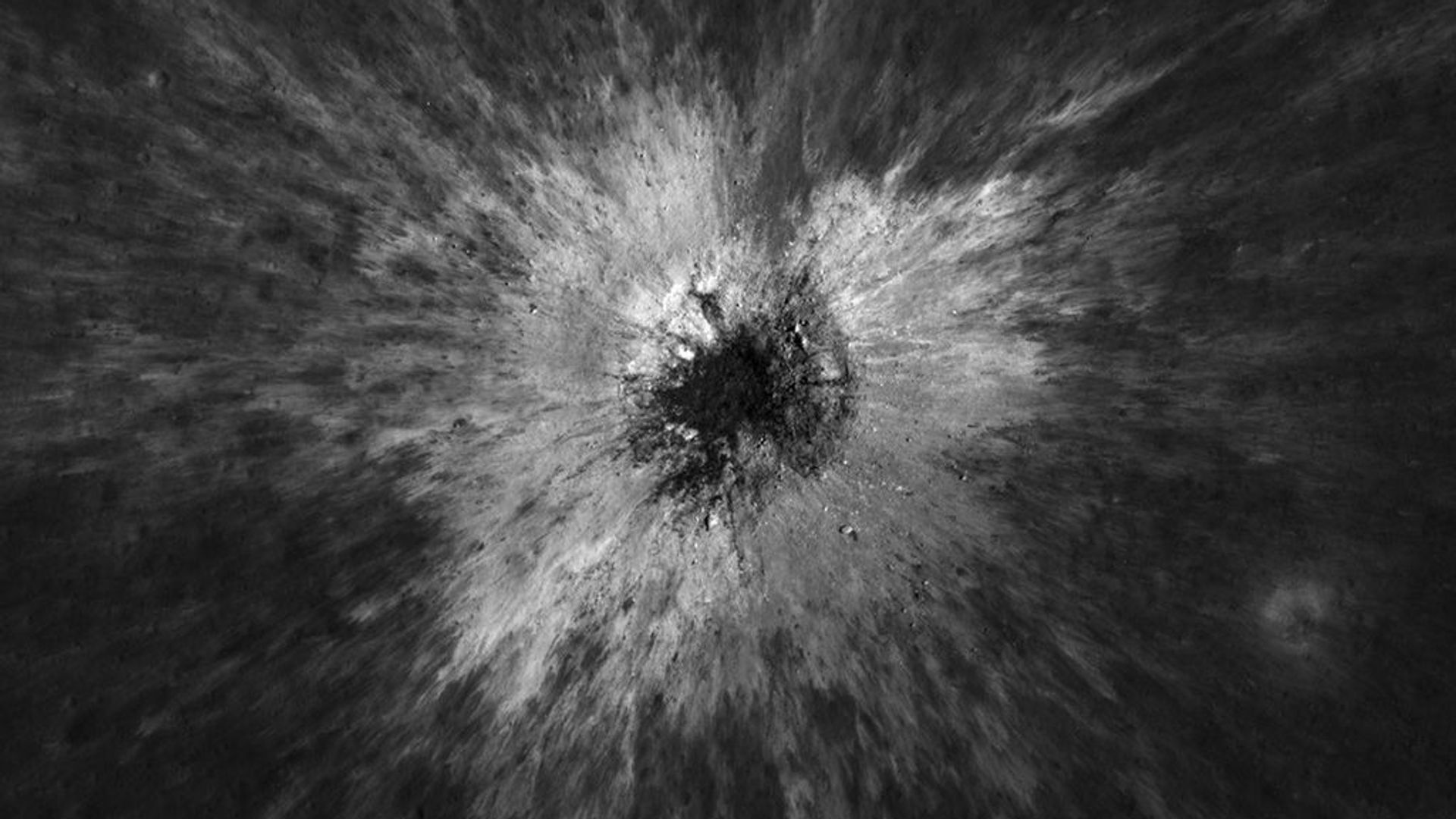
Wider and about as deep as the Roman Colosseum, researchers believe the newly-discovered McGetchin crater was formed after a powerful surface impact in 2024.
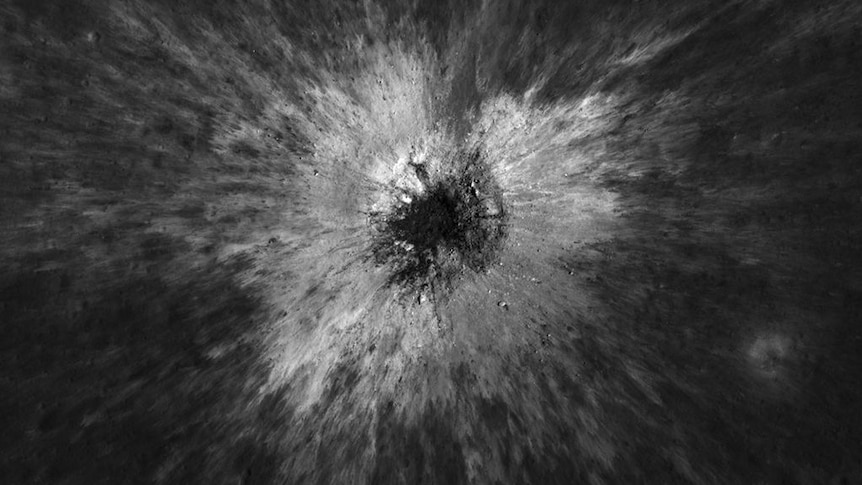
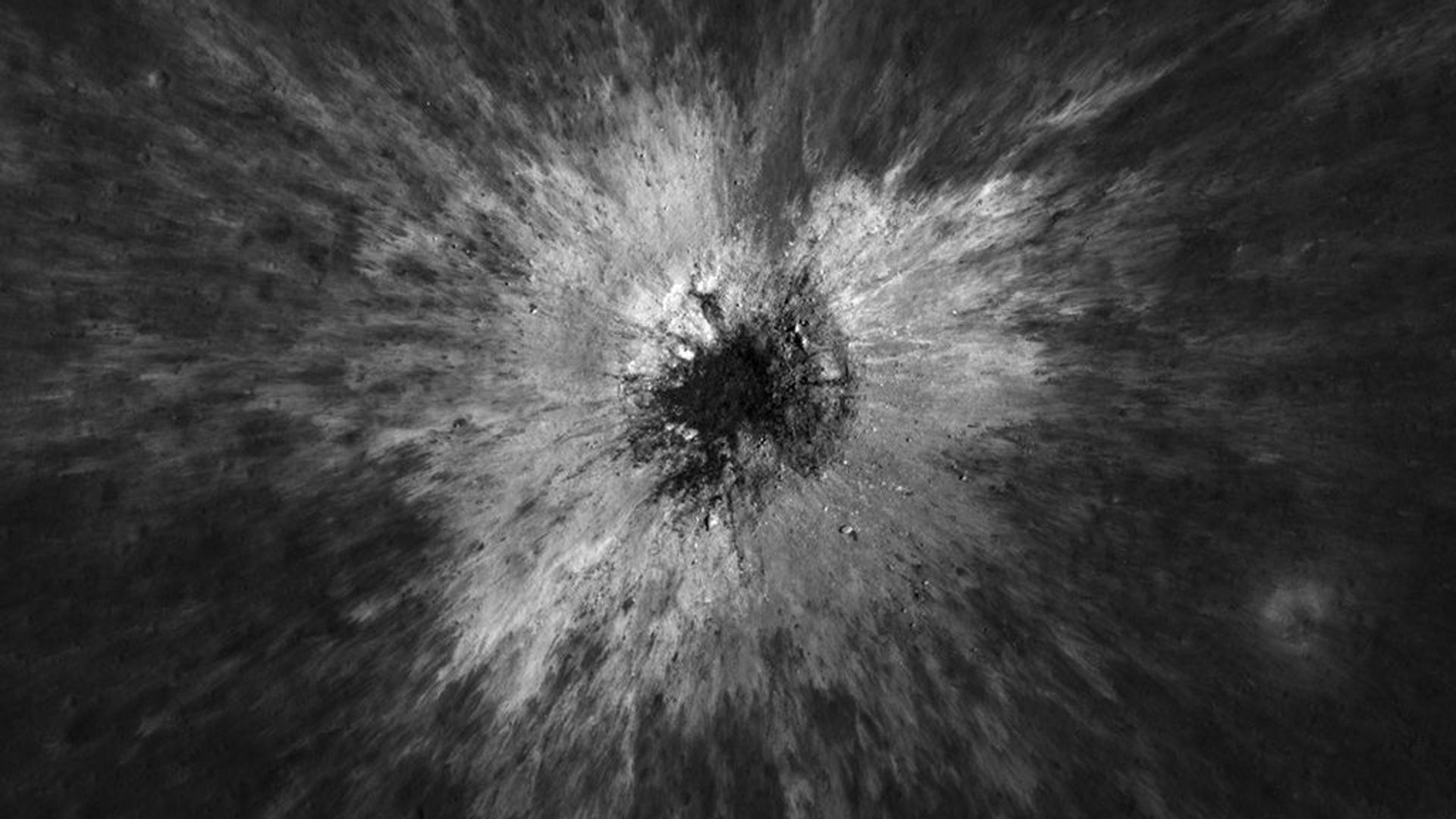
NASA scientists have identified a massive, recently-formed crater on the Moon, a rare event that occurs only once in a century or even longer, according to experts. The crater, named McGetchin, spans 730 feet (222 meters) in diameter, NASA announced in a blog post. Researchers believe it was formed in the spring of 2024 after a comet or asteroid impacted the lunar surface, with the impactor estimated to be the size of a building three-to-six stories high.
Scientists estimate such impact events occur on the Moon about once in a century or longer. The crater had been present for years but was only discovered during a new scan of the Moon's surface by Robert Wagner, a NASA researcher using the Lunar Reconnaissance Orbiter (LRO). The LRO, which has been studying the Moon since 2009, spotted the crater as a large bright spot surrounded by a dark halo.
A study published in Science Advances revealed it as the largest new crater ever discovered in the solar system. While the Moon contains numerous craters, many larger than McGetchin, studying its formation in real-time enhances our understanding of lunar geology, potentially aiding future crewed missions to the Moon by both the United States and China.
Unlike Earth, the Moon lacks an atmosphere, so space debris remains unaffected by slowing down or burning up before striking the surface.
Written by urgent.news from New Straits Times's reporting — not their text. Machine-written — may contain errors; check the original before relying on it.
This story
This is one outlet's version. Read the fullest account.
- Nasa scan discovers new, ‘once in a century’ Moon crater freemalaysiatoday.com
- NASA scan discovers new, 'once in a century' Moon crater nst.com.my
- NASA spacecraft discovers a huge new crater on the moon phys.org
- NASA discovers new, massive crater on the Moon lemonde.fr
- NASA discovers massive new lunar crater 222 meters wide english.ajel.sa
- NASA finds 728-foot Moon crater from 2024 impact nobody saw happen timesofindia.indiatimes.com