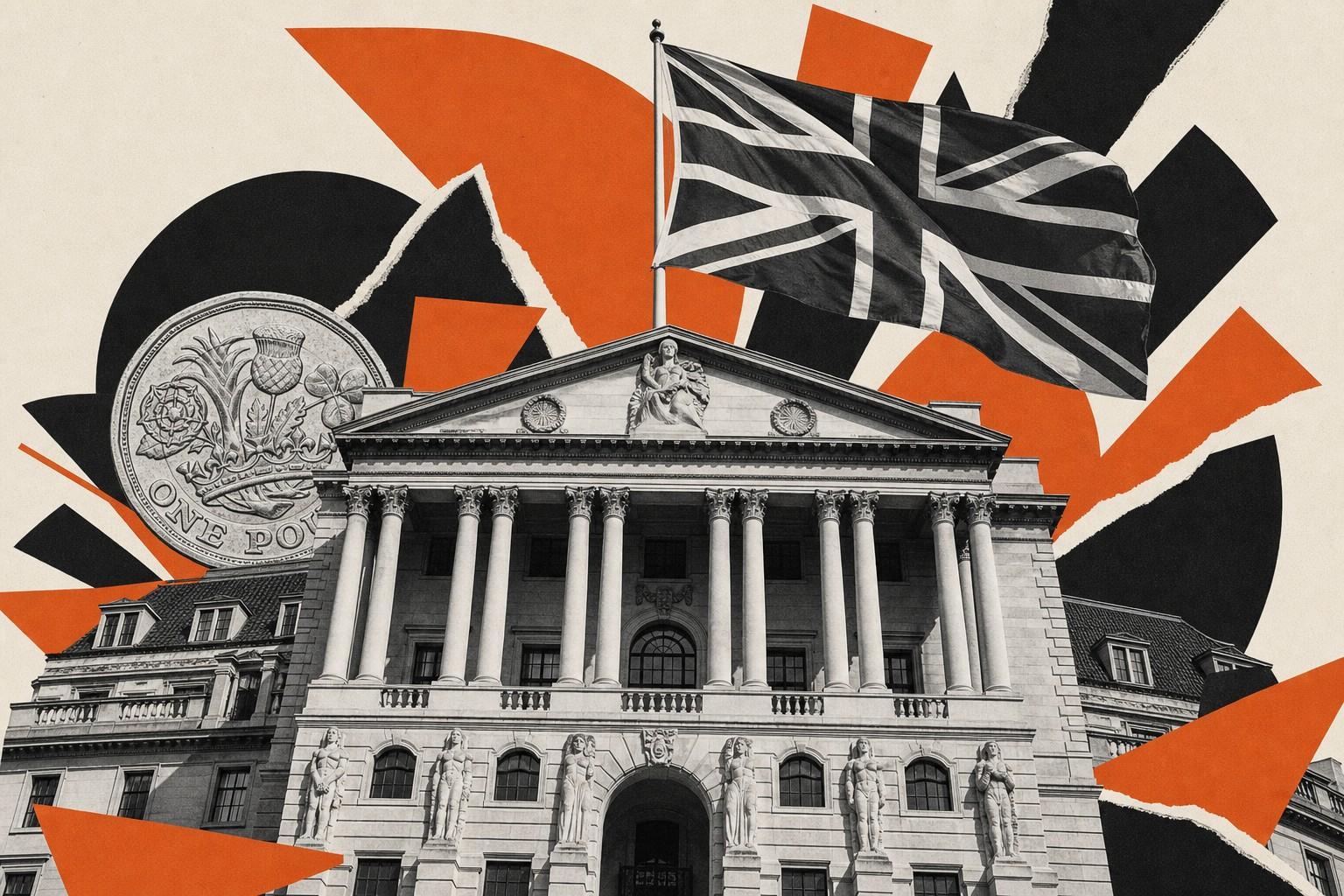
Most stocks rise as Fed defies Trump, oil prices recede on Saudi hopes
Asian markets rise after the US Federal Reserve raises interest rates, while easing oil prices offer some relief as investors weigh inflation and the ongoing Middle East crisis.
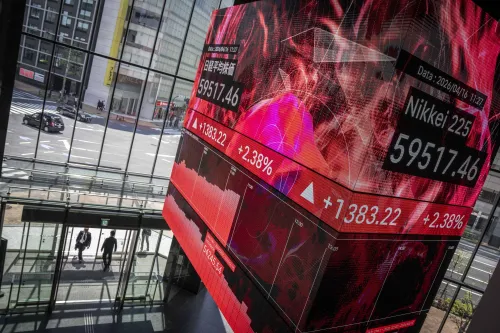
Most stocks climbed on Thursday following the Federal Reserve's decision to raise interest rates for the first time in three years. Federal Reserve boss Kevin Warsh expressed a more hawkish sentiment, indicating the likelihood of another rate hike as officials grappled with surging inflation. Investor confidence was bolstered by the prospect of increased oil supplies from Saudi Arabia, as the country restored some capacity from a recently closed pipeline following drone attacks. Brent crude prices dipped by 0.2 percent to $105.66 at the start of Thursday trading.
The Federal Reserve made a unanimous decision to increase borrowing costs, marking the first such hike since 2023. They did this to combat inflation that had been excessively high for too long. Warsh emphasized the necessity to adjust financial and credit conditions to align more closely with the central bank's ultimate objectives.
The Fed's move, which was announced alongside a graph showing that most policymakers anticipated another rate increase before the end of the year, raised the probability of an October hike to 50:50. Asian markets reacted positively to the Federal Reserve's move, with Wall Street's three main indexes ending the previous day on a downward trend. The hike enhanced the credibility of the central bank and provided reassurance regarding officials' determination to control inflation.
As long-term government bond yields fell, investors reduced their inflation expectations, which currently stand at 3.4 percent, significantly above the bank's 2 percent target. The interest rate hike removed the immediate credibility question and sparked a new discussion about the extent of further tightening. Stephen Innes from Quintex Intel noted that the decision signaled a policy that was still supportive before Wednesday and might not yet be restrictive afterward.
Despite Warsh's hawkish stance, some analysts believed his optimistic outlook on the economy could be uplifting for many. Equity markets across Asia were generally higher in early trade, with Tokyo, Seoul, Singapore, Taipei, Wellington, and Jakarta all posting gains. However, Hong Kong and Shanghai experienced a decline. Tai Hui from JP Morgan Asset Management cautioned that the likelihood of US policy rates returning to above five percent remains limited.
Nonetheless, the news of a potential equity market bull run extension appeared unlikely in the near future.
Written by urgent.news from IOL's reporting — not their text. Machine-written — may contain errors; check the original before relying on it.