Minister Ndabeni signals shift toward outcomes-based support for MSMEs at GEC+Africa 2026
Small Business Development Minister Stella Ndabeni says government should measure support for small businesses by survival, growth, market access and job creation rather than by activity alone.
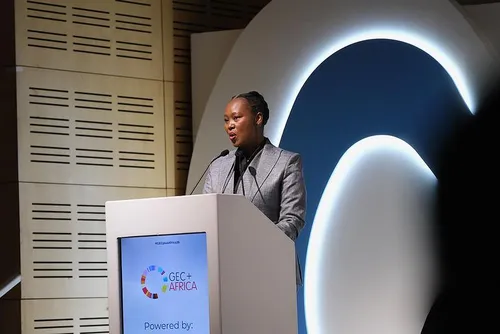
South African Minister of Small Business Development Stella Ndabeni delivered a keynote address at the Global Entrepreneurship Congress Africa 2026 in Cape Town, advocating for a shift in government policy towards outcomes-based support for Micro, Small, and Medium Enterprises (MSMEs). The congress theme, "Connecting Africa," underscores the need for stronger connections between entrepreneurs, markets, capital, policymakers, corporates, and ecosystem support organizations to unlock Africa's economic potential.
Addressing the global economic challenges, Ndabeni highlighted Africa's projected 4.3% growth rate in 2026, emphasizing the continent's potential due to its youngest and fastest-growing population. By 2040, Africa is expected to host 2.5 billion of the world's 10 billion people, making it the workforce, consumers, and innovators essential to future global growth.
Ndabeni stressed that Africa's greatest asset lies in its people, not its mineral reserves, which are set to become increasingly valuable as the world transitions to cleaner energy.
Ndabeni challenged African governments to invest in entrepreneurship and innovation, create enabling regulatory frameworks, and partner with various organizations to support MSMEs. She criticized the traditional approach of the public sector in assessing small business interventions, calling for a transition from counting activity to measuring tangible business survival, market expansion, and job creation.
The Minister emphasized that the support provided should address the actual challenges entrepreneurs face, such as lack of access to tools, networks, knowledge, and institutional support.
The Department of Small Business Development, responsible for creating an enabling environment for MSMEs, cooperatives, and rural businesses, is on track to support one million enterprises as per the Seventh Administration's commitment. Ndabeni highlighted several policy frameworks introduced to dismantle systemic barriers, including market concentration, fragmented support systems, and the need for stronger collaboration across African borders to leverage the African Continental Free Trade Area (AfCFTA) agreement.
Written by urgent.news from IOL's reporting — not their text. Machine-written — may contain errors; check the original before relying on it.