Malacca Strait cable disruption could cripple key services across the region
KUALA LUMPUR: Beneath the Strait of Malacca, one of the world’s busiest shipping routes, lie strategically critical submarine cables transmitting US$10 trillion in financial transactions daily, with any serious disruption potentially crippling banks, hospitals and airports in Malaysia and across the region.
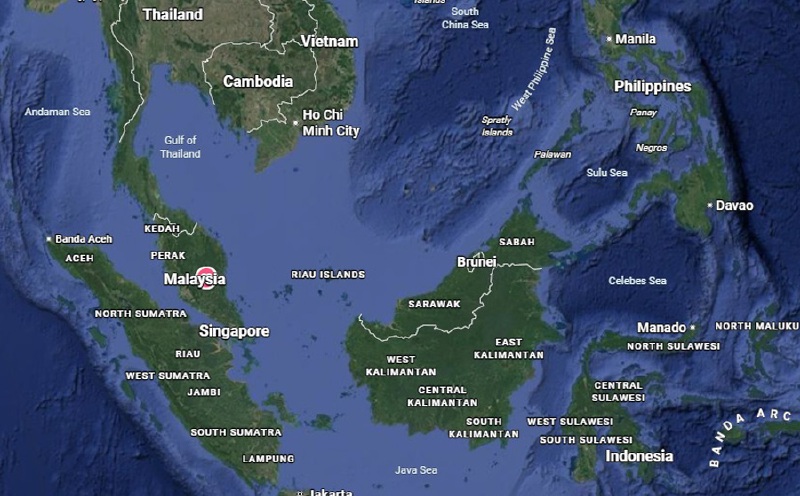
Below the Strait of Malacca, strategically important submarine cables transmit US$10 trillion in financial transactions daily, posing a significant risk if disrupted. Citizens International chairman Dr Shahridan Faiez, a former World Bank employee, highlighted the critical role of these cables in the region's energy, banking, healthcare, and transportation systems.
The Strait of Malacca, a vital trade route, handles over 39% of seaborne oil and 80% of East Asia's oil imports. Shahridan warned that disruption to the submarine cables would severely impact banks, hospitals, airports, and overall regional operations. Alternative shipping routes through Lombok and Makassar straits are insufficient due to lower vessel traffic and insufficient infrastructure.
With only about 20 operational cable repair ships globally, it could take months to repair damages, causing significant regional disruption. The Strait of Hormuz crisis serves as a reminder of Malacca's importance. Dr Faiez emphasized maintaining the neutrality of the waterway, emphasizing the role of Asean in ensuring its security and stability.
Written by urgent.news from New Straits Times's reporting — not their text. Machine-written — may contain errors; check the original before relying on it.