Long-term community support key to preventing return to hoarding: Charities
Experts say patience, building trust and gradual decluttering can be crucial.
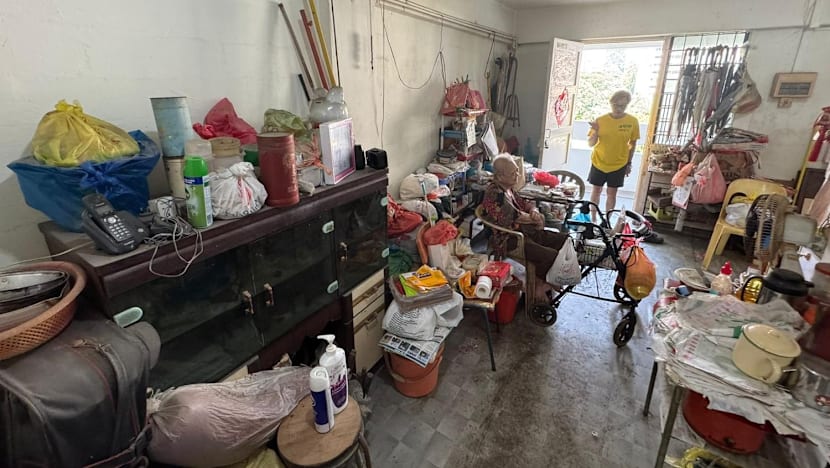
Long-term community support is essential to prevent individuals from returning to hoarding behavior, according to charities and experts. In Singapore, about 60% of hoarding cases seen by Montfort Care experience re-hoarding. Clearing a severely cluttered home can take days, but maintaining a clutter-free environment requires ongoing support and regular follow-ups.
Establishing trust and patience is crucial, as well as gradually decluttering a person's home. Simply clearing out possessions is not enough, as the contrast can create a strong sense of loss and potentially trigger the hoarder to accumulate more items. Clinical psychologist Sarah Ann Lee explains that possessions often hold significant emotional value, providing a sense of permanence and security.
Addressing the underlying emotions, such as anxiety or grief, is an important aspect of helping hoarders maintain a clutter-free home.
Building rapport and understanding a hoarder's perspective is also vital. People who hoard may feel anxious about being judged or have strained relationships with loved ones. Engaging in open conversations and showing empathy can help create a trusting relationship, making the hoarder more receptive to decluttering assistance. Community involvement and a gradual, step-by-step approach have proven effective for AMKSS Social Move, which now sees a recurrence rate of less than 5% compared to the previous 50%.
Written by urgent.news from CNA - Singapore's reporting — not their text. Machine-written — may contain errors; check the original before relying on it.
This story
This is one outlet's version. Read the fullest account.
- Long-term community support key to preventing return to hoarding: Charities channelnewsasia.com