La Bolsa se adentra en la "zona de peligro"
Los tipos de interés, la deuda, el petróleo y hasta la IA se combinan para crear un entorno de mercado delicado. Los indicadores de análisis cuantitativo y de sentimiento reflejan la incertidumbre actual con niveles que presagian un comportamiento negativo en Bolsa. Leer
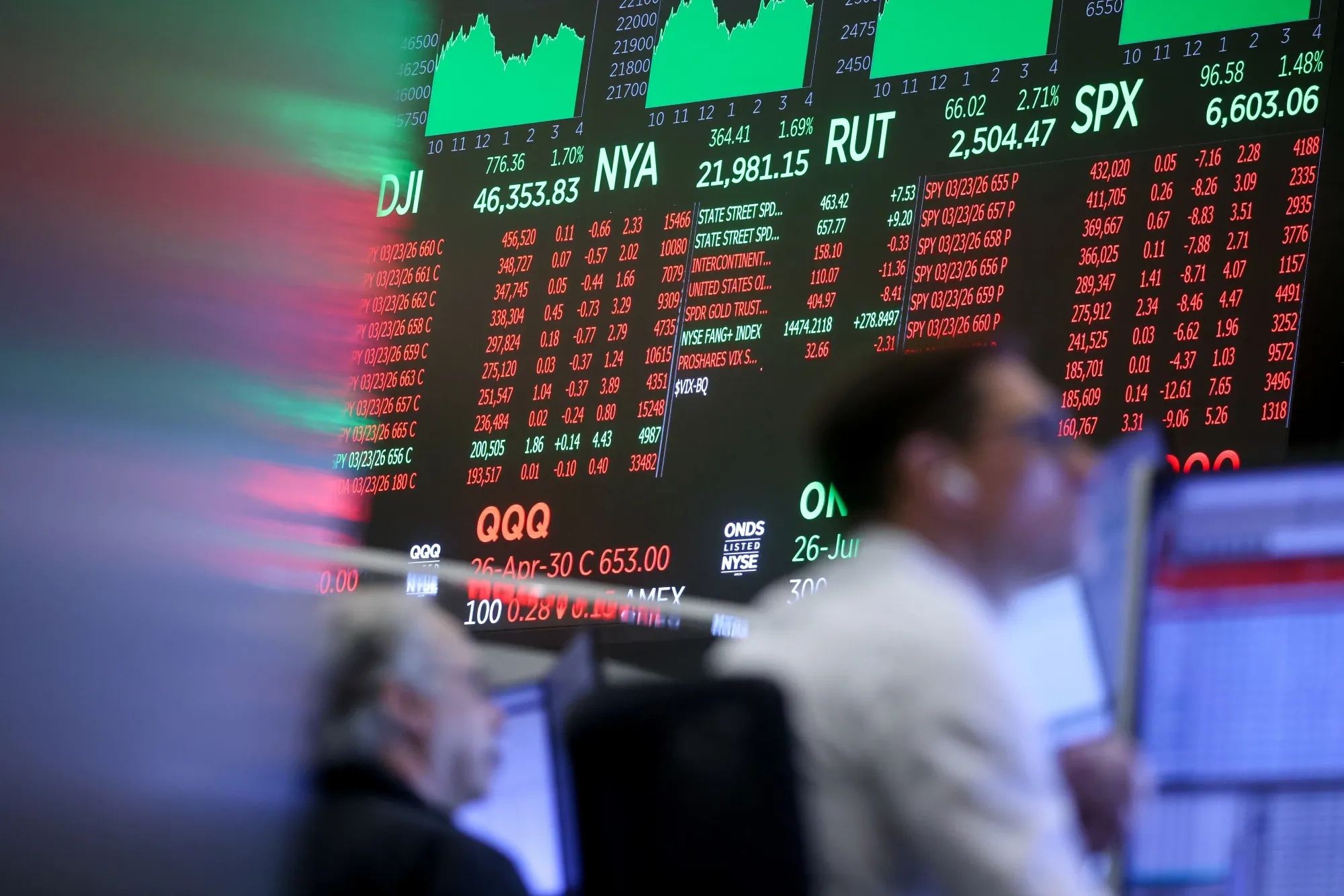
Spain's stock market, known as the Bolsa, has entered a potentially dangerous area. This is due to a combination of factors such as interest rates, debt levels, oil prices, and even artificial intelligence (AI) volatility. Quantitative and sentiment analysis indicators reflect the current uncertainty, forecasting negative market behavior.
Pressure on markets has intensified over the past month, which has been especially negative seasonally. September is statistically the worst month of the year for the Bolsa. Once the midpoint of the month is surpassed, the prevailing headwind in the historical series re-emerges.
The new bullish cycle in interest rates, debt maximums, renewed rallies in oil prices, persistent geopolitical alerts, and AI-driven sector volatility create a delicate market environment. This is highlighted by US-based SentimenTrader, which specializes in quantitative analysis and sentiment. One of their key indicators, the Market Environment Composite (MEC), has a current reading of 2 points.
SentimenTrader's analysts explain that this level puts the market environment into a dangerous zone. They note that this deterioration signifies the market environment has fallen into an unhealthy state.
The MEC index falling to just 2 points has been associated with low returns and high risks. Historically, a range of 2 to 4 points in the MEC has predicted annualized losses of 6% to 10% in the S&P 500, the Wall Street benchmark. The current 2 points read is far from the 5 to 7 point range that has historically anticipated 11% to 13% annualized appreciation.
SentimenTrader's data suggests caution, but also warns of potential buying opportunities during market falls. A further deterioration in the MEC is often the precursor to strong mid-term upward movements. Specifically, extremely low levels of this indicator, between 0 and 1 point, historically reflect extreme panic, which has led to annualized returns of over 30% in the past.
Written by urgent.news from Expansion ES's reporting — not their text. Machine-written — may contain errors; check the original before relying on it.