La Airef advierte del escaso margen para mantener las ayudas a los carburantes y empeora su previsión de déficit
La presidenta de la Autoridad Independiente de Responsabilidad Fiscal (Airef), Inés Olóndriz, descarta el cumplimiento del techo de gasto este mismo año e insta al Gobierno a mantener una visión "a medio y largo plazo" en la elaboración de los Presupuestos de 2027. Leer
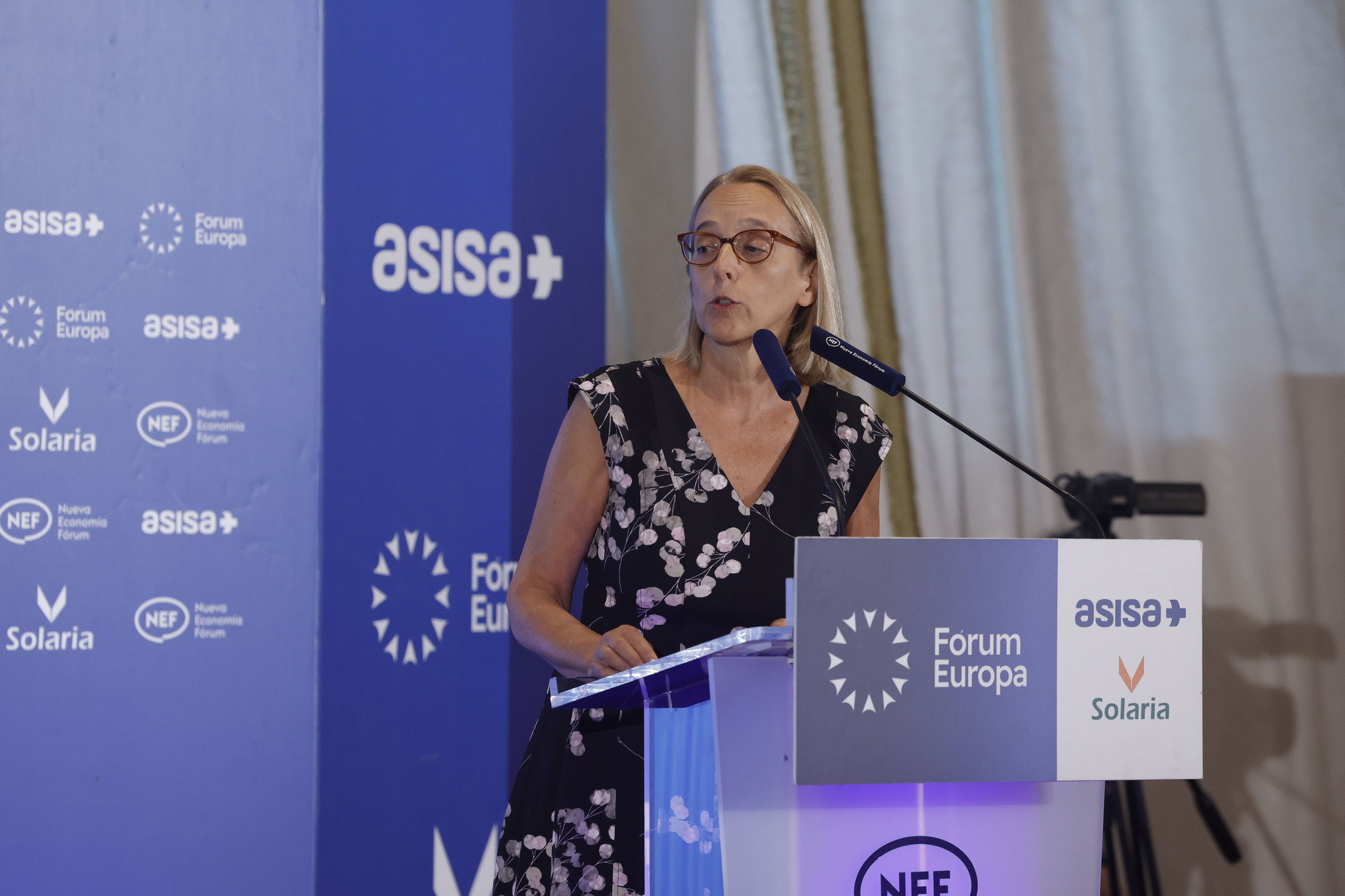
La presidenta de la Autoridad Independiente de Responsabilidad Fiscal (Airef), Inés Olóndriz, has warned that the government's fiscal margin for extending fuel aid assistance is becoming increasingly limited due to inflationary pressures caused by the war in Iran and rising fuel prices. Speaking at a New Economy Forum session, Olóndriz expressed concern over the spending dynamics, which could force the government to take more stringent measures in the coming years if the situation persists.
Olóndriz acknowledged that the conflict in the Middle East is spreading to other regions, impacting inflation, but emphasized that the fuel aid measures must adhere to the commitments already made. If these commitments are not compensated for with other expenditures, the deficit is expected to grow. Given the prolonged nature of the conflict with no clear resolution in sight, Olóndriz virtually ruled out meeting the projected fiscal ceiling for this year, which was recently adjusted to 2.7%.
The Airef president also commented on the draft 2027 General State Budget, which has been under negotiation between Culture Minister Ernest Urtasun and Finance Minister Arcadi Espas. She urged the government to ensure that decisions made have a medium and long-term vision. The Airef warned that the public accounts will be marked by the Senate's refusal to approve the stability path proposed by the government, leading to a focus on the overall deficit goal, which could obscure the rules of engagement with autonomous communities and municipalities.
Regarding the unprecedented spending projected for the upcoming year's budget - after raising the fiscal ceiling to €226.032 million - Olóndriz stressed that it's not just about increasing spending but ensuring that it's done in the most efficient manner possible. She also addressed the reform of autonomous financing, soon to be presented to Congress after approval by the Council of Fiscal and Financial Policy (CPFF) on September 4th, which would entail raising annual funding for regions by €21 billion.
Olóndriz noted that the new model needs to be examined in terms of financing and whether increased revenues or reduced expenditures are required to make the system viable without jeopardizing fiscal objectives.
All this is occurring in a context where the state faces additional expenses, such as investments in defense or crisis response packages that have been approved in recent years. Regarding the autonomous communities' debt reduction, Olóndriz noted that it also incurs a cost for the state, amounting to over €83 billion that the Treasury will forgive to the autonomous communities.
Written by urgent.news from Expansion ES's reporting — not their text. Machine-written — may contain errors; check the original before relying on it.