KNUST urges stronger integration of climate science, AI and environmental stewardship
The College of Science at the Kwame Nkrumah University of Science and Technology (KNUST) has called for stronger integration of climate science, artificial intelligence, and environmental stewardship to address growing resource management challenges in Ghana and the rest of Africa.
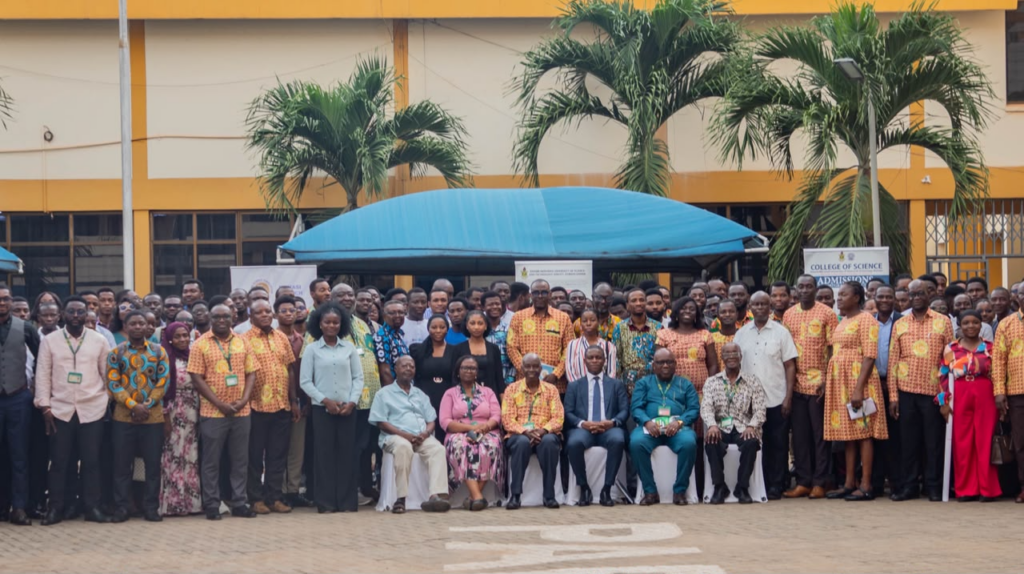
The College of Science at Kwame Nkrumah University of Science and Technology (KNUST) has called for a stronger integration of climate science, artificial intelligence, and environmental stewardship to tackle resource management issues in Ghana and Africa. This sentiment emerged during the opening of the 2026 Annual Science Conference, organized by KNUST and the Ghana Science Association (GSA).
The conference, which runs from September 16 to 17, explores how scientific innovation and emerging technologies can combat environmental challenges.
Provost of KNUST's College of Science, Prof. Philip Antwi Agyei, emphasized the relevance of the conference theme as the world grapples with environmental and technological shifts. He highlighted climate change's impact on rainfall patterns, temperatures, extreme weather, and resources, while pointing to AI, big data, machine learning, remote sensing, and computational technologies as tools for understanding and addressing these challenges.
However, Prof. Antwi Agyei stressed that technology deployment must be guided by responsible governance. He urged participants to consider the ethical, equitable, and accountable use of AI. He encouraged the integration of climate science, AI, and environmental stewardship to generate solutions tailored to African societies, moving beyond observing developments and actively shaping them.
Prof. Antwi Agyei pointed out Africa's disproportionate climate change impact, despite its low carbon emissions. He stressed the need for African-led research, data, and solutions to address this scientific challenge. He also urged participants to identify solutions, not just discuss problems.
The Ghana Science Association's President, Prof. Alexander Kwarteng, noted Ghana's scientific talent but called for strengthening systems to translate this talent into impact. He identified research infrastructure, funding, policies, and collaboration as key requirements for advancing science and innovation. Prof. Kwarteng stressed the importance of collaboration among researchers and institutions and encouraged participants to seek out potential collaborators.
The GSA remains committed to supporting cross-institutional and interdisciplinary initiatives emerging from the conference. Both speakers emphasized the role of young scientists and postgraduate researchers in shaping Ghana's and Africa's scientific future.
Written by urgent.news from MyJoyOnline Ghana's reporting — not their text. Machine-written — may contain errors; check the original before relying on it.