Kevin Warsh, an angry Trump and Jerome Powell Déjà vu: how history is repeating itself
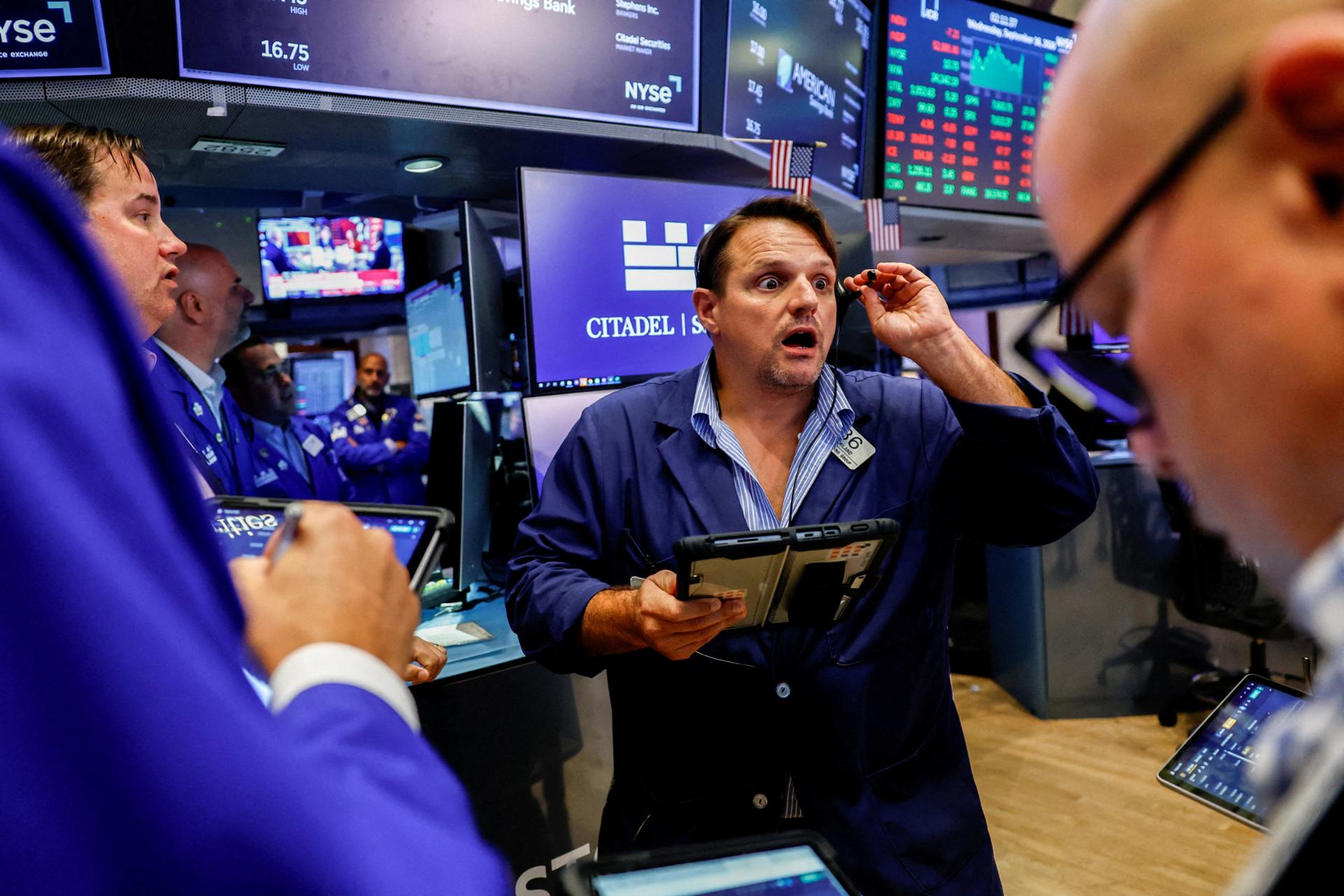
The S&P 500 fell 1% and the Dow lost 1.7% as the Fed chair said rates weren't restrictive before Wednesday's hike.
Kevin Warsh faced a delicate balancing act on Wednesday, trying to avoid both disappointing investors with a dovish stance and angering bond market participants with an overly hawkish one. Initially, it appeared he had tipped too far in the hawkish direction, as the S&P 500 fell to its lowest close since July. By Thursday morning, traders reassessed the situation, and both the Nasdaq and S&P 500 rallied, marking their biggest gains since the previous day's steep drop.
The Dow Jones Industrial Average added 224 points, or 0.4%, despite having plummeted more than 630 points the day before. The episode's duration was brief, akin to a hangover.
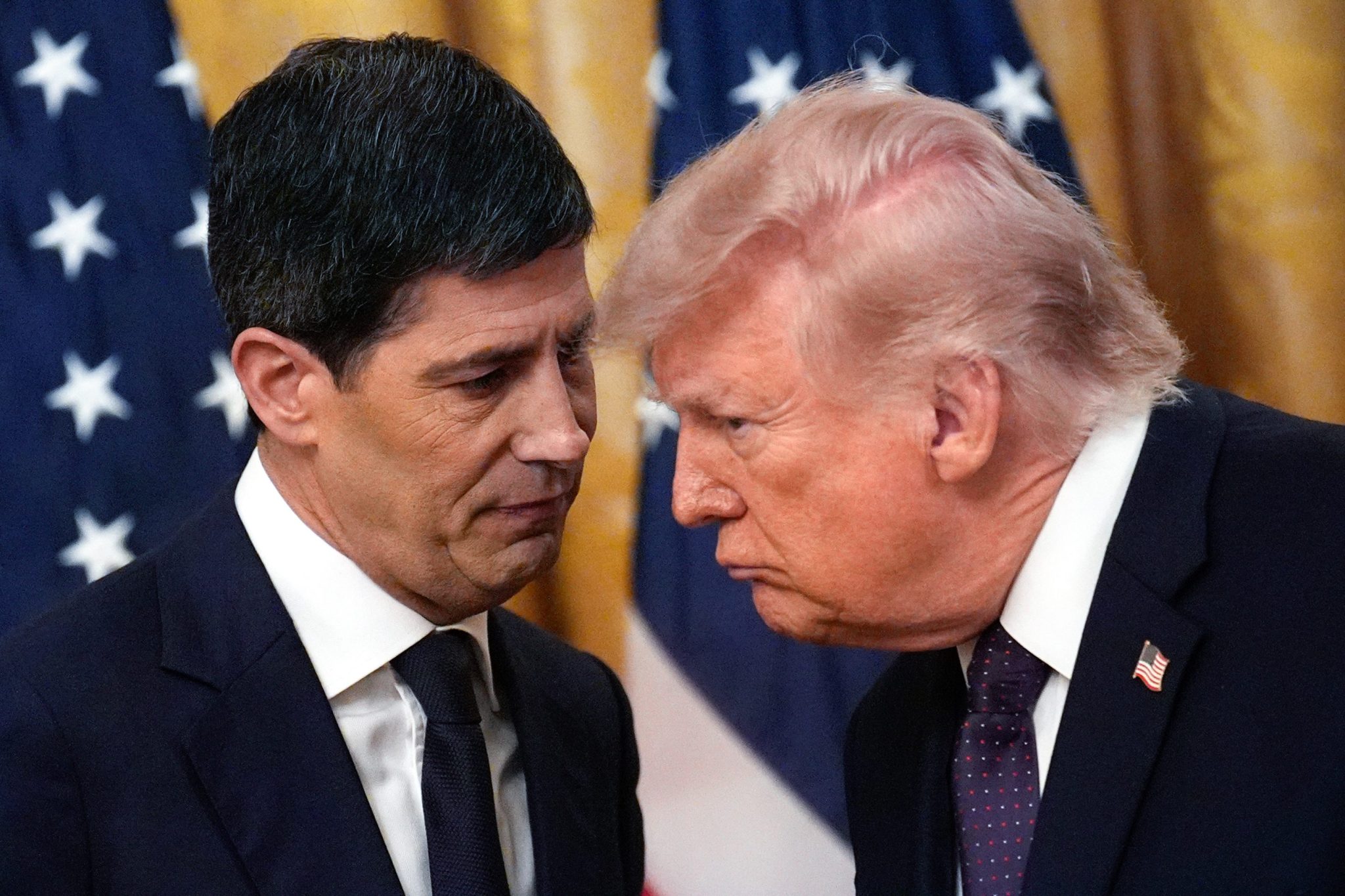
President Trump did not appear pleased with the events of the day. He claimed to have spoken with Warsh prior to the vote, a communication which Warsh declined to comment on during the press conference. Trump described the Federal Open Market Committee (FOMC) as "very hostile" and "very political" and stated that he believed a vote in favor of the hike would ultimately not matter.
He then tweeted his dissatisfaction, demanding interest rates of "1%, or less, because we are the Best Credit in the World—BY FAR," and calling for a rapid reduction in rates.
Trump's aversion to the Fed's actions stems from his past criticisms of Jerome Powell, particularly his dissatisfaction with Powell's failure to cut rates quickly enough. Trump had even considered firing Powell and replacing him with Kevin Warsh, whom he had previously criticized for being too critical of the Fed. In contrast, Warsh defended the rate hike, citing persistent inflation as the primary concern.
Trump, however, claimed that Warsh had been coerced into voting against his own judgment to maintain committee independence.
The bond market played a crucial role in shaping the outcome of the vote. The 10-year Treasury yield, which had previously risen to over 5%, fell more than 5 basis points to 4.949% by Thursday. This move indicated that investors perceived the Fed's decision as a genuine commitment to combat inflation, thereby reducing the demand premium for long-term debt even as short-term rates increased.
Additionally, falling oil prices contributed to the positive market sentiment. U.S. crude oil prices dropped by about 1% to around $100 a barrel after Saudi Arabia announced plans to transport extra cargoes to Asian refiners via Oman, alleviating concerns about the country's damaged East-West oil pipeline. Lower oil prices imply reduced inflation and subsequently fewer rate hikes, which would ultimately benefit stock markets.
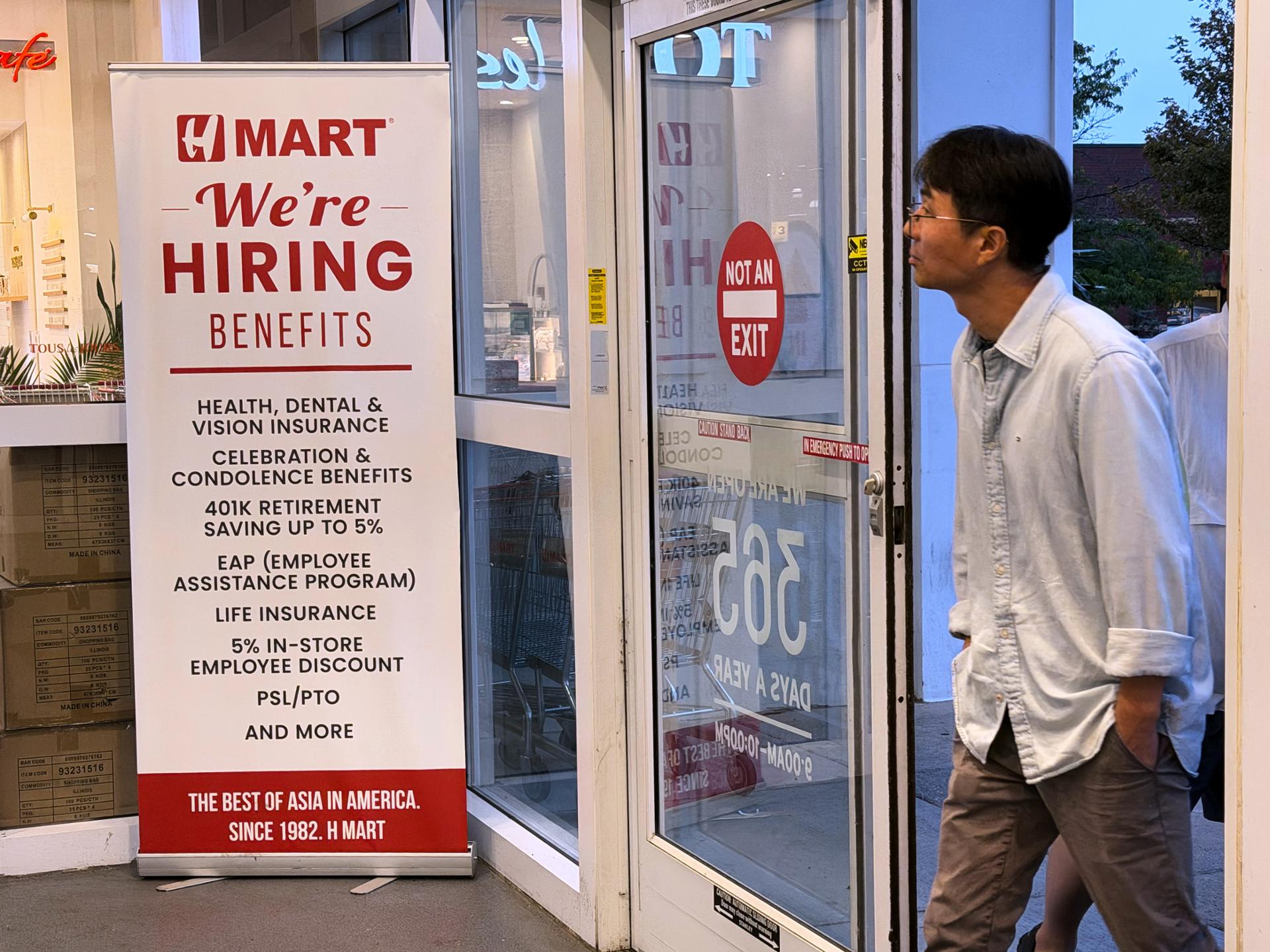
Markets began to recover from the initial sell-off as more favorable data and growing expectations of future rate hikes trickled in. Jobless claims for the week of Labor Day came in at 196,000, below the anticipated 207,000, indicating that the labor market remains robust and capable of absorbing the Fed's tightening measures without significant adverse effects.
Furthermore, other central banks, including the European Central Bank, the Bank of Japan, and the Bank of England, have also raised interest rates recently or signaled an increasing likelihood of hikes.
Written by urgent.news from Fortune's reporting — not their text. Machine-written — may contain errors; check the original before relying on it.