ISW: Putin frames predetermined Duma vote as referendum on Ukraine war
Russia’s State Duma elections, which begin on Sept. 18, have predetermined results. Dictator Vladimir Putin is framing them as a referendum on support for the war against Ukraine, the Institute for the Study of War (ISW) said in a Sept. 16 report.
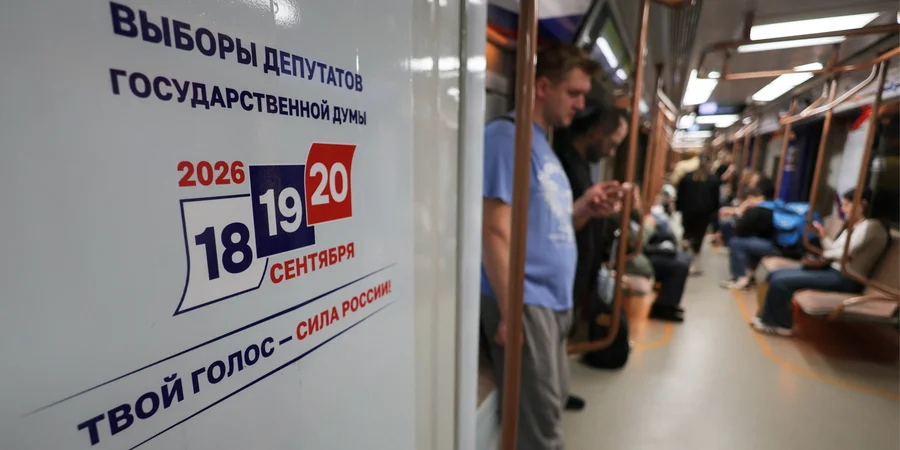
Russia’s parliamentary elections are scheduled for September 18-20, 2026, amid the ongoing war with Ukraine. Despite the challenging circumstances, including an energy crisis, battlefield failures, and fears of conscription, Russian President Vladimir Putin’s United Russia party is expected to win. The Kremlin has consistently used coercive tactics and pressure on various groups to ensure support for the government.
The real indicators of public support for the government are the vote margin for United Russia and the extent to which the Kremlin manipulates to maintain its two-thirds majority of parliamentary seats.
Russian citizens entering the polls are likely feeling pessimistic about the country's prospects due to the prolonged conflict in Ukraine, rising costs, higher casualty figures, inflation, and increasing unemployment. The Kremlin has managed elections covertly over the past two decades, employing tactics such as gerrymandering districts, redrawing urban districts to favor aging and supportive voters, and offering financial incentives.
However, this time, the Kremlin has refrained from offering financial incentives, and increasingly debilitating casualties and fuel shortages are hindering the harvest.
Despite these challenges, the Kremlin has opportunities to falsify the election without drawing attention. The election will be held over three days, allowing officials to monitor vote counts and adjust them discreetly. Many voters will also cast their ballots online, making it harder to detect manipulation. However, the number of independent observers will be limited, as the election watchdog GOLOS was disbanded due to Kremlin pressure, and European monitors were not invited to observe the election.
The Kremlin controls the candidates competing in the election, having created an artificial party system with 19 parties, only ten of which will be on the ballot. These ten parties are handpicked by the Kremlin and lack the capacity to challenge the government with opposition legislation or criticism. Most of these parties are present to provide the illusion of competition and absorb opposition votes, but they will not secure enough support to be seated in the Parliament.
Additionally, repression and disinformation have effectively eliminated non-partisan organized opposition. The Kremlin's dismantling of opposition figure Alexei Navalny's Anti-Corruption Foundation, which built a national organization to mount electoral challenges, is a prime example of its power. Navalny died in prison in 2024, and most of his regional leaders have been jailed.
The Kremlin-controlled Central Election Commission recently allowed the opposition party Yabloko to compete, but it subsequently reversed its decision and sentenced Lev Shlosberg, the second in command of Yabloko, to 11 years in jail. With Yabloko eliminated from the ballot, there is no anti-war party competing in the election, making it difficult to gauge public sentiment regarding the government's conduct of the war in Ukraine.
Written by urgent.news from The Conversation's reporting — not their text. Machine-written — may contain errors; check the original before relying on it.
This story
This is one outlet's version. Read the fullest account.