Is Japan’s Okinawa finally moving past anti-base politics?
Okinawa has handed a landslide victory to a conservative who accepts Tokyo’s plans for relocating a controversial US airbase – delivering a blow to 12 years of anti-base politics in Japan’s southernmost prefecture. Genta Koja’s victory on Sunday over two-term governor Denny Tamaki raised a question cutting to the heart of Okinawa’s post-war politics: is it finally starting to move on from the US…
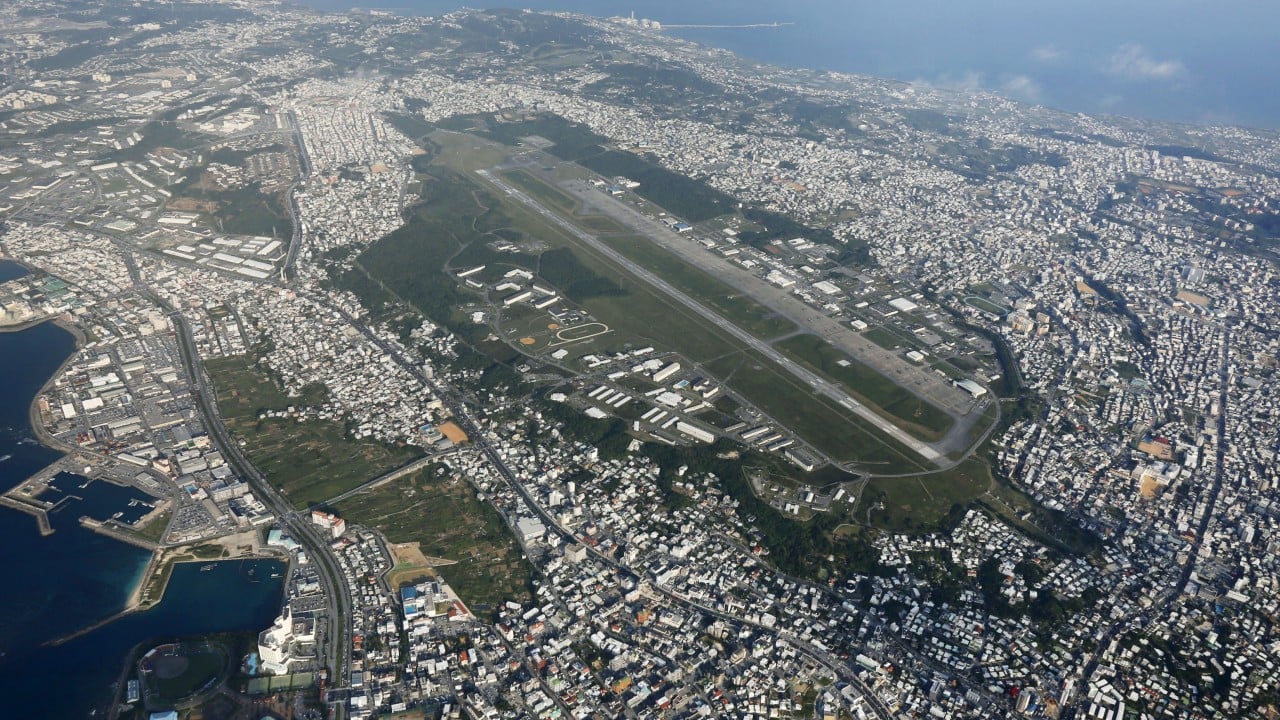
Okinawa's Okinawa has elected a conservative governor who backs the relocation of a US airbase, marking a significant shift from the 12 years of anti-base politics that characterized the prefecture. Genta Koja, the newly elected governor, will be the first in over a decade not to have built his career on opposition to US military bases.
The victory of Koja, backed by Prime Minister Sanae Takaichi's Liberal Democratic Party, has raised questions about whether Okinawa is finally moving past anti-base politics. While the base issue is not as prominent in voters' minds as economic revitalization, the outcome illustrates a generational divide. Younger voters, who make up nearly half of the electorate, were more concerned about the economy than the military base issue.
This shift in priorities could signify the emergence of a new form of politics in Okinawa, one that moves beyond the traditional left-right divide. Okinawa has long been seen as a bastion of pacifist, left-leaning opposition forces due to its hosting of roughly 70% of the land dedicated to US military facilities in Japan. However, the election results show that younger voters are now prioritizing economic concerns over the military base issue.
Takaichi's firm stance on national security, particularly her tough line on China, also resonated with Okinawan voters. The victory for Koja may signal a new direction for Okinawa's politics, with the prefecture expected to receive a boost in budget from the central government.
Written by urgent.news from South China Morning Post's reporting — not their text. Machine-written — may contain errors; check the original before relying on it.