Iran war drives Afghan migrants back to Taliban rule
For decades, Iran’s larger, industrialised economy offered Afghans refuge from poverty and Taliban rule, but the war and Iran’s economic collapse has forced many to return home.
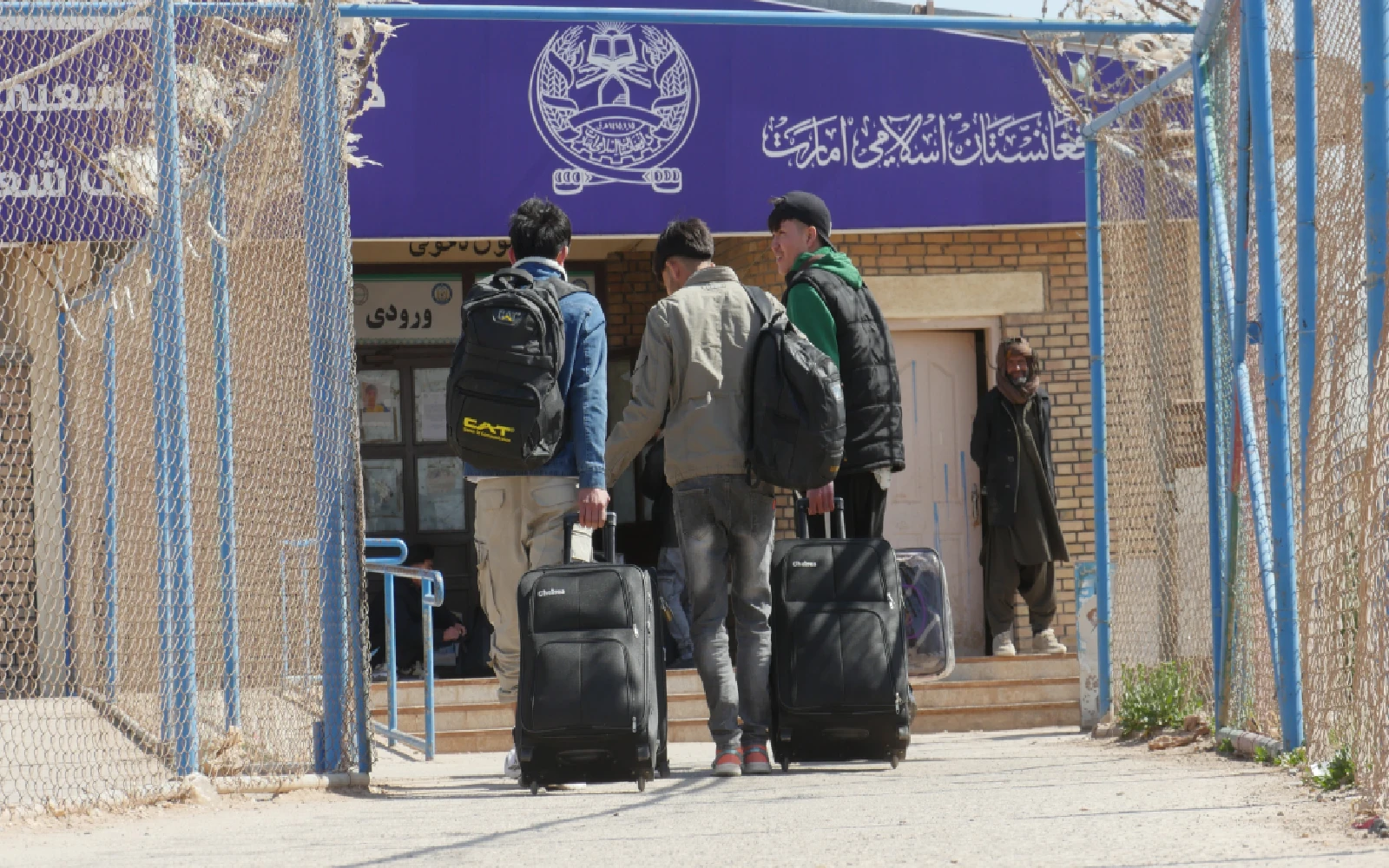
Mohammad Saeed, 18, and his family fled Afghanistan to Iran in 2021 when the Taliban regained power. They returned to Afghanistan recently due to the severe economic crisis in Iran, which has resulted from the conflict with the US and Israel. The Iranian currency lost over two-thirds of its value, wiping out the family's savings, held in Iranian rials.
Afghans have returned to Afghanistan despite the restrictions on women in the country, including curbs on education, travel, and employment. At the Islam Qala border crossing, a constant flow of returning migrants underwent document checks and registration formalities. The returnees faced a barren desert, a pothole-plastered highway, and a deteriorating road to Herat, the largest city in western Afghanistan.
Consumer prices in Iran have surged by nearly 90% year on year, and food inflation has been even higher at almost 130%. This has led to a collapse in consumer demand, with only day labor available, often at the same wages as one year ago. Only 29% of Afghans who recently returned from Iran had any savings left, with their average income falling by nearly one-third compared to pre-crisis levels.
More women and entire families are returning to Afghanistan compared to pre-crisis levels. Many Afghan mothers and their daughters faced an impossible choice: face poverty in Iran or return to a country where women face severe restrictions on travel, education, and employment. The Taliban's rules restrict women from traveling without male guardians and have barred them from some professions.
In Islam Qala, at least 20 to 40 families, including women and girls, return voluntarily each day. Afghan workers complained that their Iranian employers were withholding wages, and many had their money left behind after working in Iran's bazaars. In Iran, Saeed and his mother started a cheese business, but their wages were no longer sufficient to cover their basic living expenses.
Written by urgent.news from Free Malaysia Today's reporting — not their text. Machine-written — may contain errors; check the original before relying on it.
This story
This is one outlet's version. Read the fullest account.
- Impoverished by war in Iran, Afghan migrants return to Taliban rule al-monitor.com
- Iran war drives Afghan migrants back to Taliban rule freemalaysiatoday.com
- Impoverished by war in Iran, Afghan migrants return to Taliban rule nst.com.my