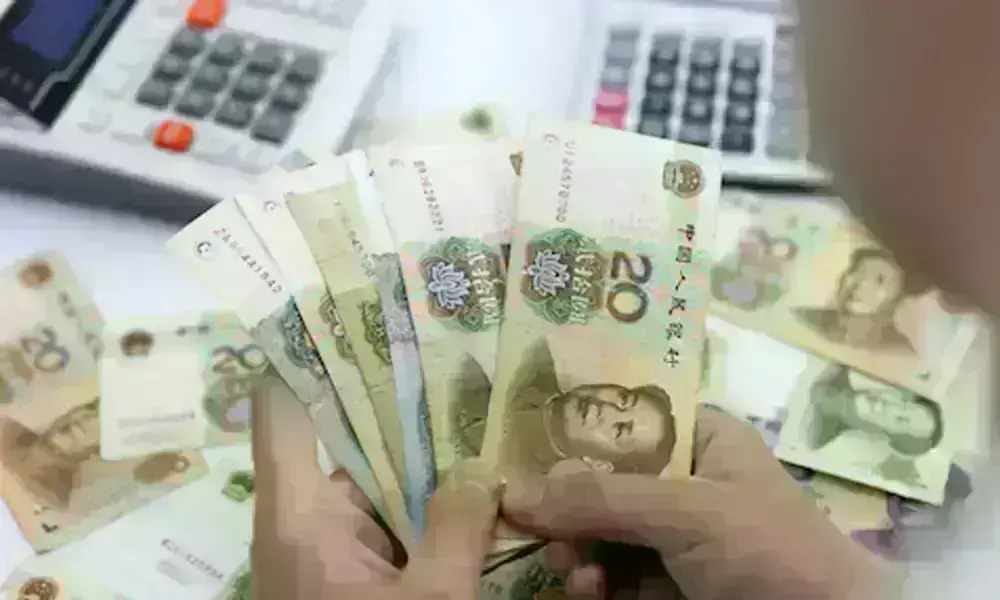
Indian rupee may need to weaken further as fundamentals shift, Axis Bank says
MUMBAI: The Indian rupee may need to weaken further to align with shifting trade fundamentals and relatively weaker productivity gains from artificial intelligence (AI), according to an Axis Bank assessment using a model that estimates the fair value of the currency based on external and domestic economic conditions.
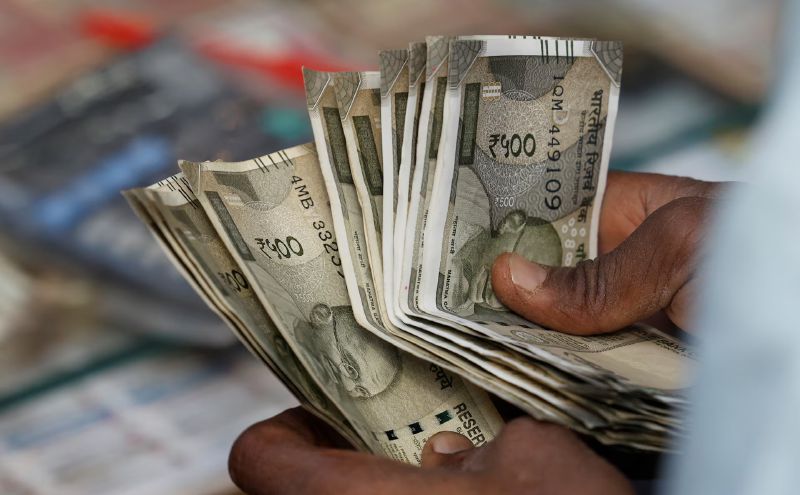
Mumbai-based Axis Bank has warned that the Indian rupee may need to weaken further amid shifting trade fundamentals and lower AI productivity gains. According to an assessment using the Fundamental Equilibrium Exchange Rate (FEER) model, the rupee appeared close to its fair value in March, but a surge in oil prices due to the Iran war and weaker AI productivity compared to other economies could require additional adjustment.
Economist Tanay Dalal estimates the rupee could depreciate to 97 by year-end and 100 by June 2027, weaker than forward markets suggest. The median forecast from polled economists is for the rupee to be between 95.25 and 96.80 over the next year. The rupee fell six percent year-to-date, ranking among Asia's worst performers.
India's basic balance, which omits foreign portfolio flows and central bank FX interventions, has been in a $180 billion deficit since mid-2023, while the current account deficit averaged 0.6 percent of GDP. The Reserve Bank of India has provided about $250 billion in support to the rupee during this period. Historically, India maintained a sustainable deficit of two percent, but it may have shrunk to zero, indicating the rupee can now handle smaller external imbalances without further depreciation.
Written by urgent.news from New Straits Times's reporting — not their text. Machine-written — may contain errors; check the original before relying on it.