How the Lotus Emira brought the British sports car maker back to its roots
For a certain generation growing up in Britain in the 1990s, Lotus occupied a strange place in the automotive imagination. Ferrari and Lamborghini were distant fantasies – all Italian excess, aspirational bedroom posters and impossible price tags. Lotus felt different. It was exotic, certainly, but somehow more eccentric and attainable. These were cars that seemed to have been built in a shed in…
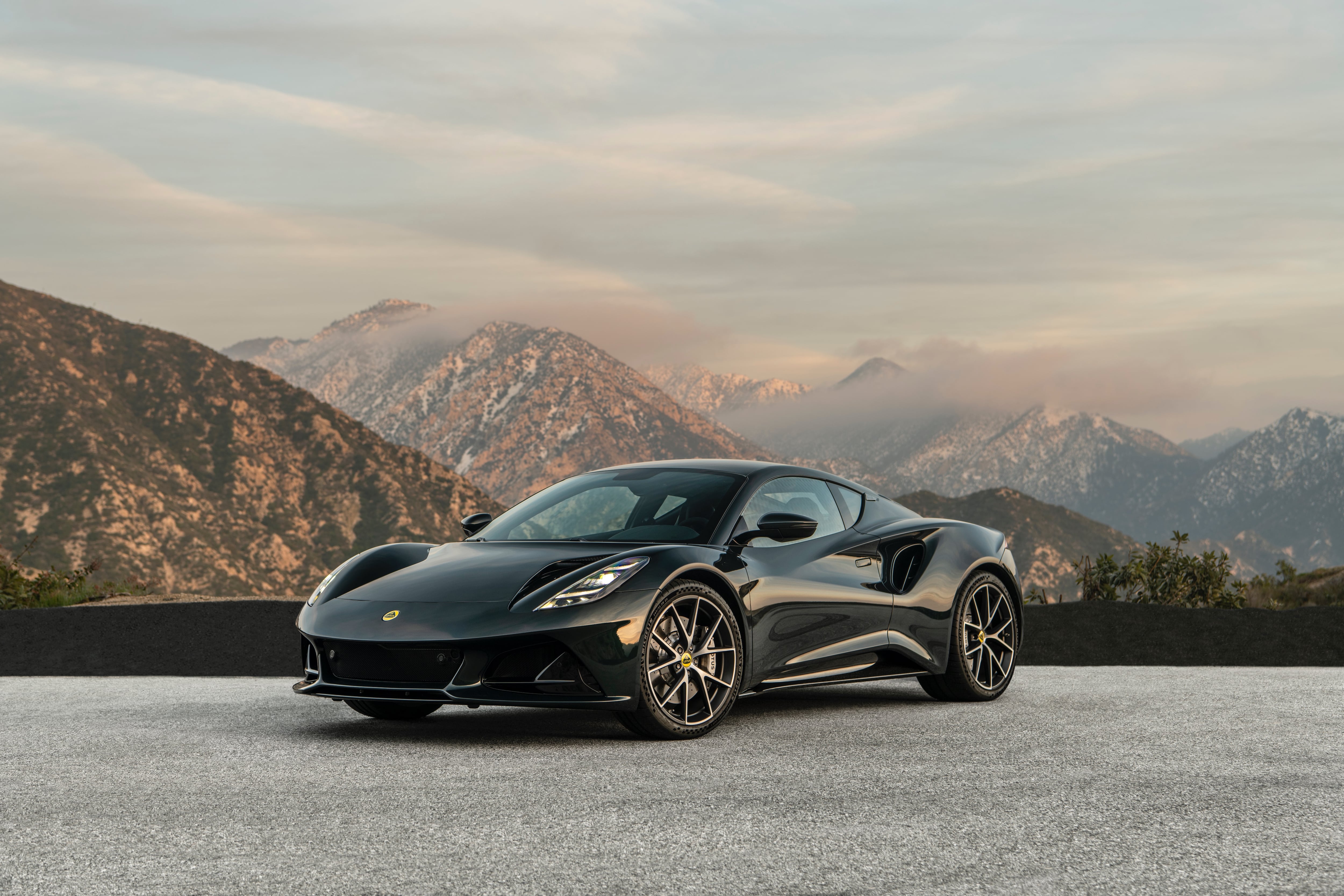
The Lotus Emira, a British sports car maker, has returned to its roots in a surprising way. For Britons in the 1990s, Lotus represented a unique blend of exoticism and attainability. The brand, known for its eccentric and innovative approach, produced cars that prioritized steering feel over amenities, often built in shed-like spaces by engineers determined to compensate for limited budgets. Lotus even contributed to pop culture with its appearance in the James Bond franchise, becoming a symbol of discerning cool.
Before the Emira, Lotus's most famous model was the Elise, a road-legal go-kart that captured the essence of the brand. In 2017, Geely acquired Lotus, intending to transform the brand into a global luxury maker. However, Geely's ambitious plans produced a range of expensive electric vehicles, including the large Eletre SUV, four-door Emeya grand tourer, and hypercar Evija. The Emira, launched in 2021, was intended to be Lotus's final petrol-powered car before fully embracing electric power.
Despite its high price tag, the Emira turned out to be a visually striking and engaging vehicle, defying expectations. Its low, mid-engined design, sculpted sides, and large air intakes made it appear like a supercar. Driving the Emira Turbo, a 2.0-litre turbocharged four-cylinder engine produced 360hp, providing thrilling performance without sacrificing handling.
The hydraulic steering, balanced chassis, and engaging driving experience contrasted with modern performance cars that often prioritize electronic sophistication over driver involvement.
However, the Emira's refined nature disappointed some, prompting a desire for more snarl and unpredictability, reminiscent of the brand's eccentric past. The company's original plan to focus solely on electric cars has softened, with Lotus now adopting a more balanced approach. The Emira is set to remain in production, alongside hybrids and a new electric model. The Type 135, originally envisioned as an electric successor to the Emira, will likely embody the next chapter in Lotus's history.
Written by urgent.news from The National Business's reporting — not their text. Machine-written — may contain errors; check the original before relying on it.
Also reported by 1 other outlet
- How the Lotus Emira brought the British sports car maker back to its roots thenationalnews.com