How Are Colombia’s Reservoirs Holding Up as El Niño Approaches?
Colombia is facing a new period of pressure on its water resources as the El Niño phenomenon enters its most intense phase. Although the drought that has accumulated over the past several months has raised concerns about water availability and power generation, the country’s reservoirs remain at nearly 80% of their total capacity, a figure […]
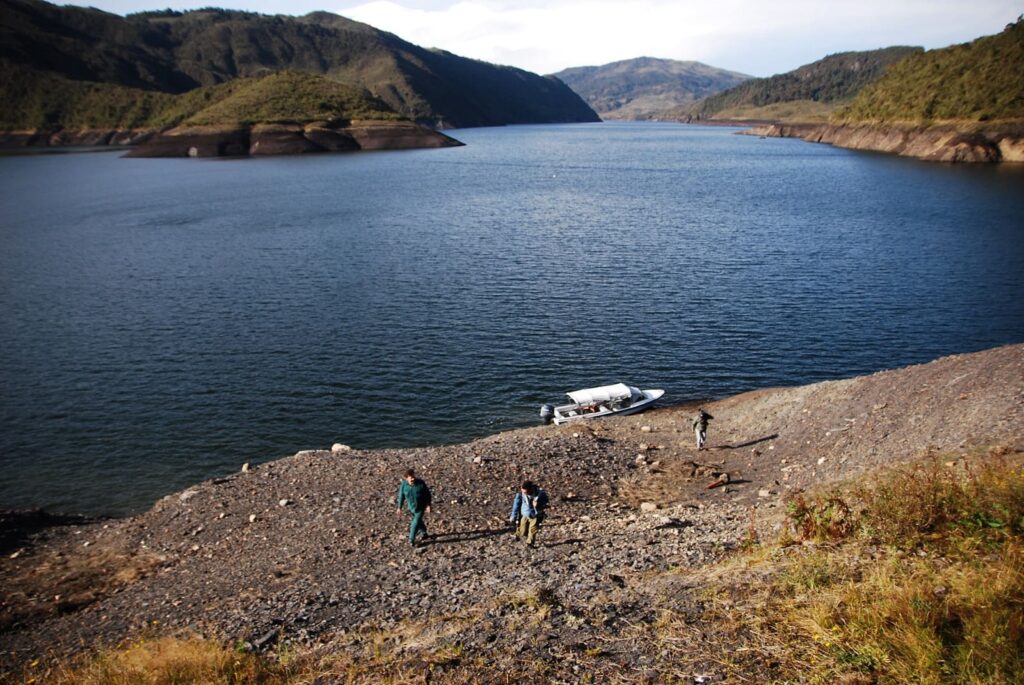
As the intense phase of El Niño begins, Colombia's reservoirs are facing fluctuations in water storage. Despite concerns over water availability and power generation, the country's reservoirs currently hold nearly 80% of their total capacity, offering a buffer against adverse weather. However, this storage figure varies across regions.
While some areas maintain sufficient reserves to withstand the dry period, others are struggling due to lower rainfall and increased pressure on their reserves. The evolution of reservoir levels will be vital in determining Colombia's ability to maintain water supply and hydroelectric power during the most challenging months of the climate phenomenon.
The national aggregate reserve figure is a key indicator of the electricity system's resilience to a season of reduced rainfall. Currently, reservoirs in the National Interconnected System are at 79.67% of capacity, a significant figure considering Colombia's heavy reliance on hydroelectric power generation. This storage level allows for control of electricity production as water inflows into rivers and reservoirs decline, serving as a buffer to meet demand during dry conditions.
However, this national percentage is an average that combines reservoirs with varying characteristics, capacities, and hydrological conditions. A figure near 80% does not guarantee sufficient reserves in all regions or eliminate the risk of water supply difficulties. Certain areas experience storage problems due to insufficient rainfall, leading to reduced inflows and heightened pressure on available reserves.
Regional analysis highlights the need for particular attention to water supplies in areas such as the Andean region, where the Bogota watershed, including the Chingaza system, is crucial. Additionally, reservoirs supplying water for power generation in central and northern regions must be monitored, as reduced water inflows may necessitate adjustments to power plant operations and increased reliance on alternative energy sources.
El Guavio Reservoir, located near Bogotá, currently has the highest water reserves at 97.9%, but this individual storage percentage must be cross-checked with operational reports to pinpoint critical areas with the lowest reserves. While the overall high levels of Colombian reservoirs are encouraging, continued monitoring is essential to ensure the country avoids water shortages if the drought persists.
Written by urgent.news from Colombia One's reporting — not their text. Machine-written — may contain errors; check the original before relying on it.