Houthi attacks on holy sites contradict resistance claims, says analyst
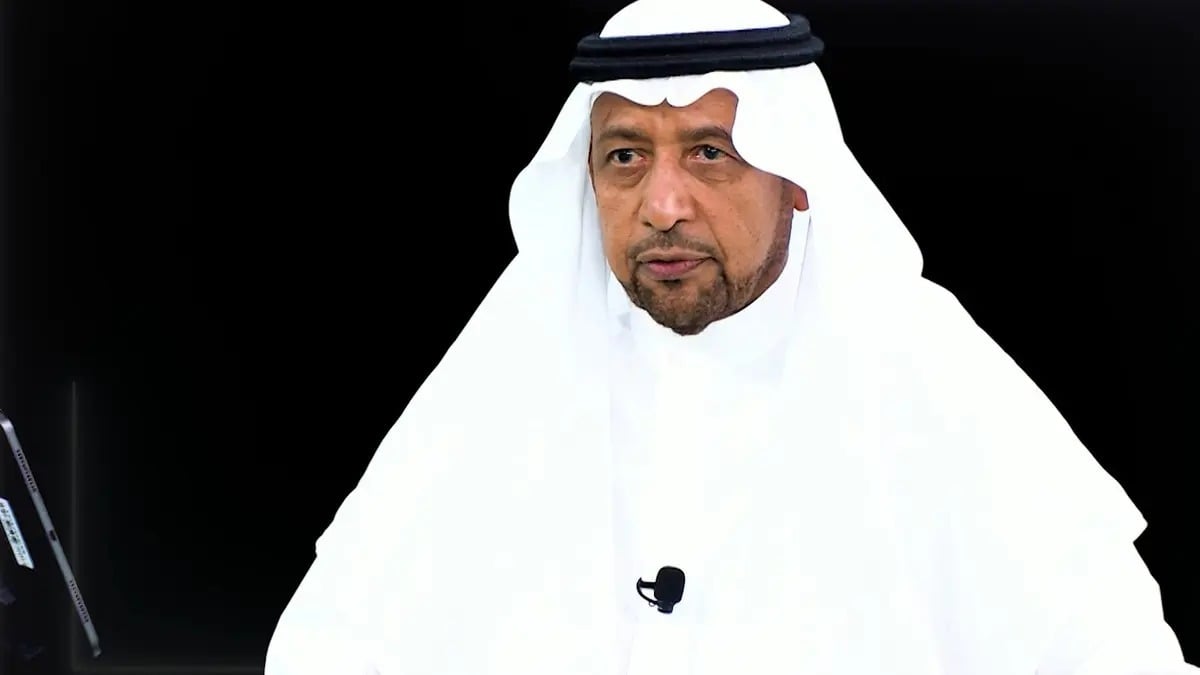
Political analyst Khalil Al-Khalil says Houthi attacks on Islam’s holiest sites undermine their resistance rhetoric and have sparked broad Islamic solidarity with Saudi Arabia.
Recent Houthi advances in Yemen have caught Saudi Arabia and the Middle East off guard. It appears that the Saudi-Pak-Turkey defensive pact may be facing challenges due to these attacks. Some commentators suggest that this could be a misunderstanding of the situation. Several articles discuss this topic. NDTV and Ynet News report that the Houthis have exposed the Saudi-Pak-Turkey pact, while Al Jazeera questions the future of the agreement.
Middle East Eye wonders why the Mecca defense pact hasn't led to action against the Houthis, noting that a Turkish official argues the alliance needs time to become operational. Jacobin argues that the Mecca Agreement is a response to insecurity and waning American power in the region, similar to NATO. In recent months, talks have surfaced about other countries joining the pact, but this may complicate relations, according to experts.
Pakistan faces pressure to choose sides as tensions with the Houthis escalate. The assumption that the Mecca pact could lead to Turkey and Pakistan fighting the Houthis may be a misreading of the alliance's purpose. It is a defensive alliance, and Saudi Arabia intervened in Yemen in 2015, making it more about self-defense than a defensive war.
Furthermore, the war had already begun when the pact was signed, and Saudi Arabia and Pakistan were already collaborating on defense issues. Comparing the Mecca Joint Defense Agreement to NATO, it may be useful to examine NATO's role in past conflicts. The alliance was founded in 1949 to counter the Soviet Union, but it did not intervene in Vietnam, the Falklands War, or Northern Ireland.
In the case of Yemen, Saudi Arabia is backing the internationally recognized government, similar to the US supporting South Vietnam. The Houthis, akin to the Viet Cong, are challenging Saudi forces, requiring a long-term strategy rather than immediate deployment from allies. Saudi Arabia may benefit from Turkey and Pakistan's advice, but their track records in resolving conflicts are limited.
Ultimately, Saudi Arabia must clarify its policy to determine the effectiveness of these partnerships.
Written by urgent.news from Jerusalem Post's reporting — not their text. Machine-written — may contain errors; check the original before relying on it.
This story
This is one outlet's version. Read the fullest account.
- Is the Saudi defense pact misunderstood amid Houthi attacks? - analysis jpost.com
- Five killed in Houthi, Yemen govt, Saudi Arabia attacks rte.ie
- Civil Defense: One killed, two injured as Houthi drone intercepted in Taif saudigazette.com.sa
- China urges Iran to help halt Houthi attacks dailytimes.com.pk
- One killed, two injured as hostile drone debris falls in Taif english.ajel.sa