Global warming increased flash flood risk in Nepal: Analysis
dpaLondonGlobal warming likely contributed to the deadly flash flood in the Himalayas in August, according to an analysis by the research initiative World Weather Attribution (WWA)...
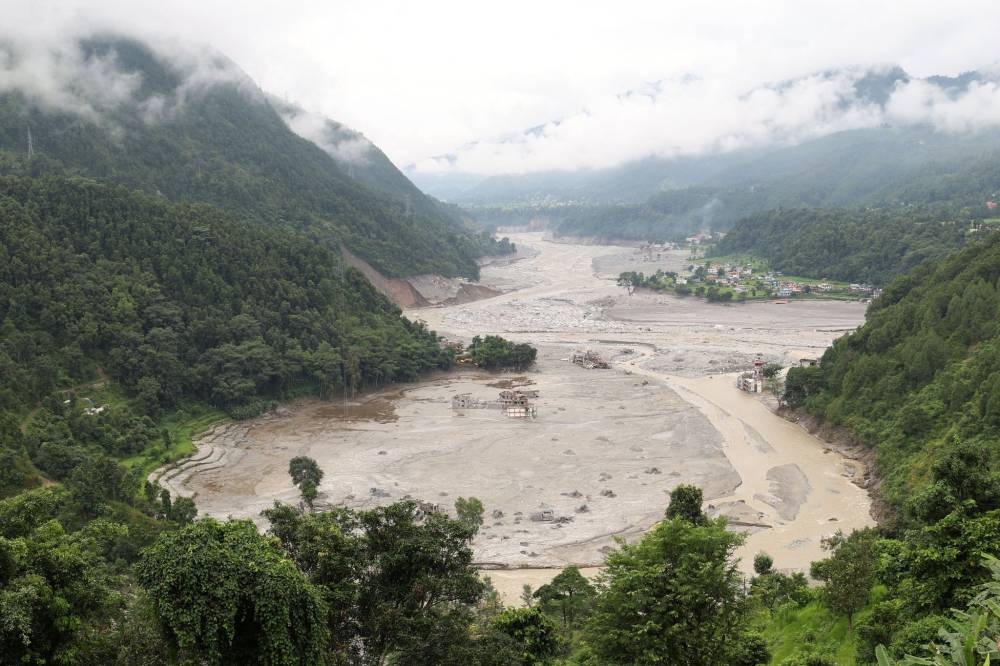
A deadly flash flood that killed at least 1,400 people and left over 5,000 missing in the Himalayas in late August was likely exacerbated by global warming, according to a recent analysis by the research initiative World Weather Attribution (WWA). The disaster occurred after a large section of a mountain, including a glacier, collapsed in the Nepal-China border region, triggering a rock-ice avalanche, debris flood, and ultimately a water-dominated flash flood that traveled downstream at an average speed of 188 kilometres per hour.
While the WWA acknowledged that climate change was not the sole cause of the disaster, it identified it as a destabilizing factor that may have weakened the rock years prior to the collapse. Previous factors such as a major earthquake in Nepal in 2015, warmer temperatures, and increased meltwater may have contributed to this geological predisposition.
According to the analysis, climate change has been causing glaciers in the region to lose mass at an alarming rate, averaging over half a meter of thinning per year. Despite Nepal having early warning systems for flooding, the August incident exceeded their capabilities.
Written by urgent.news from Qatar Tribune's reporting — not their text. Machine-written — may contain errors; check the original before relying on it.
Also reported by 2 other outlets
- Four bodies found in Nepal tunnel as flood search continues aljazeera.com
- Nepal flood death toll surges to 1,410 economictimes.indiatimes.com