General Motors continues CarPlay backtrack on two truck models
General Motors has revealed a CarPlay compromise on two truck models, as it seemingly continues something of a backtrack on its decision to withdraw support for the feature. A new report indicates that the automaker is creating a truck-specific interface that includes CarPlay … more…
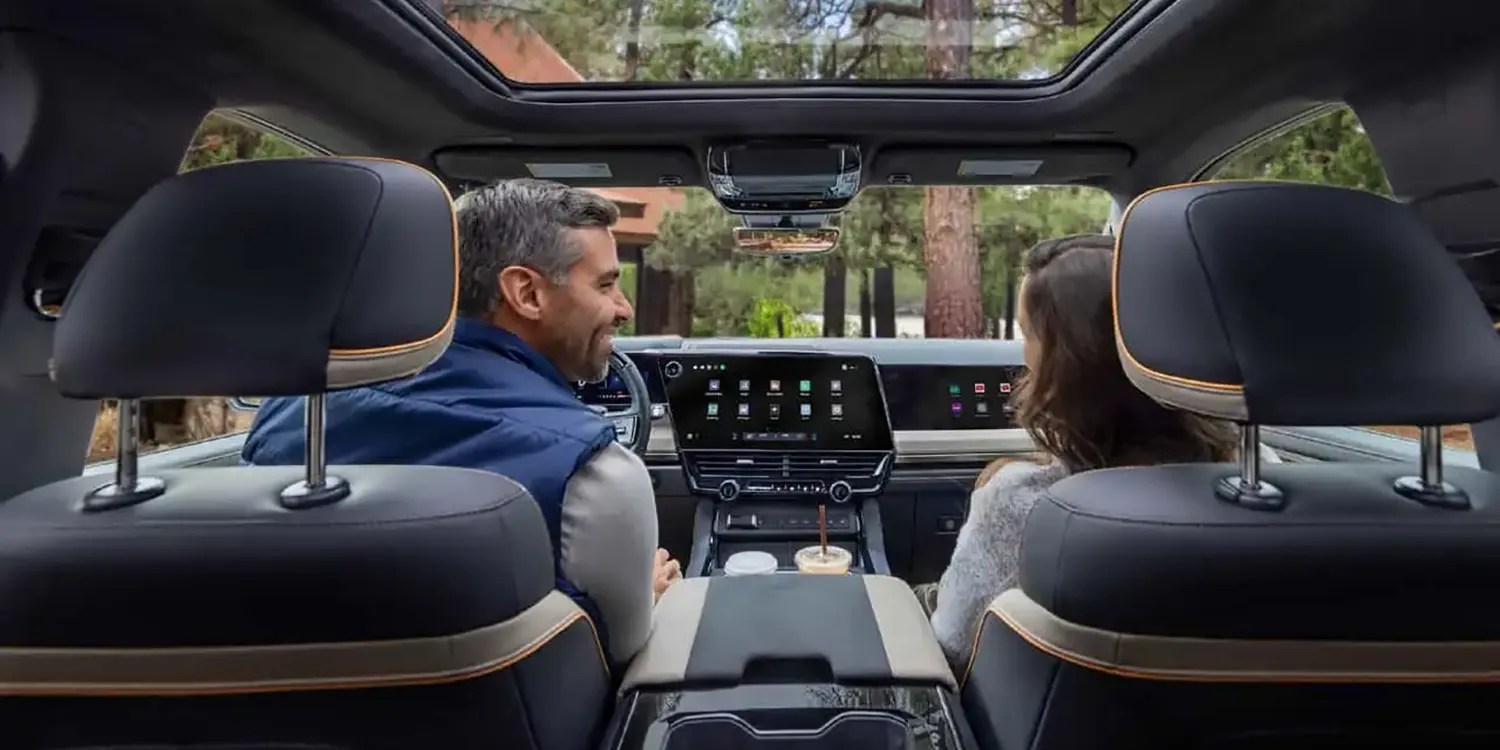
General Motors (GM) has announced a backtracking on its decision to withdraw support for CarPlay in two of its truck models, according to a new report. It appears that the automaker is developing a truck-specific interface that incorporates CarPlay. This development comes after GM first announced its withdrawal of CarPlay support in all future electric vehicles (EVs) in 2023, citing numerous convoluted explanations.
The move left many customers disappointed, with several expressing their intention to never purchase another GM vehicle while the policy was in effect.
Interestingly, GM seems to have made an exception for one of its most expensive luxury EVs, where no explanation has been provided for this anomaly. The latest report from TNW indicates that GM is creating a new infotainment interface for trucks, which includes support for both CarPlay and Android Auto. However, the catch is that these interfaces do not take over the entire display. GM is reportedly rebuilding the interface in its trucks, providing Apple CarPlay and Android Auto a dedicated space beside its native apps.
The layout is designed to be split by default, allowing multiple apps to be visible simultaneously. This approach appears to be aimed at addressing customer concerns about having to navigate through too many steps to access desired functions. GM has not provided any further clarification regarding the apparent exception, instead stating that the decision aims to prevent customers from having to go through an excessive number of steps to use the desired applications.
The report also highlights the growing concerns among governments regarding the reliance on touchscreens for important car controls, such as the horn, wipers, and hazard lights. Both the European Union (EU) and China have recently implemented regulations requiring a number of essential controls to be physical to reduce the time drivers spend looking at their vehicles rather than the road.
Written by urgent.news from 9to5Mac's reporting — not their text. Machine-written — may contain errors; check the original before relying on it.