Gender Ministry tasks women in media to drive Affirmative Action Act implementation
The Ministry of Gender, Children and Social Protection has called on women in the media to play a leading role in educating the public, monitoring compliance and keeping institutions accountable for the implementation of the Affirmative Action (Gender Equity) Act, 2024 (Act 1121).
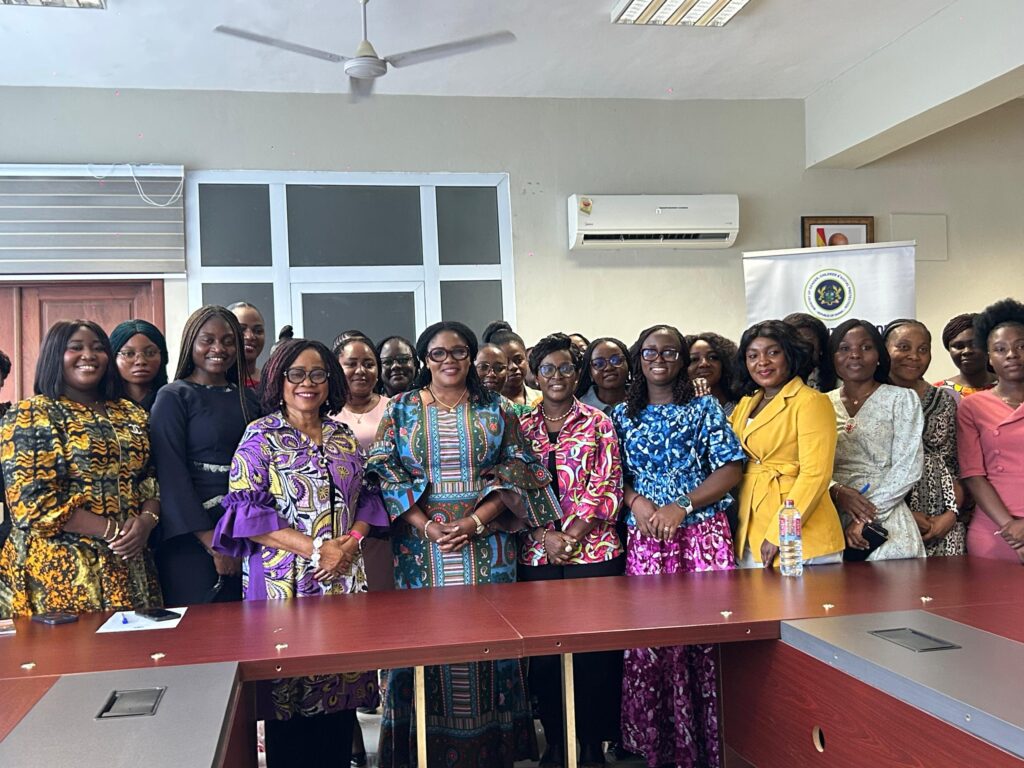
The Ministry of Gender, Children and Social Protection has assigned women in media a crucial role in implementing the newly passed Affirmative Action (Gender Equity) Act, 2024 (Act 1121). This directive was communicated during a capacity-building workshop for women in the media held on September 17. The workshop aimed to enhance the participants' understanding of the Act and equip them with the skills to report on gender equity issues accurately, fairly, and sensitively.
Minister for Gender, Children and Social Protection, Dr Agnes Naa Momo Lartey, emphasized that the media's responsibility in this matter is central to the Ministry's work. She underscored that the transition from advocating for affirmative action legislation to ensuring its effective implementation has shifted focus. "What we want to see is the impact," she stated, stressing the importance of demonstrating tangible results from the Act's implementation.
Dr Lartey encouraged women in media to lead the public education campaign, stressing that this is not merely a women's issue but a national development concern involving men and other stakeholders. She highlighted the need for the Act's implementation to reach the community level, adding that it must also garner international attention to Ghana's efforts in promoting women in leadership.
The Minister acknowledged the ongoing struggle to achieve gender parity, particularly in elected political positions, pointing to Parliament and local government as areas needing improvement. She emphasized the significance of early action, especially in light of the upcoming elections, as opportunities to increase women's representation in elected positions may not be available later.
Public education was deemed crucial, as some women may become comfortable with existing arrangements that do not see the alternatives. By exposing women and girls to various possibilities, Dr Lartey argued, they could become more aware of their potential contributions to society. She assured the participants that the Ministry would collaborate with them and other stakeholders to translate the law into practical outcomes for every woman, man, and child in Ghana.
Dr Mariam W.A. Kpakpah, the Chief Director of the Ministry, explained that the Act mandates 30 percent representation of women in public institutions, on boards, and within private institutions. The Ministry has initiated sensitization and dissemination activities, targeting women in the media due to their broad reach. She also mentioned that the Ministry would monitor the Act's implementation and collect information from stakeholders by the end of the year, issuing certificates to assess progress.
Dr Charity Binka, the Chair of the African Women Leaders Network (AWLN), acknowledged the years of advocacy leading to the Act's passage and urged the media to recognize the law's importance, as it is the result of sustained efforts over 13 years.
Written by urgent.news from MyJoyOnline Ghana's reporting — not their text. Machine-written — may contain errors; check the original before relying on it.