Flooded market leaves pioneering WA abalone ranch close to the end
Rare Foods Australia winds down operations amid a Chinese supply glut and falling prices for abalone, after once being the biggest employer in the WA seaside town of Augusta.
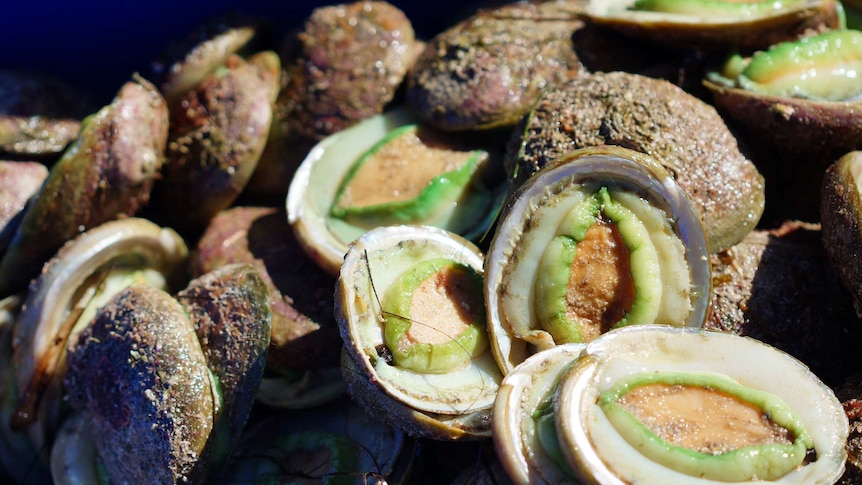
Rare Foods Australia, once the largest employer in Augusta, is winding down its operations due to mounting losses. The company, founded in 2011, was a trailblazer in ocean-ranching abalone production in Western Australia's southern coast. However, the global demand for abalone, primarily driven by Chinese consumption, has plummeted, causing the export price to halve in recent years.
Brad Adams, the long-time managing director of Rare Foods Australia, attributed the decline to the explosive expansion of China's farmed abalone industry. He explained that the company's revenue once averaged between $55 to $60 per kilogram, but now, ranch-grown abalone sells for approximately $30 to $35 per kilogram. The drastic shift in the market has left Rare Foods Australia with annual losses of $4,833,469 and halved its net assets from $9.6 million to $4.7 million.
Facing financial hardship, the company decided to restructure its workforce and cut operating expenses. By June, Rare Foods Australia had removed itself from the Australian Securities Exchange to minimize the costs associated with maintaining an ASX listing. Moreover, the company ceased seeding juvenile abalone into its artificial reefs in Augusta.
Adams acknowledged the significant challenge faced by regional fishing towns that depend on the abalone industry. He encouraged these communities to adapt to changing global markets, stating that sometimes, despite the difficulty, adaptation becomes necessary. Meanwhile, other major players are exiting Australia's aquaculture industry, further exacerbating the flooded Chinese market.
The Chinese industry has grown to produce approximately 200,000 tonnes of abalone annually, causing a flood of supply in the Chinese market. As a result, Rare Foods Australia is not the only business exiting the Australian seafood industry. In the past two years, two Tasmanian farms, including one operated by Yumbah Aquaculture, closed due to the challenging conditions. Additionally, plans for establishing another abalone ranch and aquaculture precinct near Esperance have been halted.
Peter Bednall, the chief executive of the Esperance Tjaltjraak Native Title Aboriginal Corporation (ETNTAC), expressed concern over the industry's future potential. He acknowledged that the project required substantial capital investment but stressed the importance of providing opportunities for young people in regions like Augusta to develop their expertise in various fields.
Written by urgent.news from ABC News AU's reporting — not their text. Machine-written — may contain errors; check the original before relying on it.