Fed rate hike FAQs: Credit cards, mortgages, car loans, savings explained
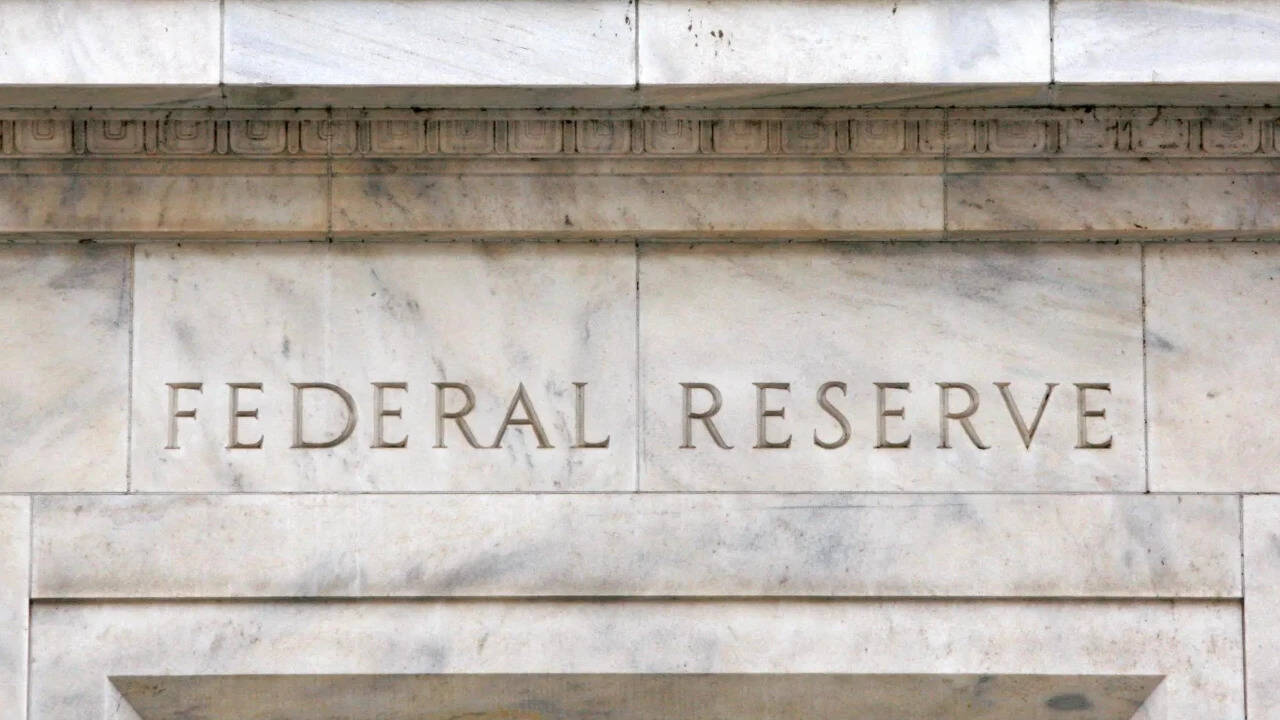
The US Federal Reserve has increased its interest rate by 0.25 percentage points, bringing the range to 3.75%-4%. This is the first rate hike since summer 2023, aimed at combating high inflation. What does this mean for consumers?
Credit card interest rates are likely to rise, as most cards have variable rates tied to the prime rate, which follows the Fed's benchmark. Consumers with credit card debt may see their interest costs increase slightly, though the impact will be relatively modest. However, repeated rate hikes could lead to significantly higher borrowing costs over time.
Mortgage rates are not directly determined by the Fed but typically follow the yield on 10-year Treasury notes. These yields have already risen above 5%, putting pressure on the housing market as sales of existing homes fell for a third consecutive month in August.
Existing homeowners are generally not directly affected by the rate change unless they have adjustable-rate mortgages. Those with adjustable-rate mortgages could see their rates rise, potentially adding to their monthly payments.
Car loans may also become more expensive, as the Fed's rate hike indirectly influences auto-loan rates through changes in banks' prime rates. With car loan rates already high, further increases could make vehicle purchases more burdensome.
On the bright side, savers could potentially benefit from higher interest rates on savings accounts and CDs, although the Fed does not directly set these rates. During previous rate hikes, the average rate on a one-year CD climbed from just 0.15% in March 2022 to 1.88% by September 2024. However, online banks and high-yield savings accounts may offer more competitive rates.
While a single 0.25 percentage-point hike may not dramatically change household finances, repeated increases can have a significant impact. As LendingTree's Matt Schulz noted, "People’s financial margin for error is generally pretty small."
Written by urgent.news from Times of India's reporting — not their text. Machine-written — may contain errors; check the original before relying on it.