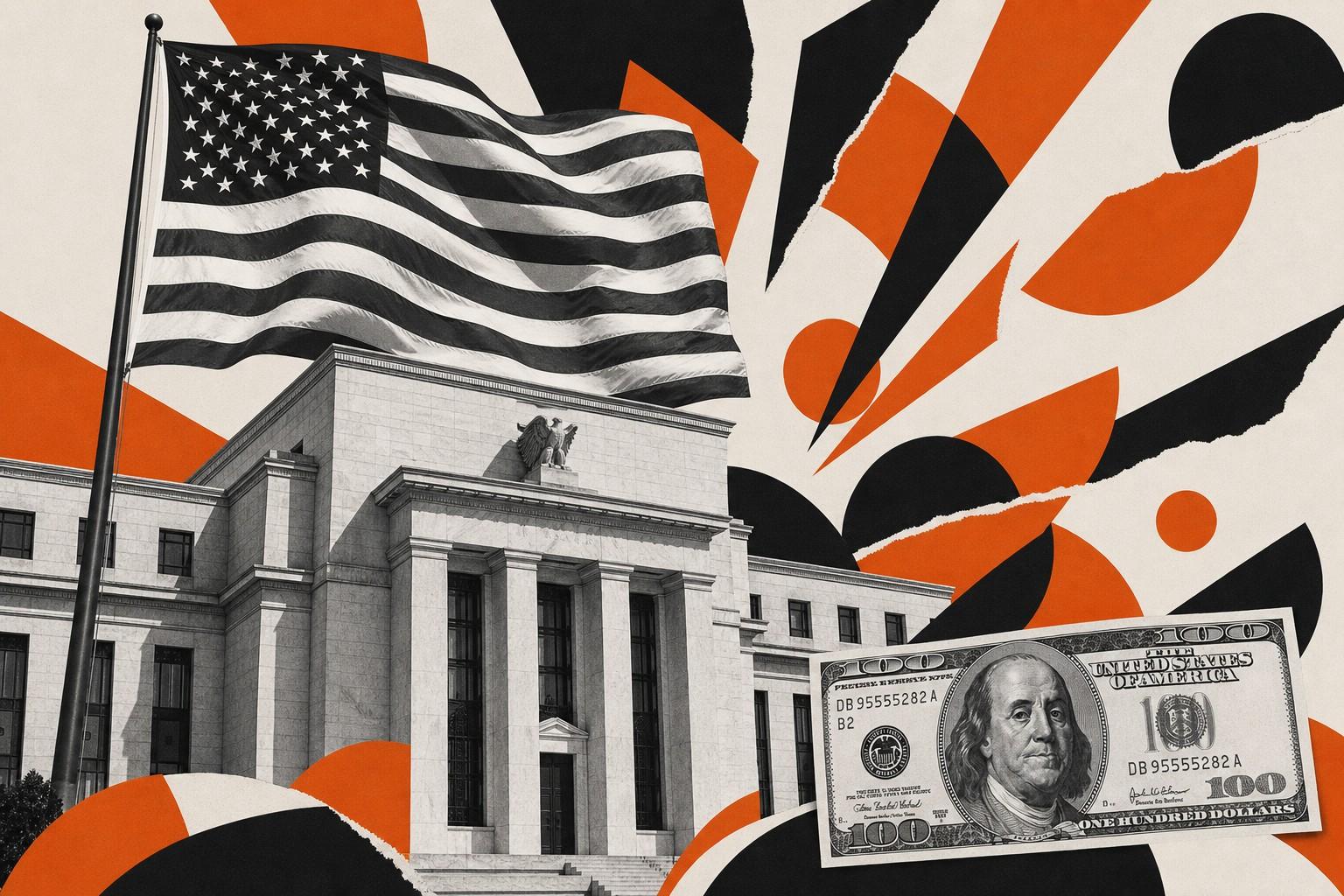
Fed raises interest rates by 0.25 percentage points.
The Corner Francisco Uría (Spanish Institute of Analysts).At the Federal Reserve’s Federal Open Market Committee (FOMC) meeting held on September 15–16, 2026, it was decided to raise the target range for the federal funds rate by 25 basis points to 3.75%–4.00%. The decision was adopted unanimously, with a vote of 12 in favor and zero against. This marks the Federal Reserve’s first rate hike since…
The US Federal Reserve has increased interest rates by 25 basis points to a range of 3.75-4% in an effort to combat persistent inflation. This marks the first rate hike by the Federal Open Market Committee (FOMC) since 2023. The decision was unanimous among the 12 voting governors, who felt inflation had been "too high" for "too long."
Chair of the Federal Reserve Jerome Powell (Warsh) emphasized proactive measures to bring inflation back to the target of 2% over the longer term, measured by the personal consumption expenditures price index.
The move has far-reaching implications beyond the United States. A stronger US dollar resulting from higher interest rates can put pressure on Asian currencies and financial markets. Asian central banks are closely monitoring the situation, as elevated US rates can make dollar-denominated assets more attractive to investors, potentially leading to capital outflows from Asia and putting further pressure on regional currencies.
While inflation has softened from its peak levels, it remains elevated enough to warrant additional tightening by the FOMC. US policymakers believe the economy can withstand higher borrowing costs while they focus on reducing inflation. However, the Fed must carefully balance its goal of stable prices with its mandate to support maximum employment.
For Asia, the Fed's decision could lead to stronger US dollar appreciation and tighter financial conditions, particularly for those with dollar-denominated debt. Higher interest rates may make some US assets relatively more attractive, potentially drawing capital away from Asia. Nonetheless, BlackRock's Asia Pacific head of global fixed income Navin Saigal believes the Fed's hike is a response to a strong and resilient US economy, which should remain supportive for global activity, trade flows, and corporate fundamentals across Asia.
Written by urgent.news from Channel News Asia's reporting — not their text. Machine-written — may contain errors; check the original before relying on it.
This story
This is one outlet's version. Read the fullest account.
- CNA Explains: Why is the Fed raising interest rates again - and what does it mean for Asia? channelnewsasia.com
- US Fed increases interest rates: Will SA households feel the pain next week? citizen.co.za
- Trump blasts Fed over interest rates cbsnews.com
- The Fed raises interest rates. And, EU proposes Canada become an 'associate member' npr.org
- Why the Bank of England Didn’t Follow the Fed in Raising Interest Rates wsj.com