Exotic pet trade poses rising zoonotic disease risks in India
In India, the exotic pet trade is increasing the risk of zoonotic disease spillovers, as close contact with imported wild animals creates repeated opportunities for dangerous pathogens to jump to humans and vice versa, reports Mongabay India’s Arathi Menon. Dr. Rina Dev, an avian and exotic animal veterinarian in Mumbai who treats imported and seized […]
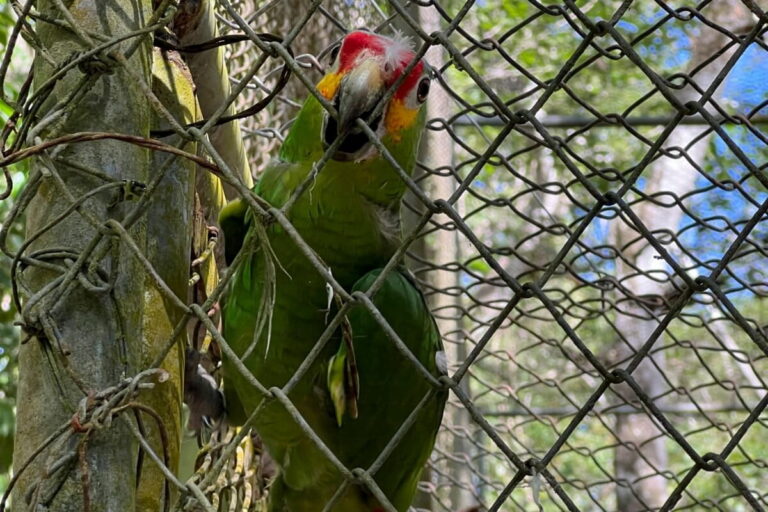
The exotic pet trade in India is heightening the threat of zoonotic disease spillovers, according to Mongabay India's Arathi Menon. Close interaction with imported wild creatures provides ample chances for harmful pathogens to transmit between humans and animals, as Dr. Rina Dev, an avian and exotic animal veterinarian in Mumbai, discovered.
Dev contracted a lung infection and feared it might have been caused by the parrots she was treating. She emphasized that diseases like avian chlamydiosis, or bird handler's disease, are frequently contracted by individuals handling birds. These traded animals can harbor various infections, such as salmonellosis from reptiles, tuberculosis from primates, and avian influenza from birds.
Dr. Dev pointed out that tuberculosis is being increasingly detected in primates, posing a significant zoonotic concern. Uttara Mendiratta, a conservation researcher focusing on illegal wildlife hunting and trade, noted that disease transfer between humans and primates is particularly easy due to our close biological relationship.
For instance, Ebola and HIV can be transmitted from nonhuman primates to humans. Furthermore, traded mammals are 1.5 times more likely to share pathogens with humans compared to nontraded mammals, with the likelihood of pathogen sharing increasing by one for each decade an animal is traded.
Written by urgent.news from Mongabay's reporting — not their text. Machine-written — may contain errors; check the original before relying on it.