Earth’s freshwater reserves shrinking as water cycle grows more erratic, UN warns
GENEVA, Sept 17 — The planet’s water cycle is becoming increasingly erratic, swinging between too litt...
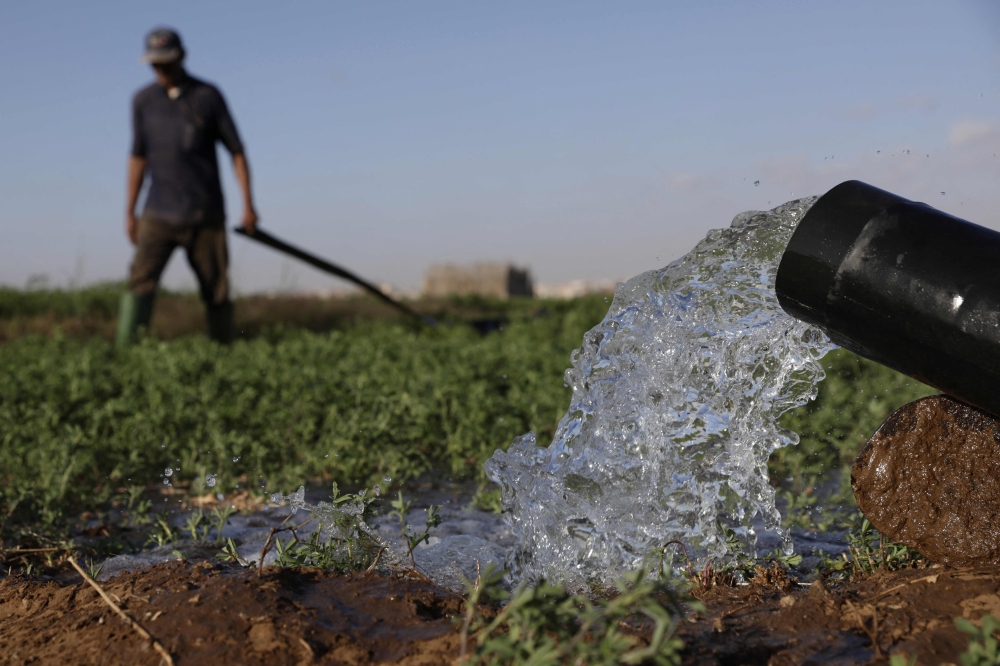
Geneva, September 17 - The United Nations reported Thursday that Earth's water cycle is growing increasingly erratic, with a projected stronger-than-ever El Nino expected to intensify the long-term trend. The World Meteorological Organization's (WMO) annual State of Global Water Resources report highlighted that last year was one of the driest in rivers over the past three decades, and glaciers across all regions are rapidly melting in 2025, a year that has been among the warmest ever recorded. Groundwater levels also continue their multi-year decline in many parts of the world.
According to the report, the total amount of water stored in the Earth's freshwater reserves—groundwater, lakes and rivers, soil moisture, vegetation and ice and snow—has been declining for a decade. Certain aspects of the water cycle, such as precipitation, river flow and soil moisture, change rapidly in response to weather within days or weeks.
However, "slow reserves" like groundwater and glaciers, which traditionally acted as a buffer against droughts and dry seasons, are being depleted. WMO Secretary-General Celeste Saulo expressed concern over the depletion of these reserves, stating that they are being spent, much like a savings account.
The report estimated that glaciers lost a total of 1,400 gigatonnes of water from 2023 to 2025, equivalent to the water needed to fill 560 million Olympic-sized swimming pools, or about a third of the world's annual freshwater withdrawals. Groundwater conditions in nearly two-thirds of monitored wells worldwide were outside of historical norms in 2025. These conditions were observed alongside more frequent water-related disasters.
During the current El Nino period, the strongest in four decades, rivers worldwide are experiencing "abnormal" flows, with 2025 among the three driest years in the last 35 years. Only around 36% of river basins globally saw normal conditions in 2025, while 21% experienced above-normal discharge. The WMO emphasized the need for comprehensive data to monitor these developments, warning that significant gaps remain in affected areas.
Saulo stressed the importance of shared data, standards, and early warnings, noting that water resources cross borders and can have devastating impacts in neighboring countries.
Written by urgent.news from Malay Mail's reporting — not their text. Machine-written — may contain errors; check the original before relying on it.