Dubai cyber chief urges public to be vigilant over AI-powered deepfake threat
People can no longer rely on poor spelling or suspicious-looking messages to identify fraud , cyber experts have warned. Deepfakes , phishing and voice cloning are among the threats becoming more sophisticated as criminals use AI to gather information about potential victims and create convincing messages, calls and videos. Amer Sharaf, chief executive of the Cyber Security Systems and Services…
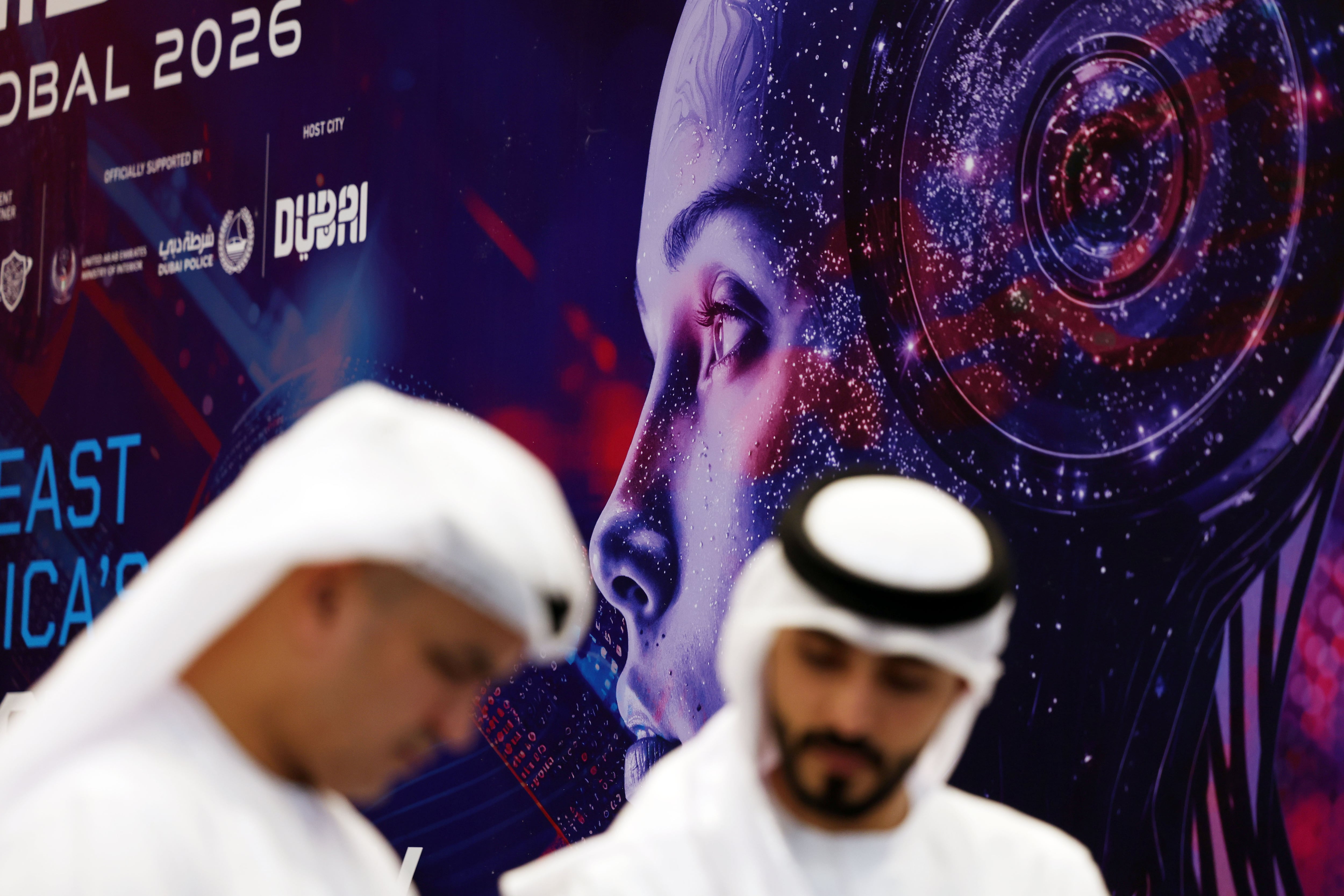
Dubai's cyber chief, Amer Sharaf, is urging the public to remain vigilant against the growing threat of AI-powered deepfakes. These artificial intelligence-generated fake videos, social media profiles, and voice recordings are becoming increasingly sophisticated, making it more difficult for individuals to identify fraud. Deepfakes, phishing attempts, and voice cloning are some of the advanced threats that criminals are utilizing to gather information about potential victims and create convincing messages, calls, and videos.
The Cyber Security Systems and Services Sector at the government-run Dubai Electronic Security Centre (Desc), led by Sharaf, has observed that AI is not only accelerating methods previously requiring manual effort but also enhancing cyber defenses by enabling security teams to respond more quickly. Sharaf highlighted that the AI threat is a global concern, as adversaries, hackers, and attackers exploit this technology to expedite their malicious activities.
He emphasized the importance of double-checking any suspicious emails, contacting the person involved, or visiting their office, particularly when funds are requested. Furthermore, he recommended establishing "safe words" with family and friends to verify the authenticity of messages and calls. Solomon Gilbert, a former hacker who now advises the UK government and police forces on cybersecurity, suggested that people pause and think logically when confronted with urgent requests or emotional appeals.
Both the potential and risks of AI technology were discussed during a Gisec panel, featuring Michael Kelly, a four-time Emmy-nominated actor. Kelly recounted how deepfake technology was used legitimately in the production of his film, "Jack Ryan," to replace himself with a stunt double after he contracted COVID on the final day of filming.
Kelly described the technology as both terrifying and encouraging, emphasizing its potential as a useful tool. Desc recently launched an AI model called Saraab to detect deepfake videos, which scans videos frame by frame, using a heat map to identify signs of manipulation that may escape human detection. The tool will be made available as an open-source resource for public use.
Experts also cautioned people about the information they share with publicly available AI services. Jans D Hert, a certified instructor at the Sans Institute, warned that users often unknowingly expose their data to AI models that may be used for malicious purposes. He emphasized the importance of understanding which AI services are used and the potential risks associated with sharing data publicly.
Written by urgent.news from The National Business's reporting — not their text. Machine-written — may contain errors; check the original before relying on it.
Also reported by 1 other outlet
- Dubai cyber chief urges public to be vigilant over AI-powered deepfake threat thenationalnews.com