DoE seeking fault-tolerant quantum computer ... by 2028
Entrants get $250K upfront to deliver a demo within a year, which sounds totally feasible given quantum computing's track record
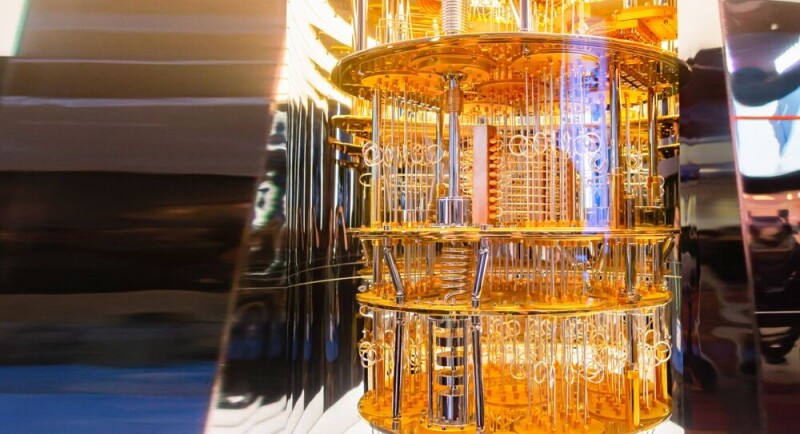
The United States Department of Energy is actively pursuing the development of a fault-tolerant quantum computer, aiming to achieve this goal by 2028 with limited initial funding. The program, known as Quantum Genesis Q, intends to produce a first-generation fault-tolerant, scientifically relevant quantum computer within the specified timeframe.
If this ambitious objective seems unattainable, it becomes even more challenging when considering the significant research grants the Department anticipates awarding, up to $215 million, contingent on congressional appropriations and tied to milestones. Up to ten awardees will be selected, each eligible for up to $1.5 million during the initial phase of the competition.
However, only $250,000 of that initial funding will be released upfront, held in reserve until awardees deliver a validated prototype approximately a year into the contest. Successful completion of this phase will grant participants access to a $100 million incentive pool to build the first-generation SRQC by fall 2028. The Department defines success with a prototype requiring at least 10 logical qubits capable of performing 10³ hard operations, while the first-generation SRQC target rises to 100 logical qubits performing 10⁵ hard operations with fault tolerance.
While physical qubit systems with over 6,100 have been demonstrated, such as those by Caltech, the Department's focus is on logical qubits, which are more resilient to errors caused by environmental factors. Some companies, like QuEra, have made progress in this area, with QuEra's Libra system projected to deliver more than 256 logical qubits and a logical error rate of 10⁻⁶, positioning it near the Department's target benchmarks.
Despite the far-reaching goals, the Department acknowledges the challenge and cautions against expecting an immediate breakthrough, emphasizing that setting such an ambitious deadline does not guarantee commercial viability.
Written by urgent.news from The Register's reporting — not their text. Machine-written — may contain errors; check the original before relying on it.
Also reported by 1 other outlet
- DoE seeking fault-tolerant quantum computer ... by 2028 theregister.com