Da Nang establishes four dedicated airspaces for drone operations
Da Nang City has established four designated airspace zones for drone operations, paving the way for drone delivery trials and the development of the low-altitude economy while strengthening oversight of flight safety and security.
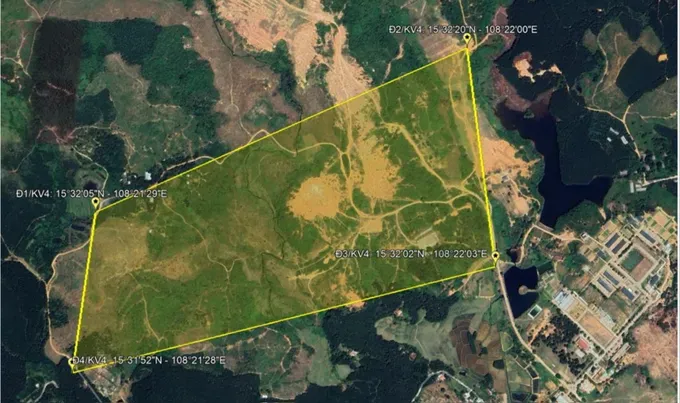
Da Nang City has created four specific zones for drone flights, opening doors to drone delivery tests and the growth of a low-altitude economy while improving safety and security monitoring. The city has officially marked four zones for organizations, groups, and clubs using unmanned aerial vehicles (UAVs). This plan sets the stage for commercial drone delivery tests and supports the growth of the city's low-altitude economy.
On September 16, the Da Nang People’s Committee approved Decision No. 4167/QD-UBND, signed by Vice Chairman Ho Ky Minh, designating zones for UAV-owning or operating entities. These zones, marked by WGS-84 coordinates, stretch from the central coastline to the southern end of Da Nang. Zone 1 lines the coast from Thuan Phuoc Bridge to Furama Resort, encompassing Man Thai and My Khe beaches.
Zone 2 runs from Ngu Hanh Son to the Co Co River, near Hoi An, covering various resorts. Zone 3 is situated in Tam Ky, around the administrative center and residential areas. Zone 4 is in a mountainous region near Tien Phuoc and Chien Dan, with low population allowing for test flights. The Da Nang Military Command will manage implementation, coordinating with municipal police, local authorities, and the Department of Science and Technology to set boundaries, issue flight licenses, and ensure flight safety.
The municipal police will handle UAV registrations and security surveillance, collaborating with the Department of Science and Technology to check hardware specifications for data security. The Department of Construction will review building heights that may impact flights, while the Department of Industry and Trade will monitor the market.
The Department of Health will oversee health concerns, and the Department of Culture, Sports, and Tourism will coordinate sports and recreational activities involving drones, including search and rescue missions at tourist sites. Organizations using the zones must obtain permits, follow permit rules, and ensure air and ground safety.
The military command can temporarily halt flights in certain zones during national defense, security, or public order emergencies.
Written by urgent.news from SGGP English Edition's reporting — not their text. Machine-written — may contain errors; check the original before relying on it.