Crude Prices Fall as Saudi Arabia Seeks to Restore East-West Pipeline
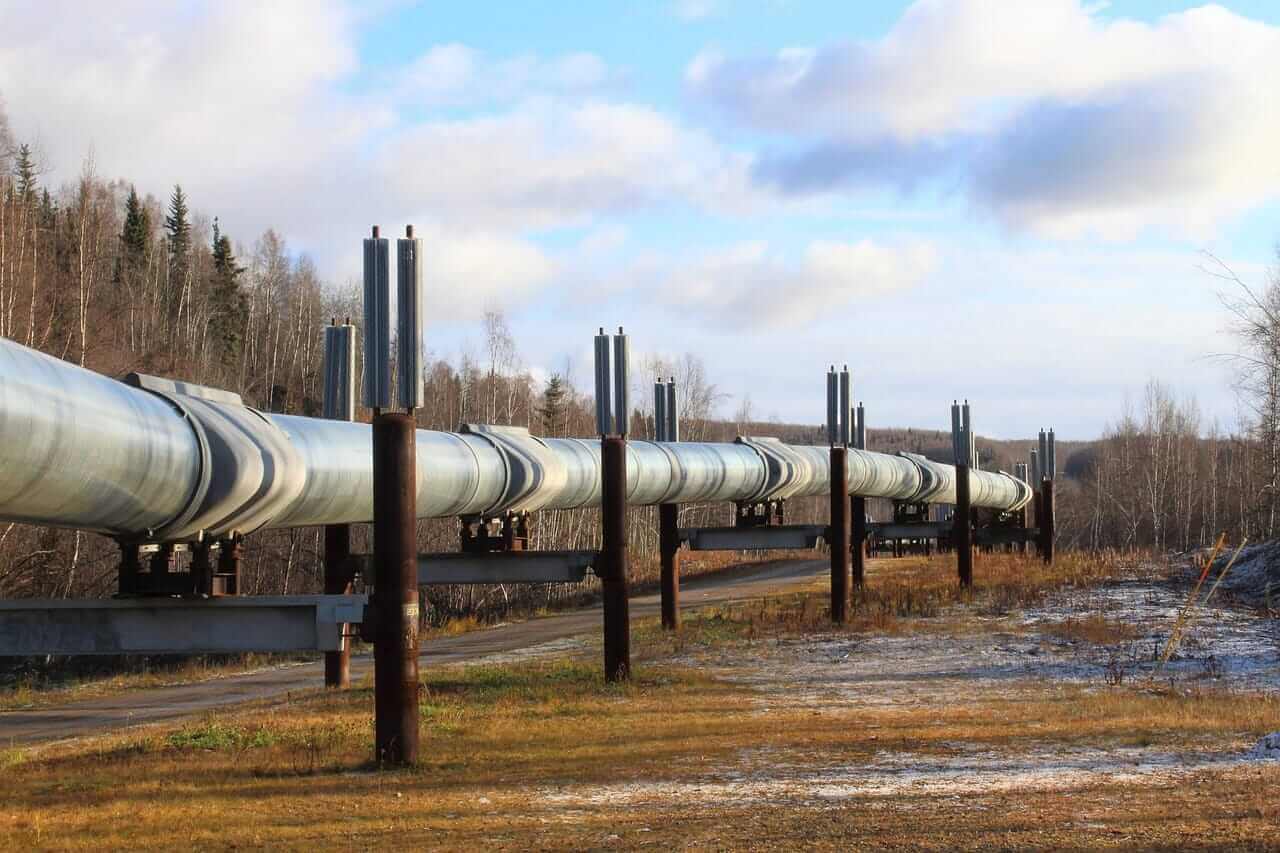
Crude oil and gasoline prices are experiencing a decline as Saudi Arabia aims to restore approximately half of the capacity of the East-West pipeline. This comes after a recent shutdown due to drone strikes in the Middle East, signaling a potential easing of supply disruptions and an increase in global oil supplies. The drop in crude prices is also influenced by the unexpected decrease in weekly EIA crude inventories and the rise in gasoline and distillate supplies.
The East-West pipeline, which transports 7 million barrels per day (bpd) of crude oil, was closed last Friday as a precautionary measure following attacks by Houthi rebels. Saudi Aramco indicated that oil deliveries to some European customers will be delayed due to the pipeline closure. The pipeline moves oil from the Persian Gulf to the Red Sea for loading onto tankers.
Saudi Arabia's crude production in August fell to 6.238 million bpd, the lowest since 1990, while the Houthi rebels have been capturing territory along the Red Sea in Yemen, increasing concerns about tighter oil supplies from the Middle East. The closure of the Strait of Hormuz has prompted Saudi Arabia to export most of its oil through the Red Sea, although ongoing tensions with the Houthis have disrupted this route.
Israeli Defense Minister Katz recently suggested that an Iranian attack on Israel could allow Israel to bypass existing restrictions, raising the possibility of a prolonged Middle East conflict. Meanwhile, Israel has carried out attacks on Iran-backed Hezbollah in Lebanon and Hamas in Gaza, further complicating the situation. The Yemen-based Houthis have also attacked ships in the Red Sea.
The International Energy Agency (IEA) has warned that high oil prices and restricted supply could lead to the largest drop in global oil demand this year since the Covid-19 pandemic. Despite the projected demand decrease, the IEA has raised its estimate for this year's global oil deficit to 1.7 million bpd from the previous 1.3 million bpd estimate due to restricted supply caused by the US-Iran war. The IEA now expects the return of a global oil surplus to be delayed until 2027.
OPEC delegates approved an increase of +188,000 bpd in crude production for September, restoring all 1.65 million bpd of the 2023 production cutback. However, achieving these production increases may prove challenging amid persistent US-Iran military attacks in the region. US crude oil inventories as of September 11 were slightly above the seasonal 5-year average, while gasoline and distillate inventories were below the 5-year average.
Written by urgent.news from Yahoo Finance's reporting — not their text. Machine-written — may contain errors; check the original before relying on it.