Craniofacial suture complexity and digging mode importance in rodents
The morphology of cranial sutures (i.e., joints that connect the bones of the skull, are sites of growth, and absorb biomechanical stresses) is highly variable, especially in mammals. Exposure to different strain regimes as a result of development, function, and ecology can drive disparity in suture complexity at both the individual and taxonomic levels. Although the relationships between diet,…
The morphology of cranial sutures in mammals, which are joints connecting skull bones, are sites of growth and absorb biomechanical stresses, varies significantly. Environmental factors such as development, function, and ecology can lead to differences in suture complexity at both the individual and taxonomic levels. While the connections between diet, muscle mass, static loading, and certain behaviors like headbutting and their influence on suture morphology are well-studied, the impact of fossoriality, particularly the use of the craniodental apparatus during substrate excavation, is less understood.
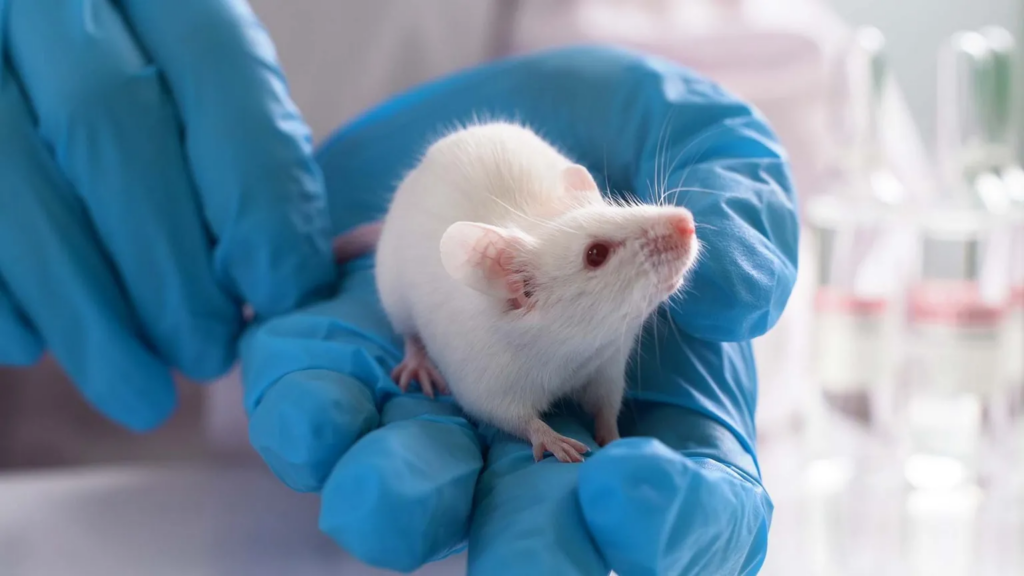
To address this knowledge gap, researchers have analyzed data from 107 rodent species using an ordinal ranking scheme for digging mode importance. They examined the premaxillofrontal and nasofrontal suture complexity using sinuosity index, power spectrum density, and spectral entropy, the latter being a novel metric. The study utilized Bayesian multilevel models to investigate the relationship between fossoriality and suture phenotype at the suborder level and higher, with the aim of predicting digging mode usage in 11 cryptic extant species.
The findings indicate that most fossorial rodents employ multiple digging modes, each often varying in importance. The research reveals that chisel-tooth digging tends to be associated with reduced nasofrontal suture complexity across multiple suborders, while scratch digging is linked to elevated complexity in the premaxillofrontal suture.
Interestingly, suture complexity does not accurately reflect head-lift digging importance. Overall, this study demonstrates that fossorial function is a complex, multivariate trait, providing new insights into the functional morphology of cranial sutures across the most diverse mammalian order.
Written by urgent.news from bioRxiv's reporting — not their text. Machine-written — may contain errors; check the original before relying on it.