Commentary: Malaysia needs to restore foreign investors’ trust amid EV, data centre policy uncertainty
Malaysia's ability to attract foreign direct investment remains robust but the quality of the foreign capital could be compromised if domestic politics trump commercial logic, writes CNA’s Leslie Lopez.
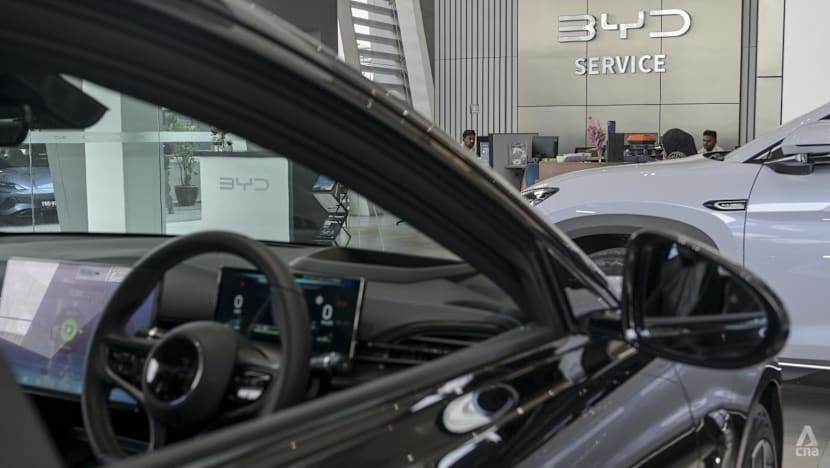
Malaysia has proven capable of attracting foreign direct investment (FDI), but its quality could suffer if domestic politics override commercial logic, warns CNA's Leslie Lopez. In 2024, Southeast Asian investors poured billions into Malaysia, with tech giants like Google, Microsoft, Amazon, and ByteDance committing large sums for data centers and electric vehicles (EVs).
Approved FDI reached a record RM207 billion (US$50.5 billion), and the Anwar Ibrahim administration touted Malaysia as open for business. However, in December 2025, the government scrapped tax exemptions on EV imports after four years and introduced new restrictions that effectively blocked affordable imported EVs. At the same time, the government expressed doubts about its incentives for data center projects.
These policy changes have not significantly affected the overall investment numbers, which stood at RM218.5 billion in the first half of 2026, with foreign investors contributing RM126.9 billion, or about 58%. Despite the continued influx of capital, inconsistencies in policy signal to investors that Malaysia's industrial strategy lacks consistency, potentially increasing its risk premium and discouraging long-term, deeply integrated investments.
Written by urgent.news from Channel News Asia's reporting — not their text. Machine-written — may contain errors; check the original before relying on it.