CNA Explains: Why is the Fed raising interest rates again - and what does it mean for Asia?
The US Federal Reserve has raised interest rates by 25 basis points as it battles stubborn inflation, with more hikes potentially on the way.
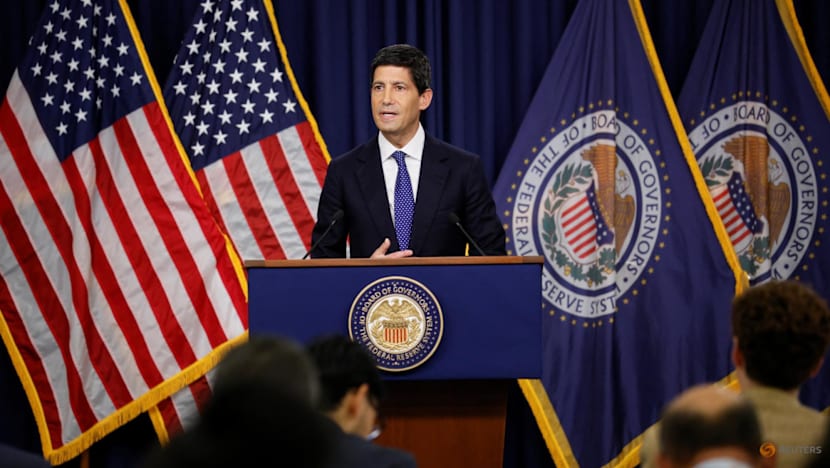
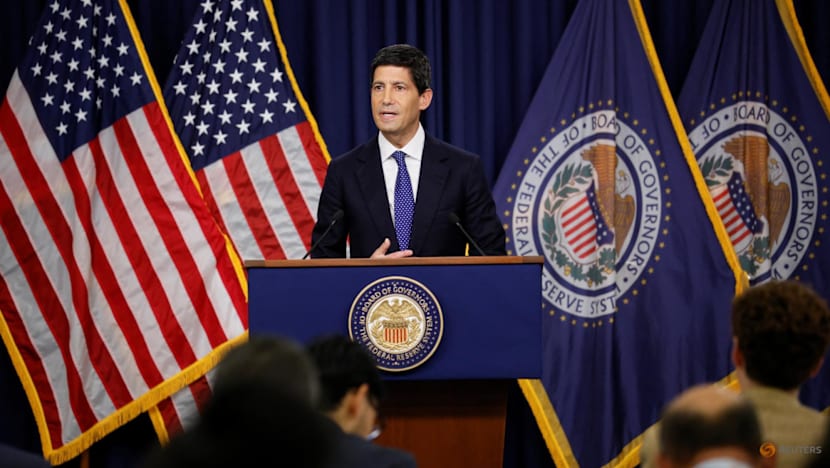
The US Federal Reserve raised interest rates by 25 basis points on September 16, 2023, as it continues to combat persistent inflation. This was the first increase in the federal funds rate since 2023. The decision came after the Federal Open Market Committee (FOMC) voted unanimously, despite early expectations for a quarter-point hike only.
Analysts are divided on whether this marks the start of a new series of rate hikes. The Fed's aim is to bring inflation down to a 2% target over the long run, measured by the personal consumption expenditures price index. However, inflation has remained well above this target for more than five years now. Recent data, such as the August Consumer Price Index, which came in at 3.4%, has further reinforced concerns.
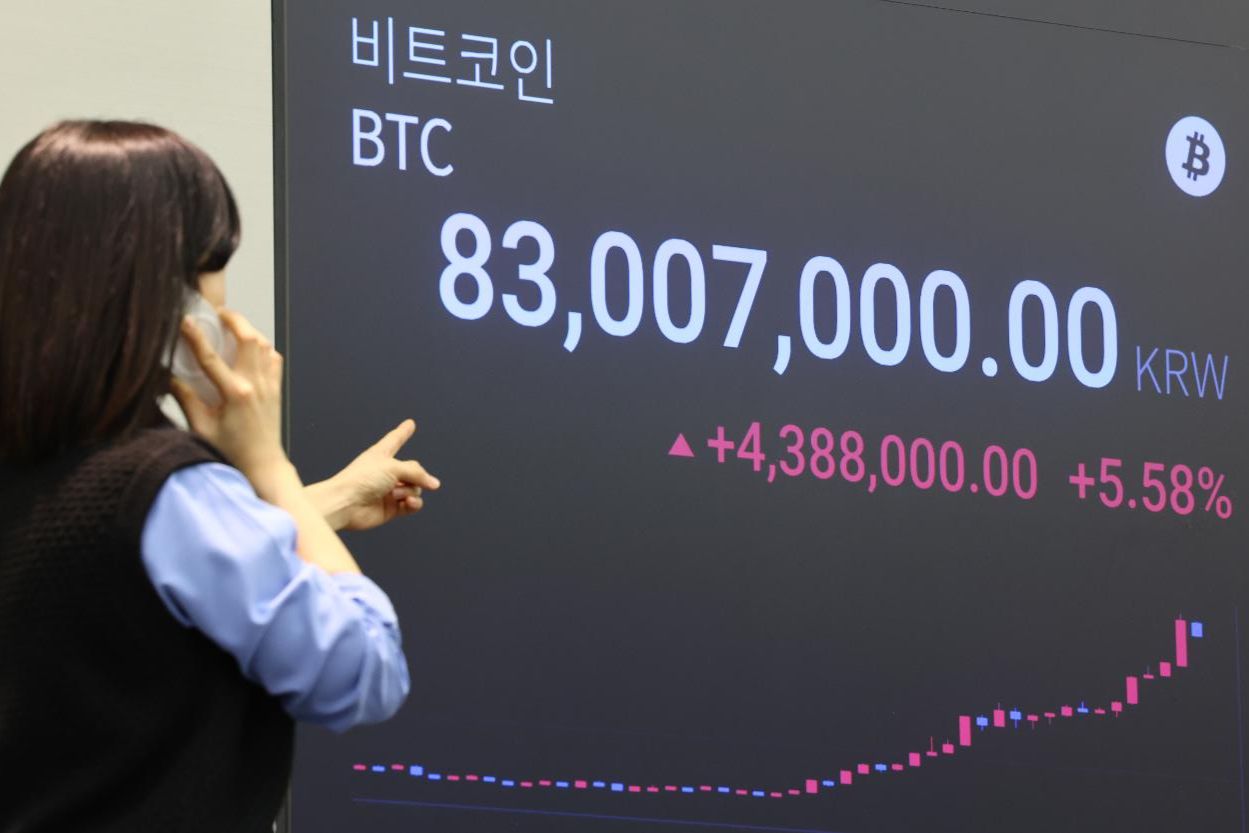
The decision to raise rates carries implications beyond the United States. Higher US interest rates can strengthen the dollar, affect Asian currencies and financial markets, and influence decisions made by central banks in the region. The Fed's move represents a significant shift from earlier expectations, with policymakers now anticipating further interest rate hikes.
Written by urgent.news from CNA - Business's reporting — not their text. Machine-written — may contain errors; check the original before relying on it.
This story
This is one outlet's version. Read the fullest account.