Climate-vulnerable countries spend 25 times more on debt than on climate action, report finds
By: Jennifer Nerkie Kenney The world’s most climate-vulnerable countries are spending nearly 25 times more on debt repayments than on climate action, according to a new report by ActionAid released on September 16 in the run-up to the Global Week of Climate Action. The report, titled ‘Debt fuels the Climate Crisis: How the Finance Flows’, […]
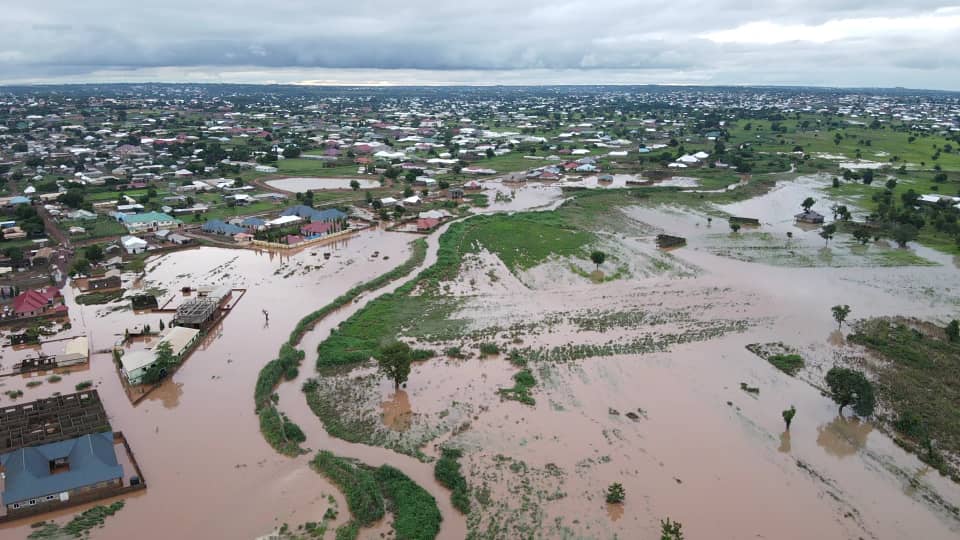
A new report from ActionAid reveals that climate-vulnerable countries are spending nearly 25 times more on debt repayments than on climate action efforts. According to the report, titled "Debt fuels the Climate Crisis: How the Finance Flows," debt servicing consumes 65% of the combined government revenue of these nations, leaving limited funds for disaster preparedness and response.
In 2026, the Global South is projected to spend 225 times more on debt repayments compared to the 39 billion US dollars received in climate grants in 2024. Eighty-three percent of the most climate-vulnerable countries are grappling with debt distress. If the debt of these vulnerable countries were canceled, it could fund their national climate plans six times over or cover their combined spending on climate, health, education, and social protection twice over.
ActionAid's Secretary-General, Arthur Larok, emphasizes that the debt and climate crises are inextricably linked and that resolving one can significantly address the other. The report highlights a cycle where climate disasters force countries to borrow for recovery, but the debt repayments and austerity measures further reduce spending on resilience and public services.
This cycle often pushes governments to expand fossil fuel extraction and industrial agriculture, exacerbating emissions and climate impacts. Teresa Anderson, a report co-author, advocates for a shift in climate finance delivery, suggesting that unjust and unsustainable debt be canceled, and climate finance should be provided as grants instead of loans.
The report cites Senegal as an example, where debt servicing consumes over 96% of government revenue, consuming more than 600 times the budgeted spending on climate action. This diverts resources away from essential climate solutions, disproportionately affecting women and girls, who are already bearing the brunt of climate impacts.
Activists and advocates, including young climate activists from Zambia and Ghana, call for urgent action to address the interconnected debt and climate crises, demanding debt cancellation, a fossil-free future, and grant-based climate financing.
Written by urgent.news from GBC Ghana's reporting — not their text. Machine-written — may contain errors; check the original before relying on it.